


























































































































































































































































































































































































































































































































































































































































































































































































































Friday, 09 October 2026
Beneath the glittering waves of the Mediterranean, off the shores of Alexandria, Egypt is quietly unveiling a new chapter of its ancient story—one that has slept, untouched and unseen, for centuries.
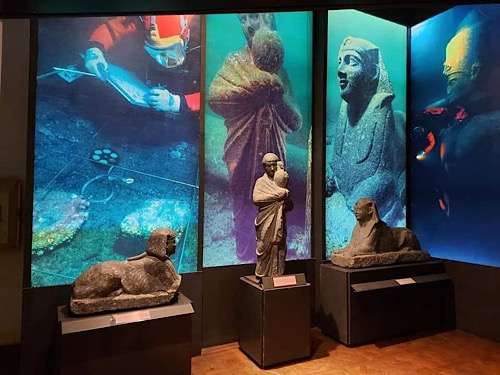
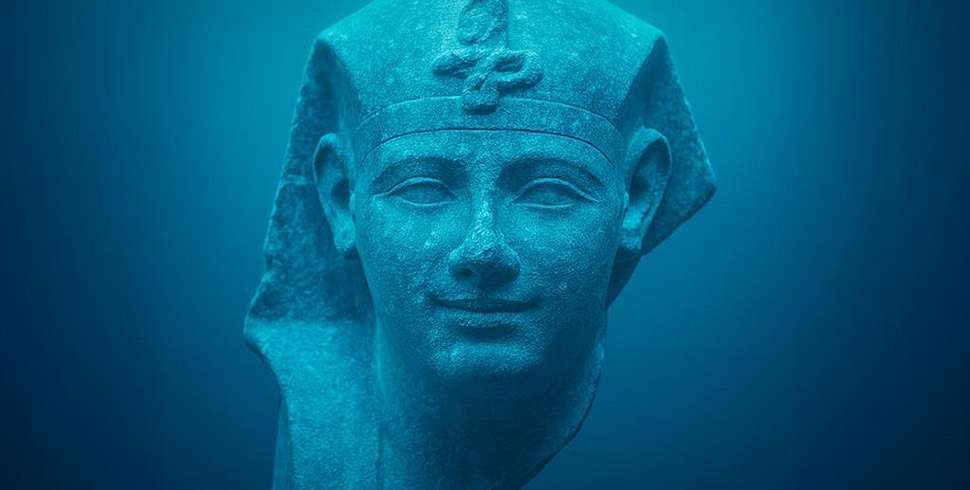
Recent archaeological dives have transformed the famed city from an open-air monument to the world’s greatest civilizations into a submerged museum, where entire cities, grand temples, and colossal statues rest beneath the sea.
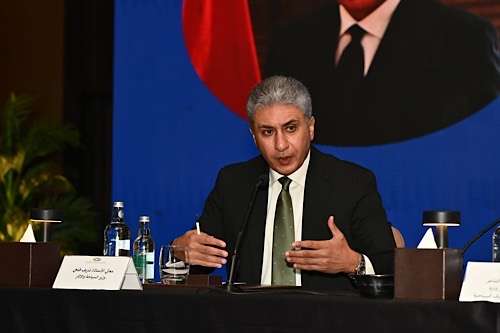
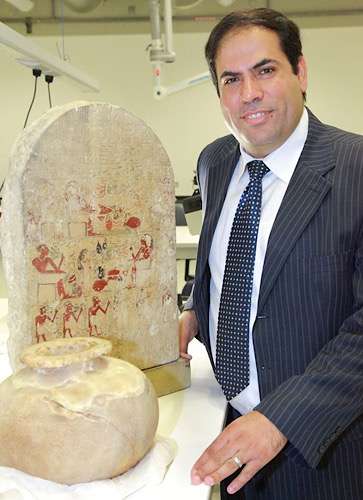
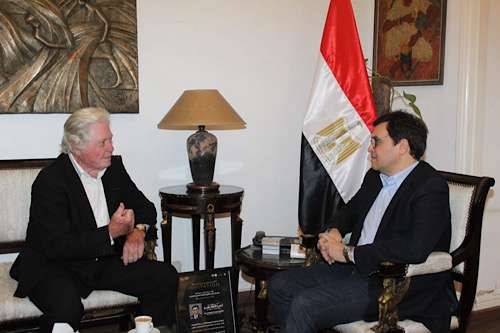
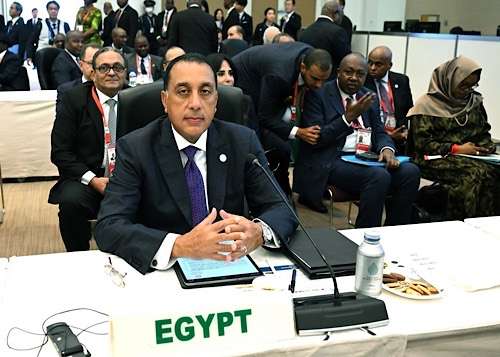
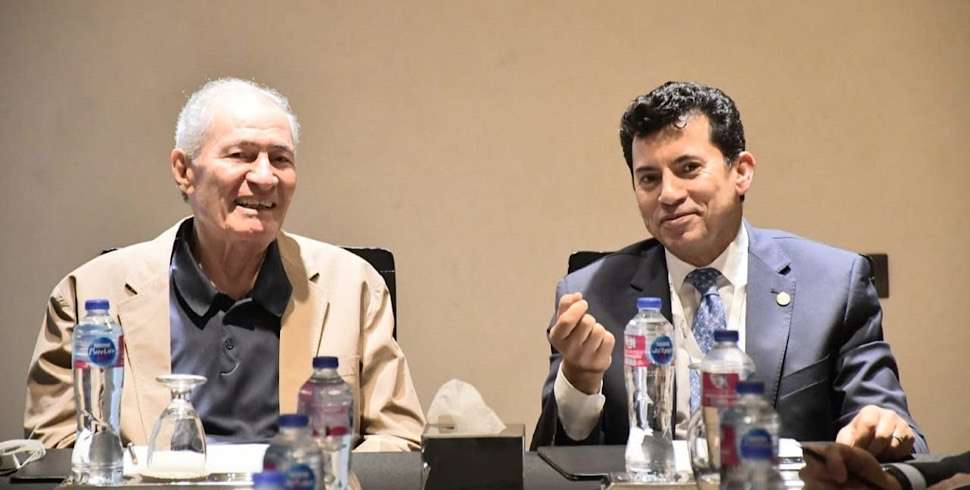
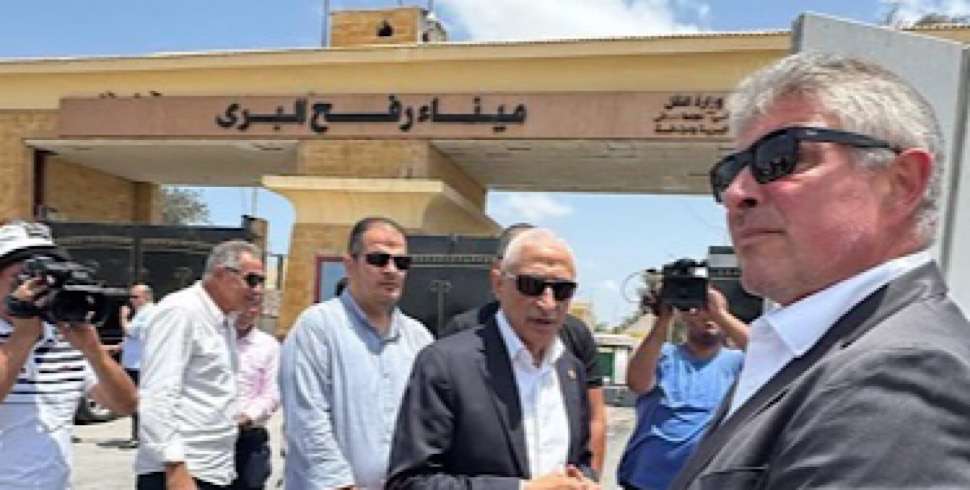
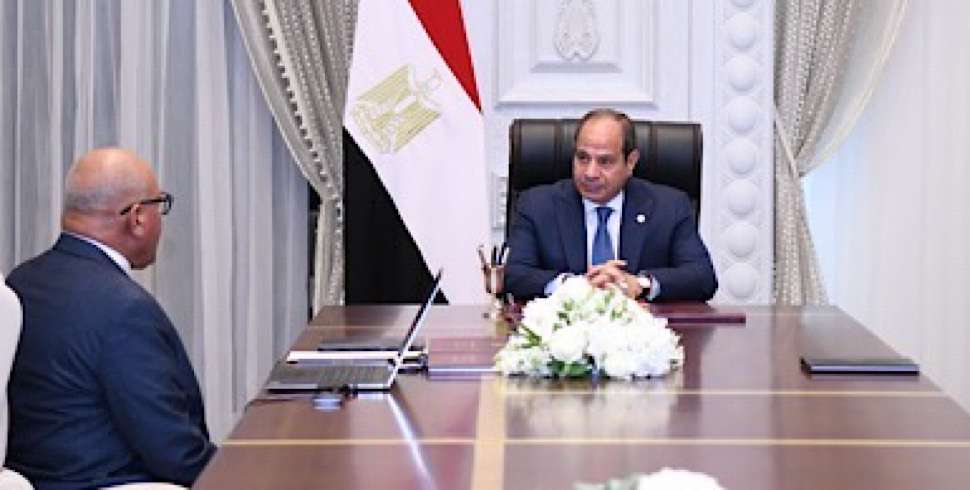
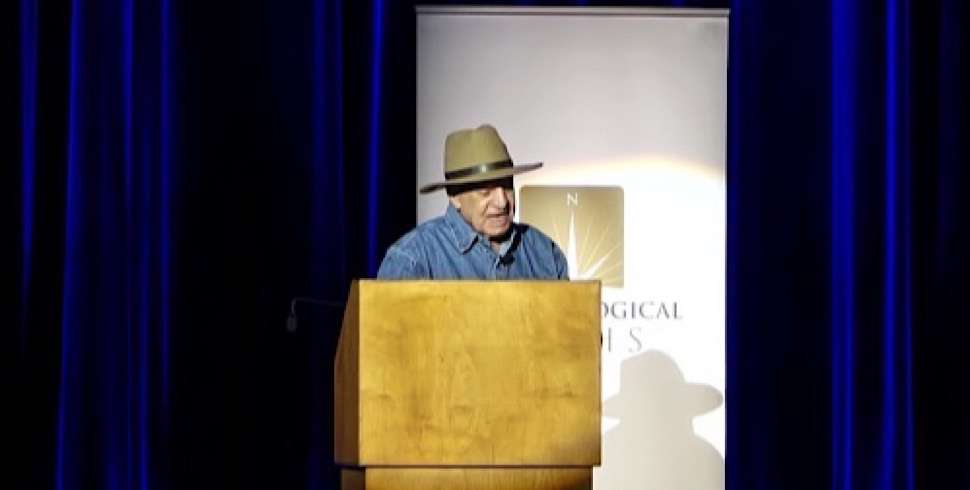
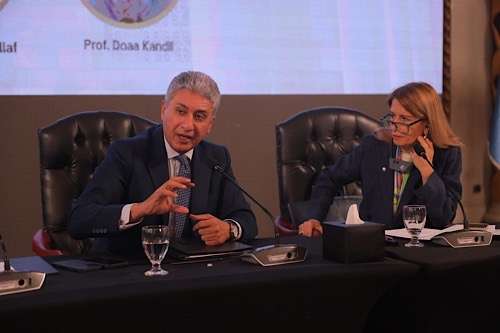
Dr. Mostafa Waziry, former Secretary-General of Egypt’s Supreme Council of Antiquities, describes these findings as a “game changer” for both Egypt’s tourism and heritage.
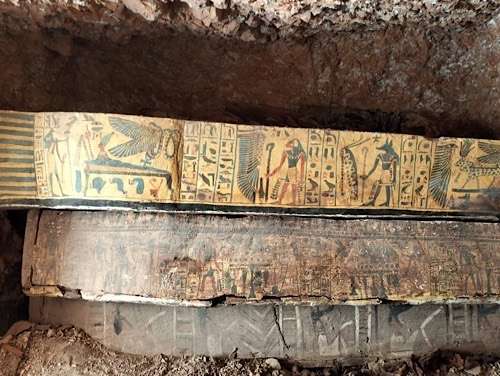
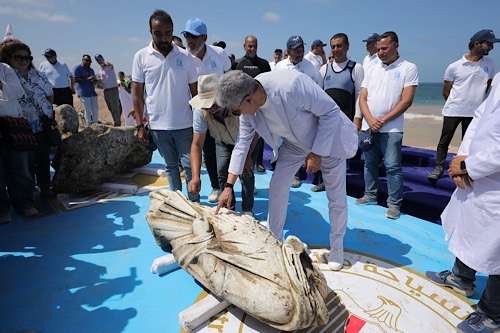
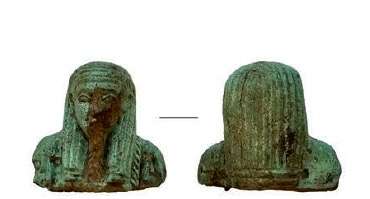
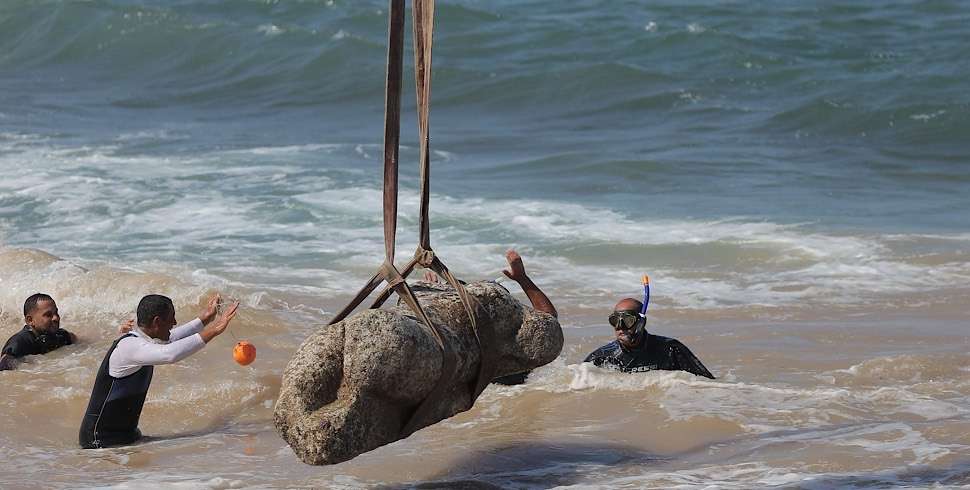
In a series of recent expeditions off the coast of Abu Qir, archaeologists have recovered five remarkable artifacts from the Mediterranean’s depths.
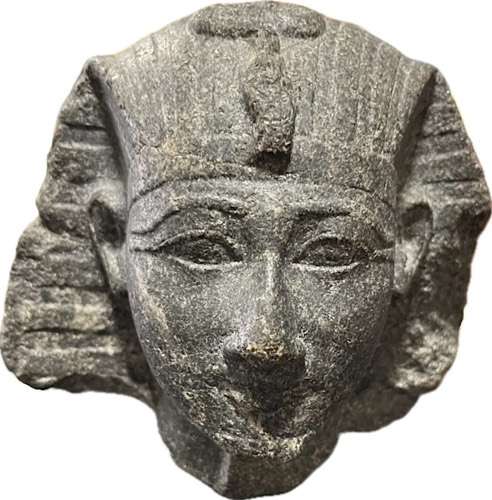
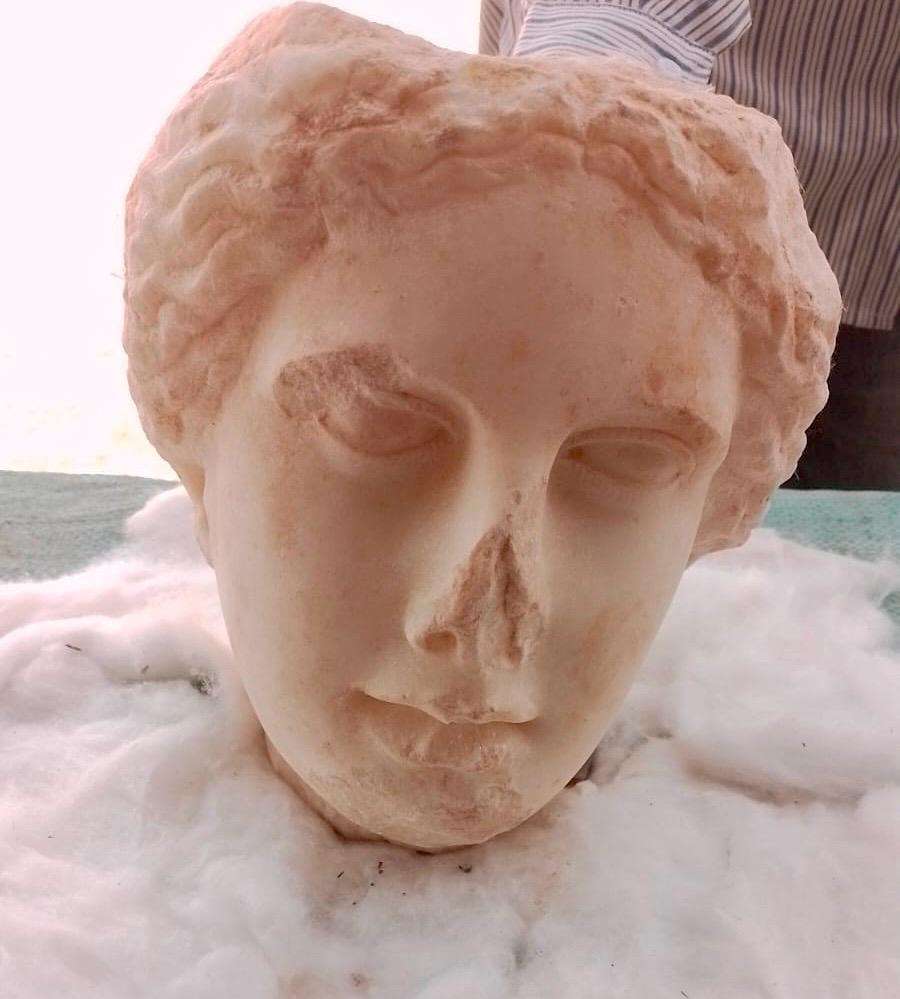
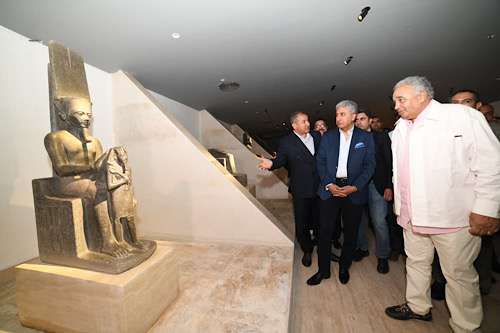
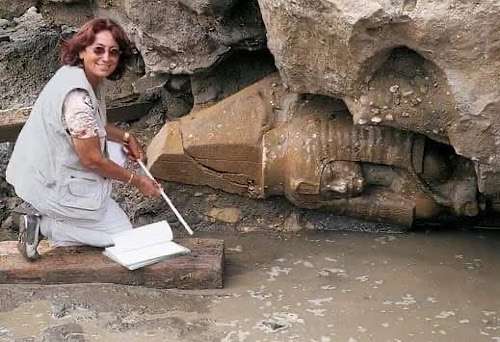
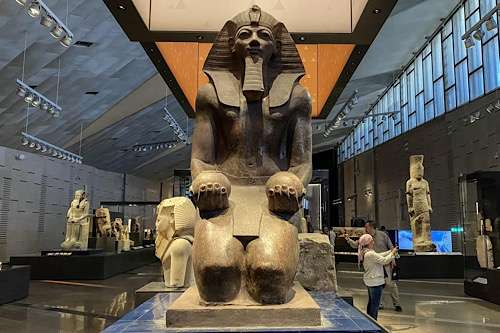
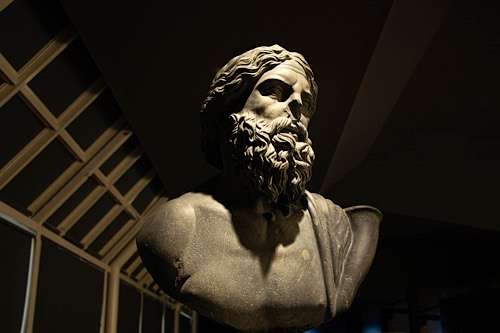
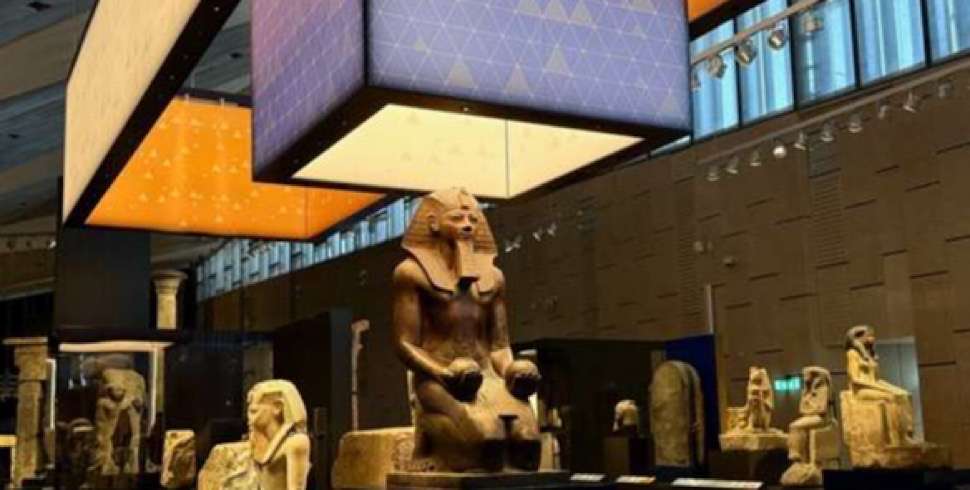
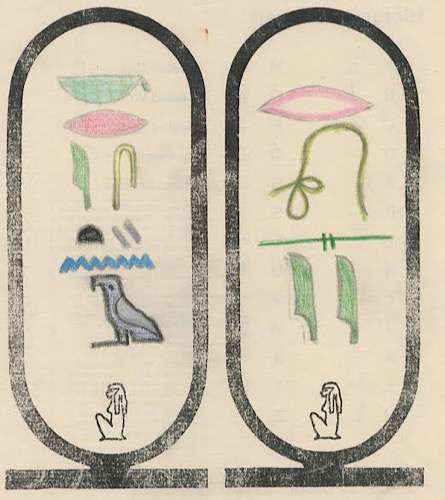
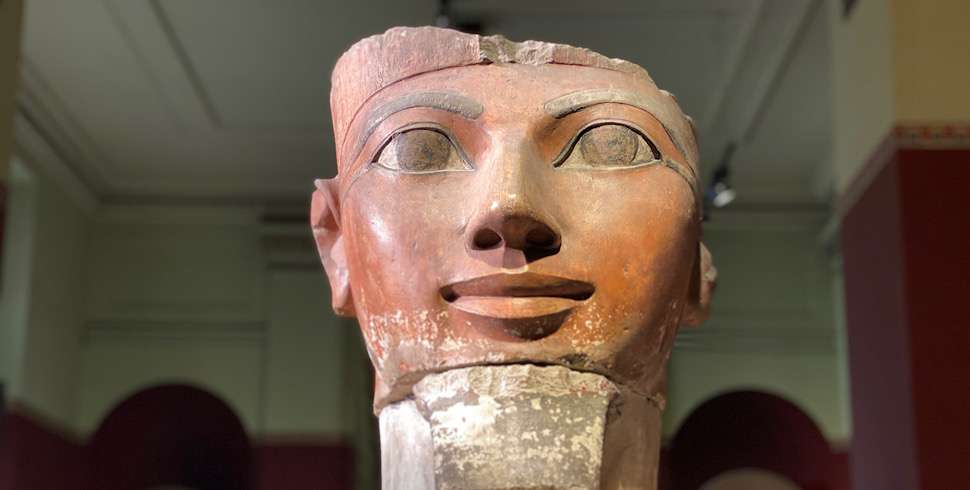
Among them: a magnificent quartzite Sphinx bearing the royal cartouche of Pharaoh Ramses II, a granite statue from the Ptolemaic era, and a striking white marble portrait of a Roman nobleman—each telling a unique story of Egypt’s millennia-old blend of civilizations.
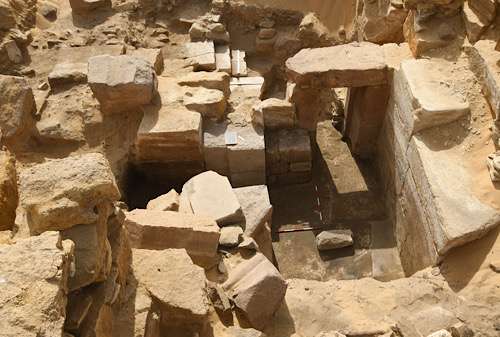
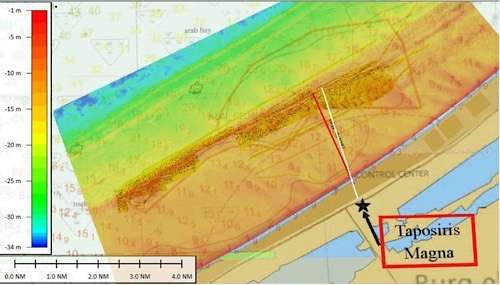
And these discoveries are only the beginning. Divers have mapped out the remnants of a Roman city—its houses, temples, cisterns, fish farms, and even ancient harbors frozen in time—as well as a merchant ship laden with ancient nuts, amphorae, and tools, offering a breathtaking window into how Alexandria once thrived as a global maritime hub.
Submerged archaeology in Alexandria began attracting global attention in the 1970s, when divers stumbled upon lost treasures off Egypt’s Mediterranean coast. Since then, under the direction of French underwater archaeologist Franck Goddio, teams have charted places such as Thonis-Heracleion and Canopus—great cities that now reside 7 kilometers off Abu Qir, hidden beneath layers of silt and mystery.
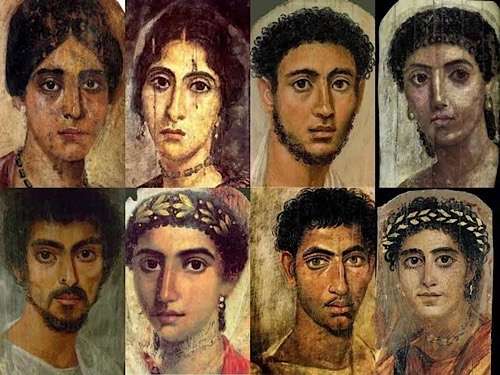
What sets Egypt’s underwater discoveries apart, Dr. Waziry says, is their remarkable diversity. These sunken sites are not simply Greek or Roman legacies, but truly cosmopolitan cities where Egyptian, Greek, and Roman cultures intertwined. Statues, inscriptions, and everyday objects reveal how ancient Egyptians lived side-by-side with newcomers from across the Mediterranean, transforming Alexandria into a melting pot of human creativity.
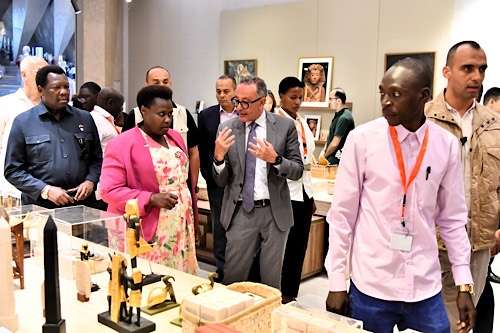
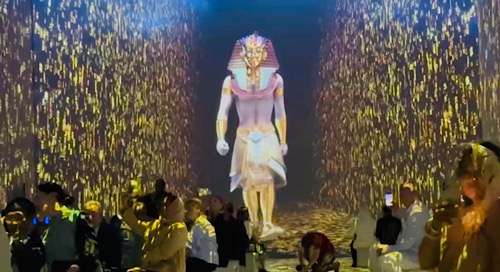
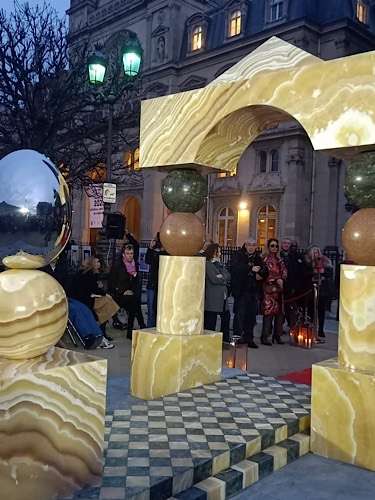
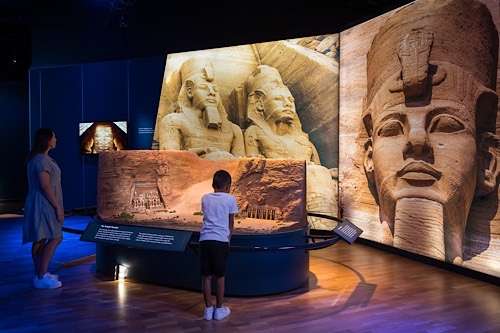
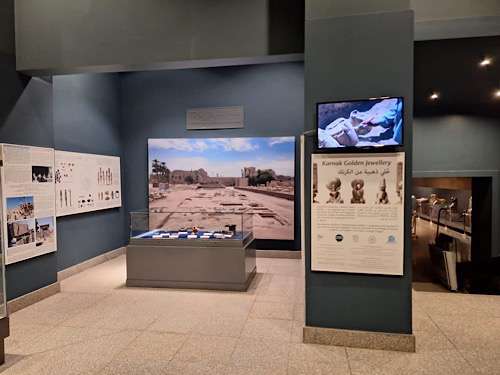
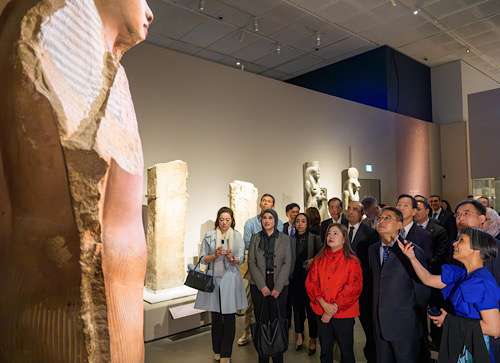
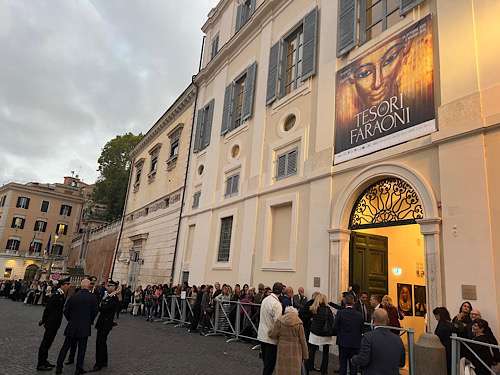
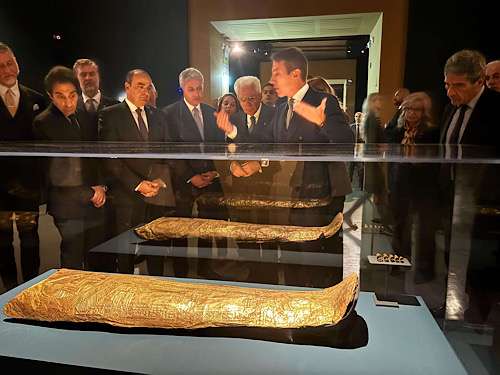
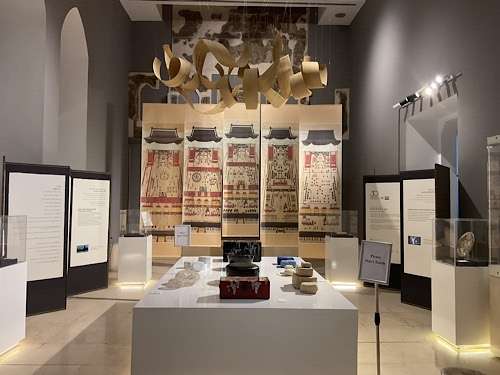
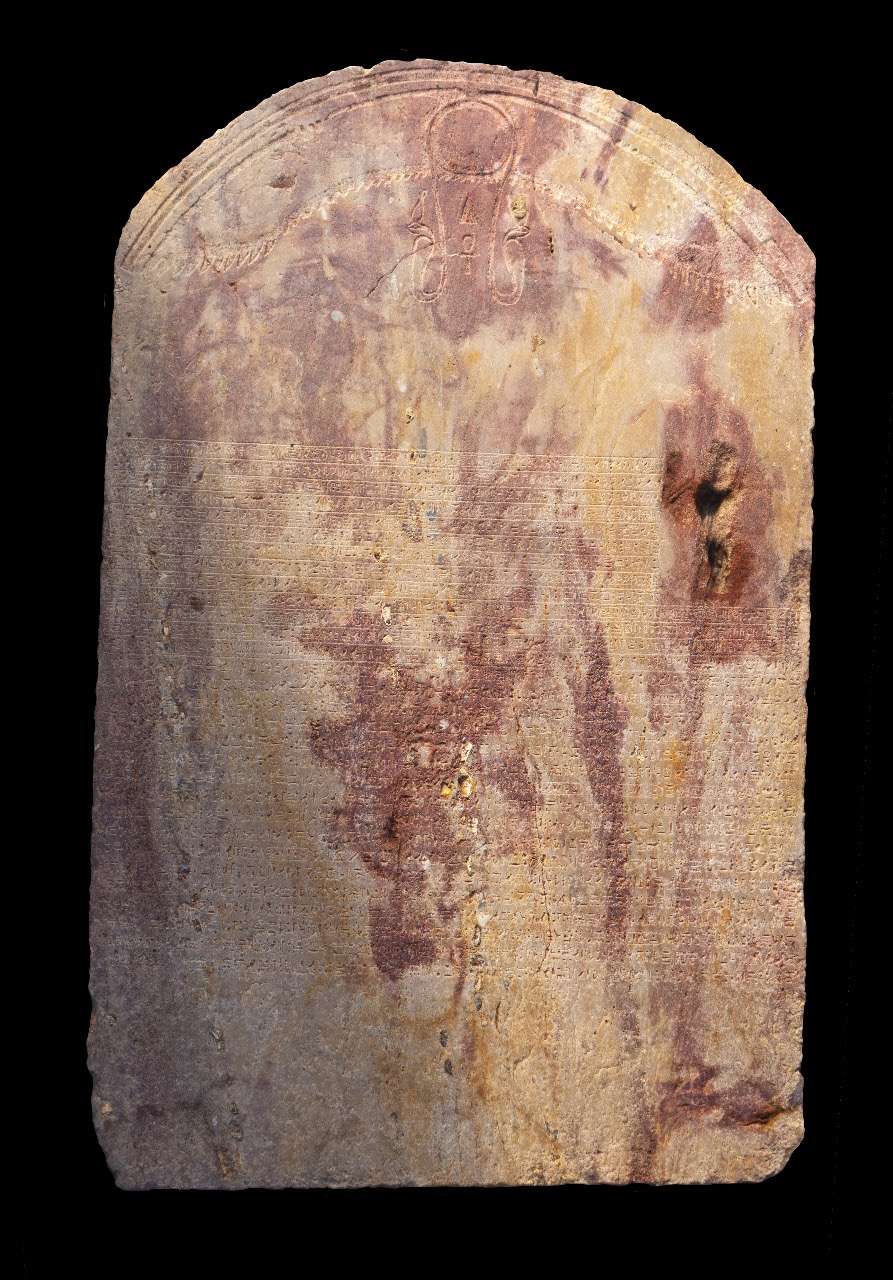
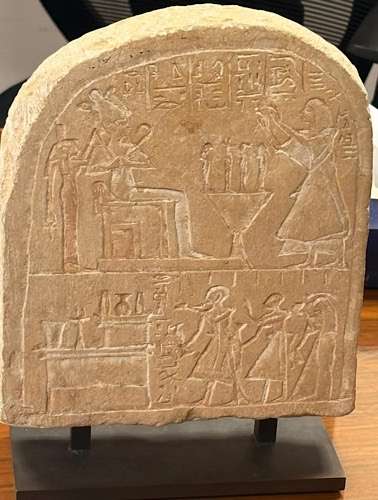
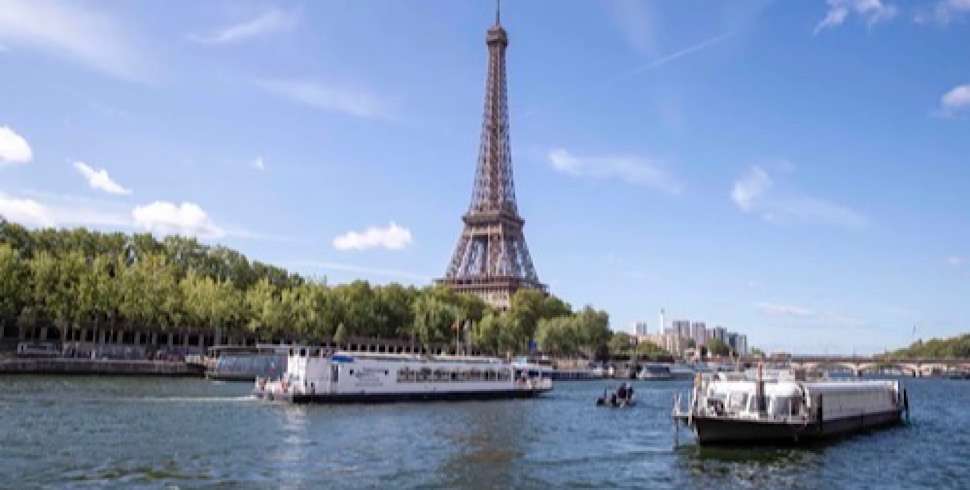
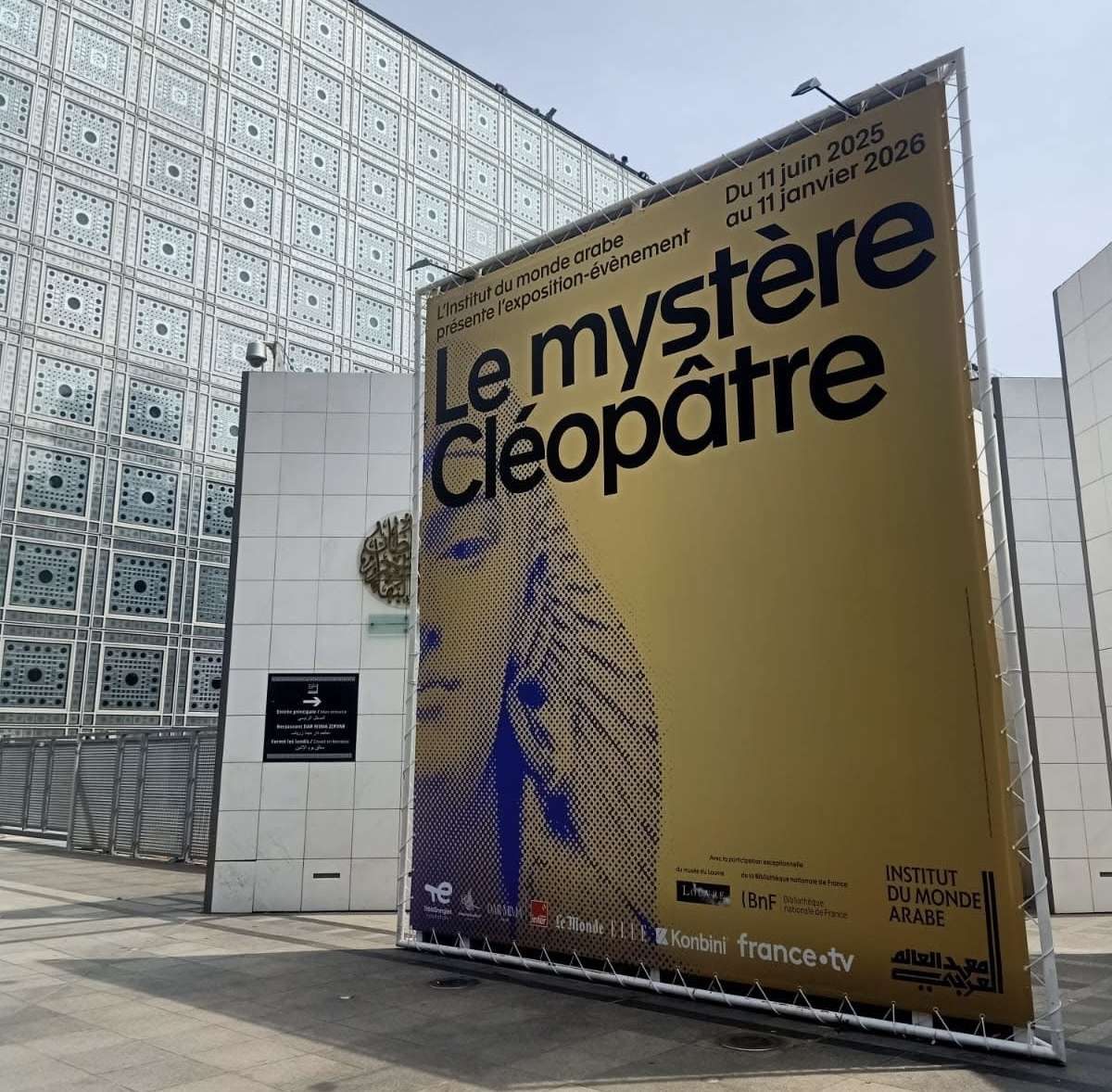
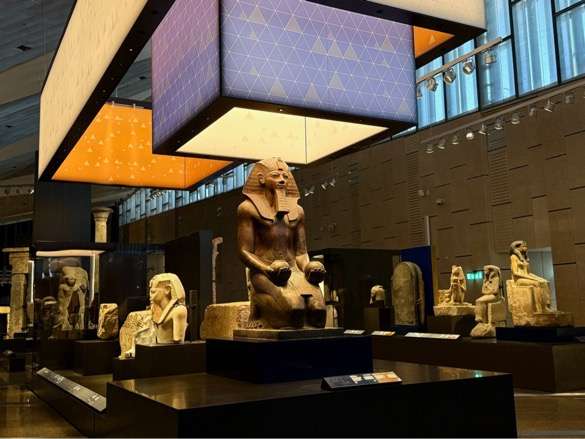
Eager to share these wonders, Egypt has launched international exhibitions that have captivated millions. The “Sunken Cities: Egypt’s Lost Worlds” tour began in 2015 in Paris, traveled to the British Museum, and circled through Zurich and three major American cities. Highlights include five-meter-tall pharaohs, intricate stelae inscribed in both Greek and ancient Egyptian, and treasures found nowhere else on earth.
These exhibitions do more than spotlight treasures; they invite visitors to contemplate the ebb and flow of history, and what lies beneath the surface of our known world. In the digital age, Egypt is also pioneering virtual experiences—like the “Atlas of Sunken Antiquities”—opening up these submerged civilizations to curious explorers everywhere.
Few countries can match Egypt’s legacy of submerged heritage. From Pharaonic times through the Ptolemaic and Roman eras, its sunken ports and cities stir the imagination, drawing adventurers, scholars, and travelers from every corner of the earth. International interest is surging—proving the world’s thirst for discovery is as deep as the Mediterranean itself.
Whether you are a lover of history, a seeker of adventure, or simply someone yearning for wonder, Alexandria’s underwater realms promise a story still unfolding—one where the majesty of ancient Egypt rises anew from the sea.