


























































































































































































































































































































































































































































































































































































































































































































































































































































































































Friday, 09 October 2026
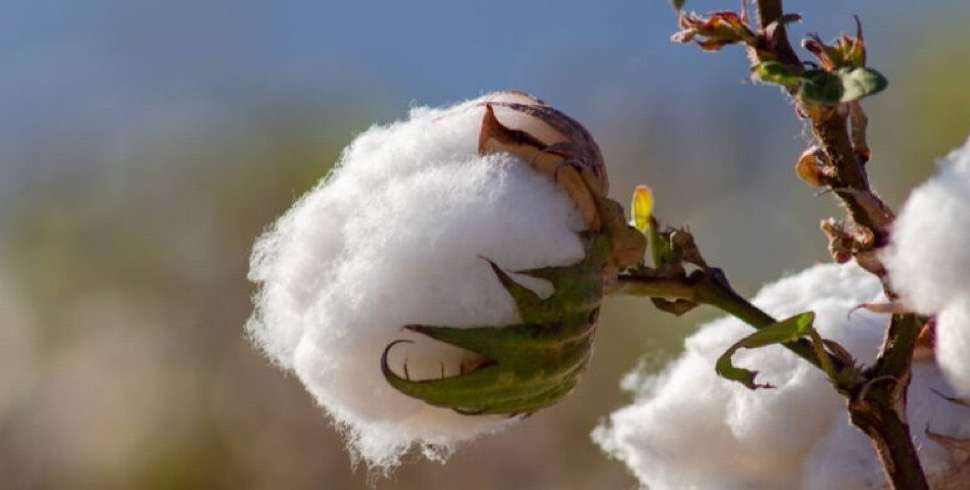
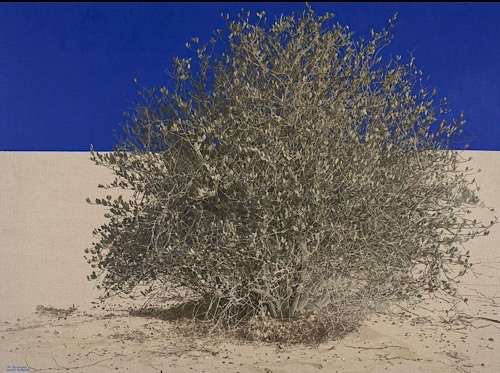
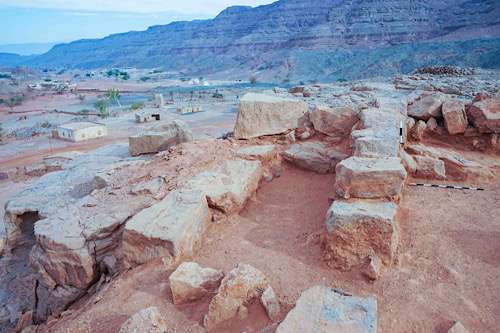
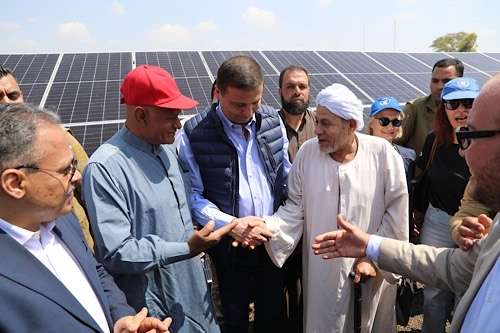
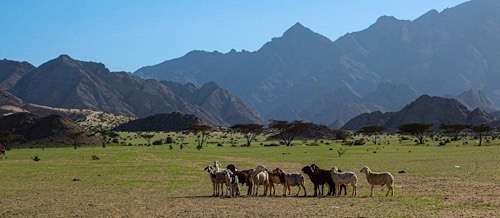
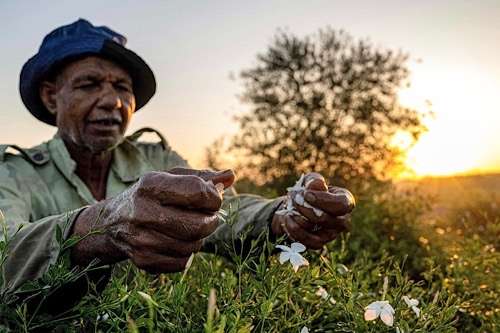
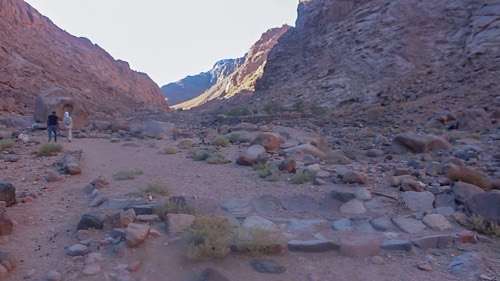
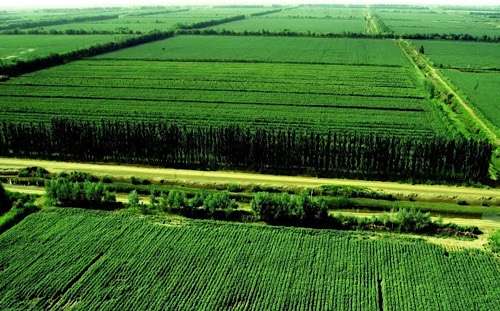
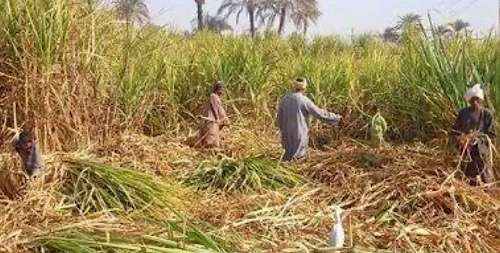
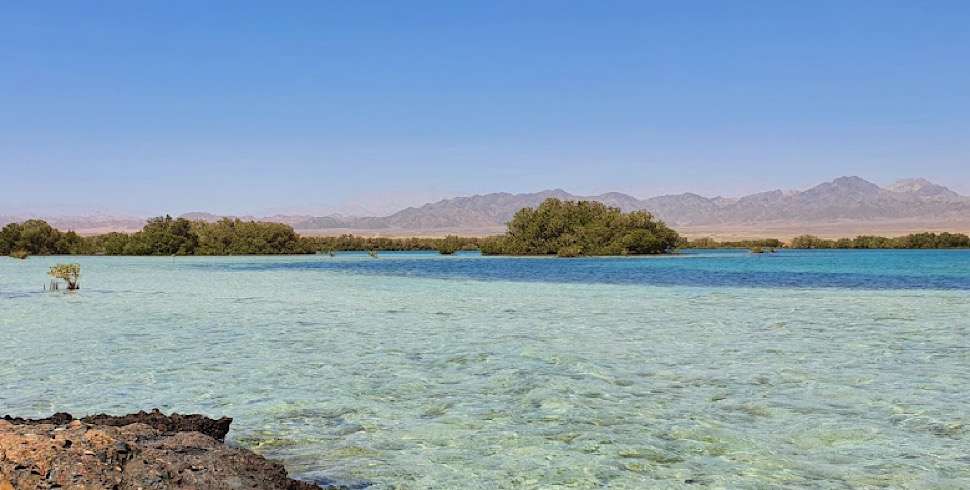
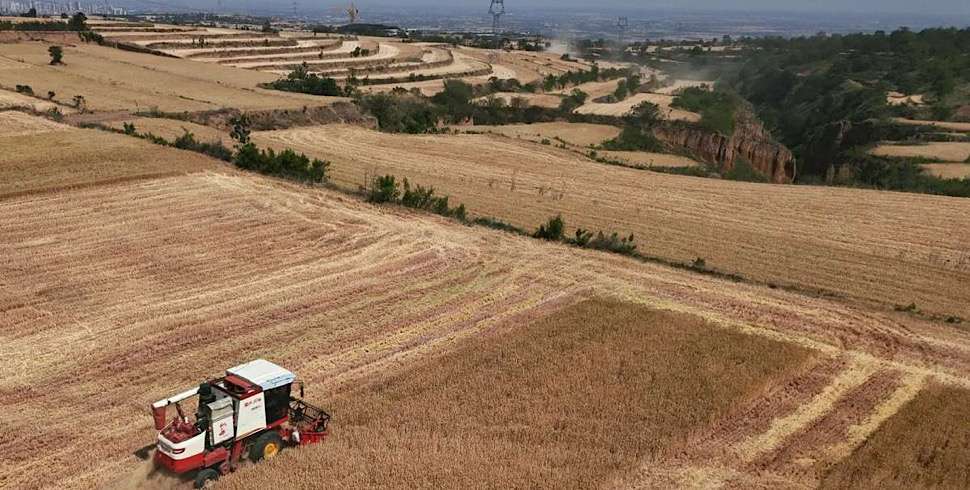
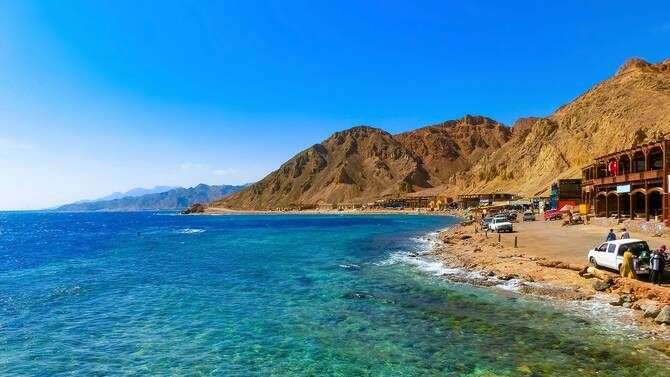
In the deserts of South Sinai, a quiet revolution is taking root. For the first time, Egyptian scientists have successfully grown cotton in the arid landscape of El-Tor, transforming barren terrain into a fertile frontier. This pioneering achievement, driven by cutting-edge research and innovative techniques, signals a bold new chapter for Egyptian agriculture, one that could redefine farming in desert regions worldwide.
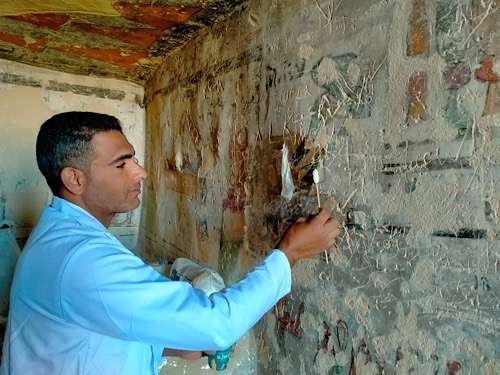
The breakthrough comes from the Agricultural Research Centre’s Cotton Research Institute, where scientists meticulously tested six genetic cotton varieties, including Super Giza 86, Super Giza 94, Super Giza 97, and three new strains. Remarkably, the first crop was harvested in just 127 days, thriving in South Sinai’s intense heat.
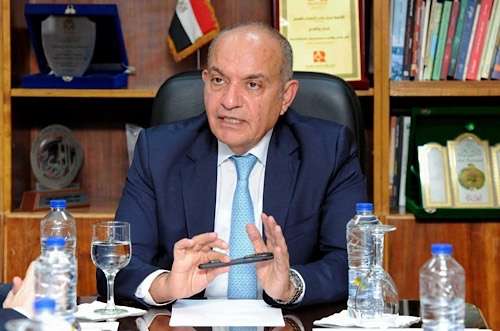
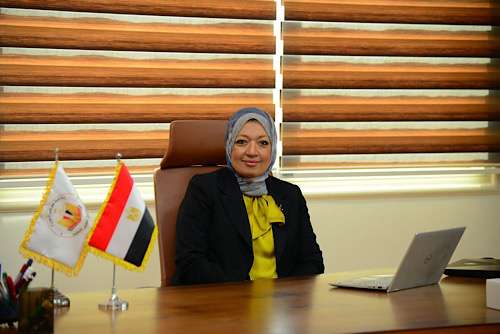
“This is a testament to our researchers’ ability to innovate under challenging conditions,” said Dr. Adel Abdelazim, head of the centre. The varieties were engineered to withstand drought, salinity, and high temperatures—key traits for adapting to climate change.
The project leans heavily on modern irrigation systems, like drip irrigation, which optimises Egypt’s scarce water resources.
According to a 2023 Food and Agriculture Organisation (FAO) report, Egypt’s water constraints make such efficiencies critical. By pairing these systems with tailored fertilisation, the team achieved high-quality cotton yields in an environment once deemed unsuitable for farming.
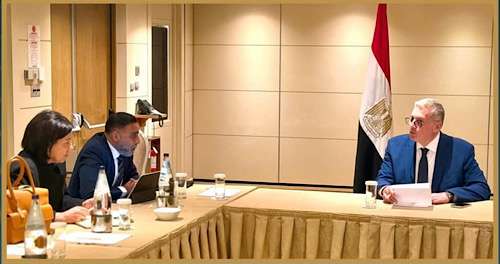
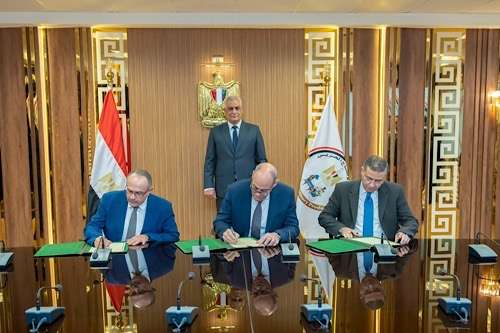
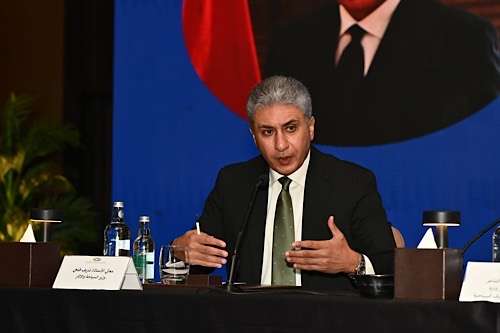
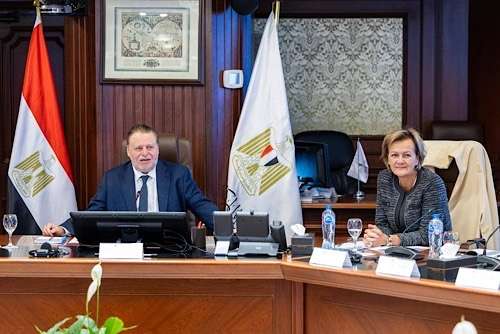
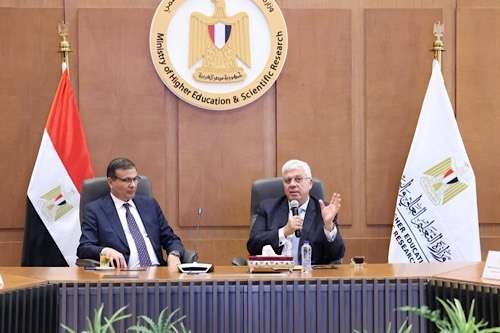
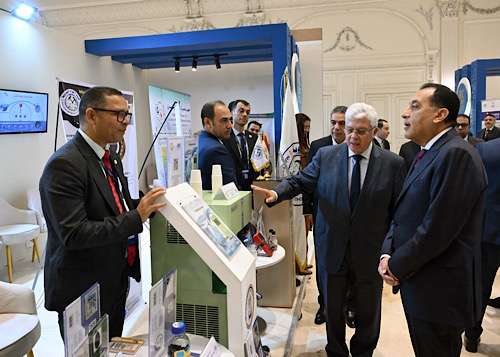
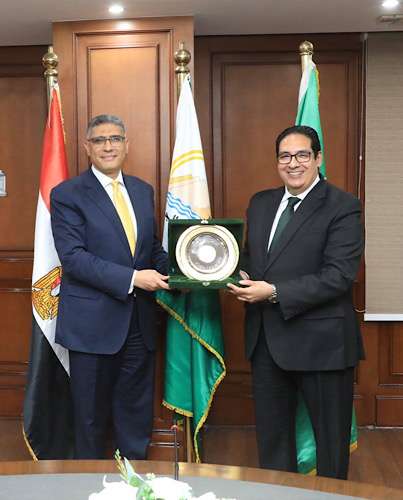
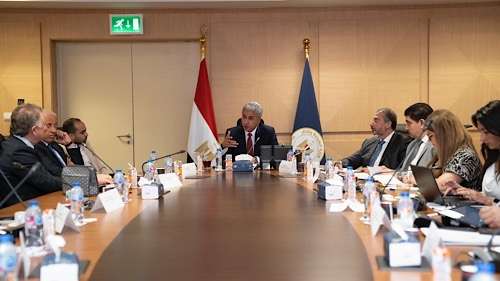
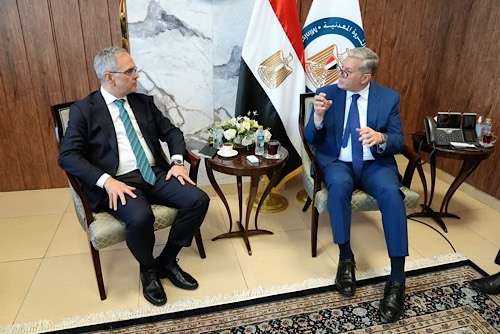
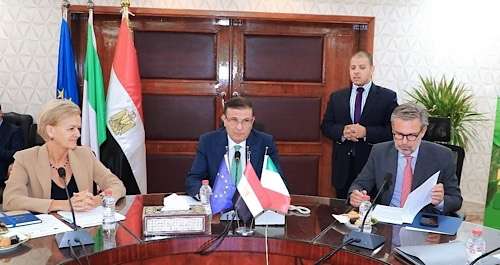
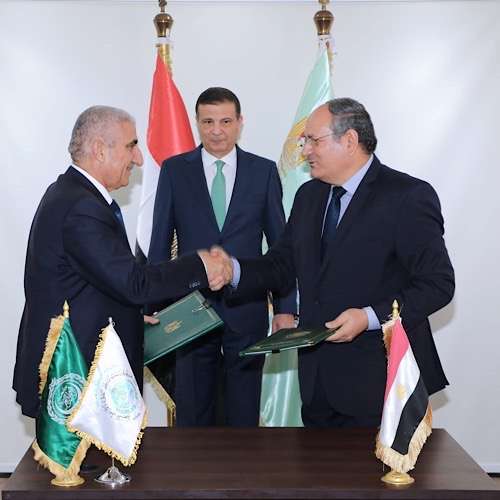
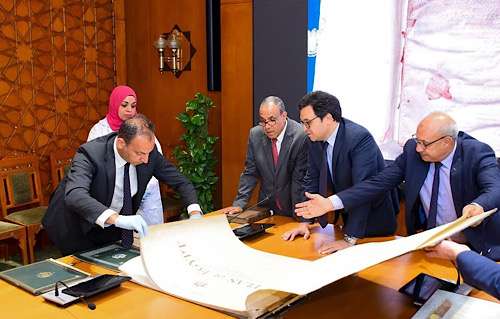
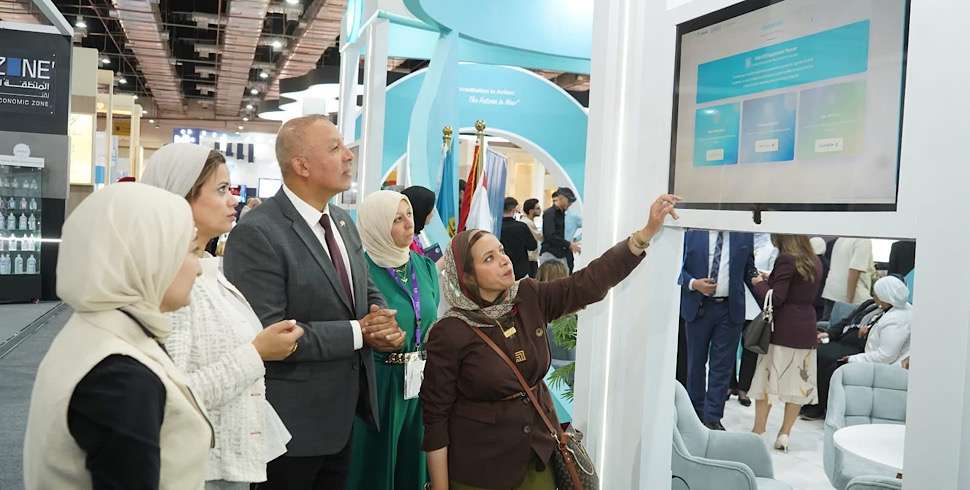
Minister of Agriculture and Land Reclamation, Alaa Farouk, hailed the milestone as a cornerstone of agricultural progress.
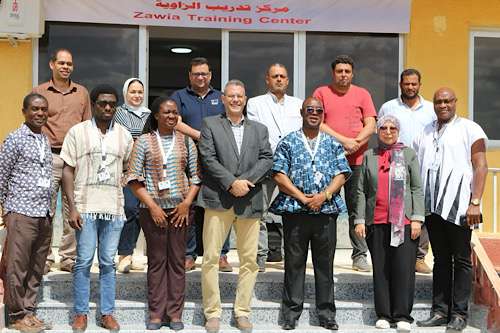
“Scientific research is the engine of development,” he said, pledging continued support for applied research to turn lab results into real-world impact. The ministry is already planning to replicate this model in other governorates, with training programs to equip farmers with the latest techniques in irrigation and cultivation.
This initiative aligns with the nation's Vision 2030, which emphasises sustainable development and food security.
By reclaiming desert land for agriculture, the project not only boosts crop production but also creates economic opportunities for farmers in remote areas. In 2024, cotton exports reached $150 million, per the Central Agency for Public Mobilisation and Statistics (CAPMAS). Expanding cultivation into deserts could further elevate this vital industry, known for its premium long-staple cotton.
The South Sinai success story is more than a local victory, it’s a blueprint for sustainable agriculture in arid regions globally. As climate change intensifies, with rising temperatures and shrinking water supplies, innovations like these offer hope. The project’s focus on drought-tolerant crops and water-efficient practices addresses pressing environmental challenges while maintaining economic viability.
Looking ahead, the Agricultural Research Centre is developing more resilient crop varieties and scaling up training to ensure farmers can adopt these advancements.
“Our goal is to create solutions that benefit both the land and the people who work it,” Abdelazim said. If successful, this model could transform not just Egypt’s deserts but also inspire similar efforts in other water-scarce regions.