











































































































































































































































































































































































































































































































































































































































































































































































































































































































































































































































































































































































































































Friday, 09 October 2026
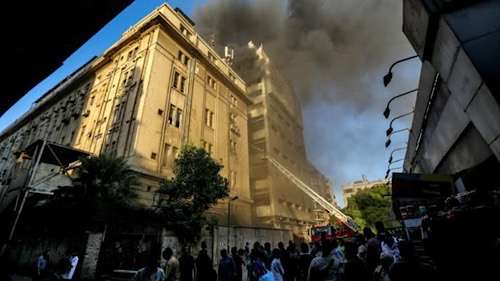
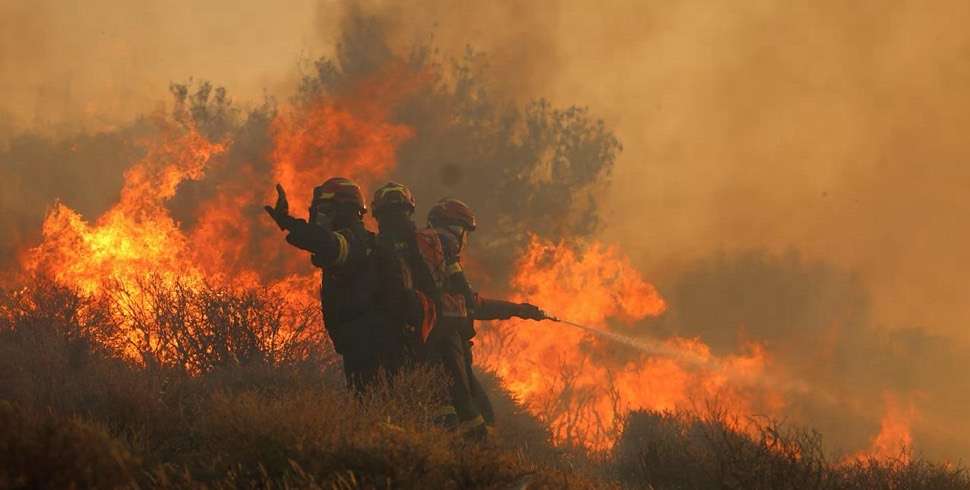
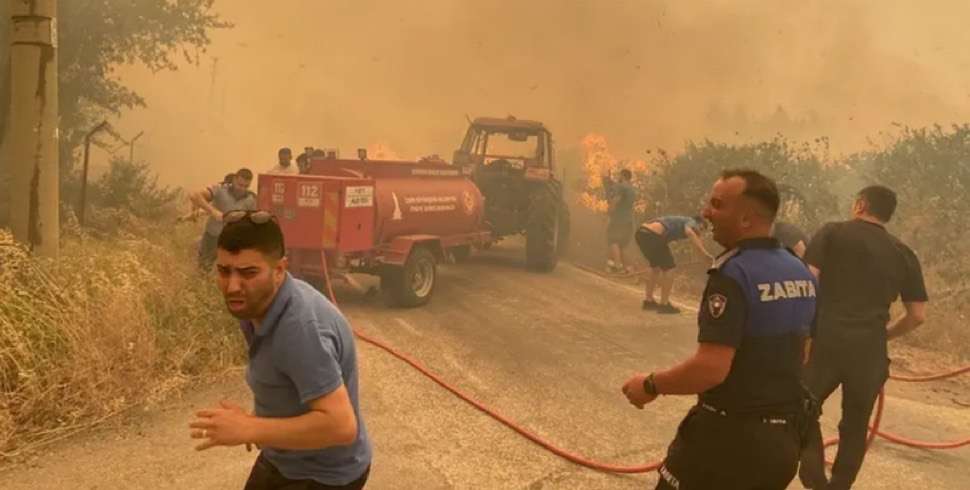
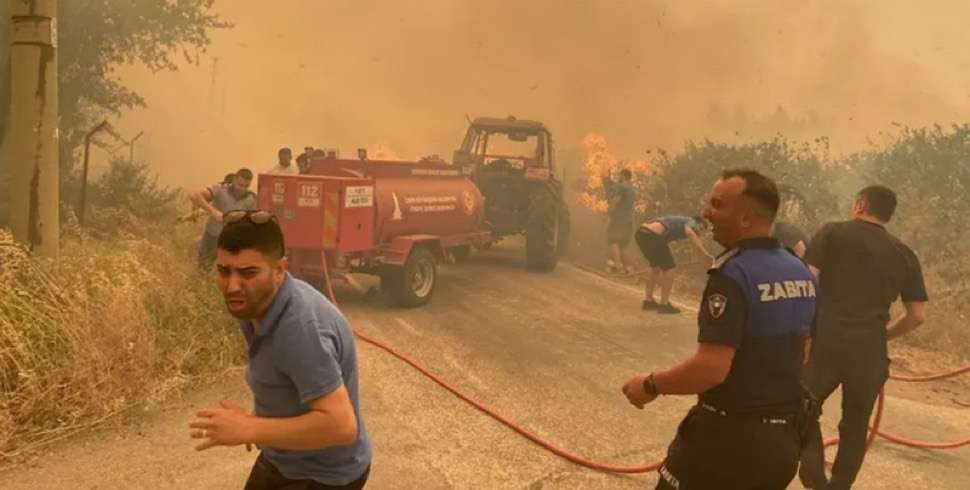
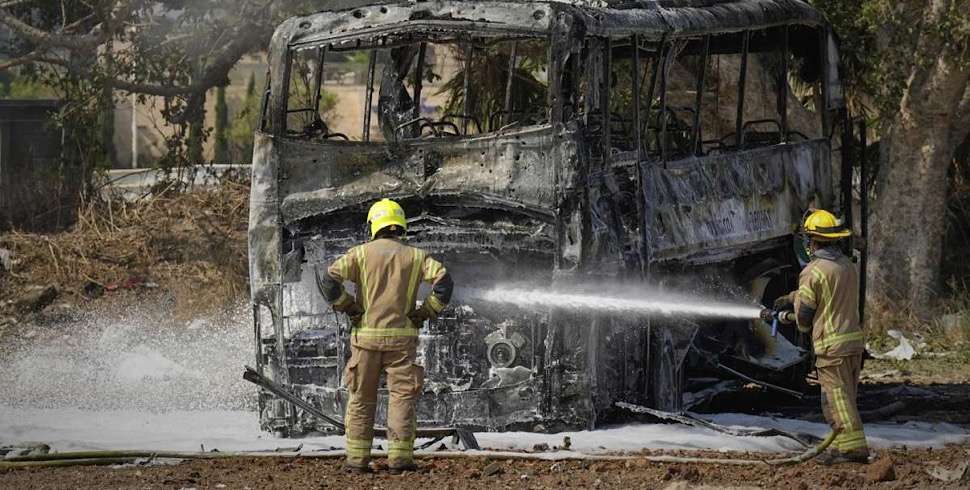
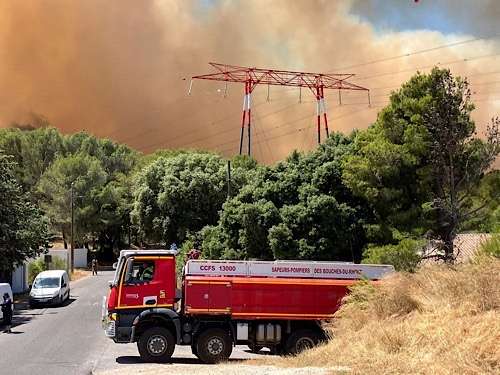 Firefighters work to tackle a wildfire spread at Les Pennes-Mirabeau, near Marseille, southern France. Reuters
BRUSSELS – Wildfires have ravaged several Mediterranean nations this month, forcing thousands into lockdown in Catalonia, Spain, and threatening the outskirts of Marseille, France’s second-largest city, according to Reuters.
Since the start of the year, wildfires have consumed 227,000 hectares across Europe—more than twice the typical amount for this point in the year over the past two decades, data from the EU’s European Forest Fire Information System (EFFIS) reveals.
Although these figures are well above average, they fall short of the worst years on record; EFFIS data, which dates back to 2002, shows far more extreme fire seasons in 2003 and 2017, when over 1.1 million hectares burned each year—an area roughly the size of Jamaica.
Whether 2025 will break any records remains uncertain, as much will depend on the fire season’s progression in the upcoming months.
The frequency of wildfires has also climbed this year, with EFFIS reporting 1,118 incidents as of July 8, compared to 716 over the same period last year.
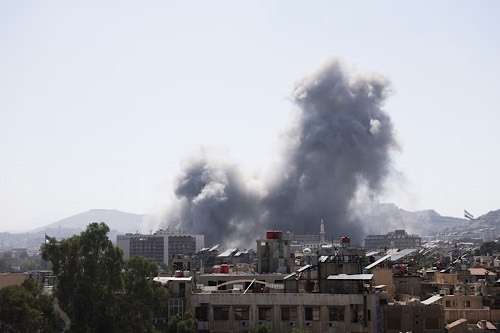
Earlier this month, heatwaves across Europe fueled fires around the Mediterranean, reaching as far as Syria, where over 3 percent of the nation’s forested areas have been lost, according to the UN. In Greece, wildfires on the islands of Evia and Crete forced mass evacuations as flames approached residential areas.
Despite the overall spike in fire activity, scientists monitoring the situation note that the most destructive Mediterranean fires have, so far, remained relatively contained.
Researchers attribute the Mediterranean’s heightened wildfire risk to its increasingly hot and dry summers. Once flames ignite, dry plant material and powerful winds enable fires to spread quickly and spiral out of control.
Climate change magnifies these dangers by producing hotter, drier conditions. In countries bordering the Mediterranean, this has led to earlier, more severe fire seasons, shattered records for fire intensity, and greater land devastation.
Since pre-industrial times, greenhouse gas emissions—primarily from burning coal, oil, and gas—have raised global temperatures by roughly 1.3 degrees Celsius. The World Meteorological Organisation reports that Europe has warmed at twice the global average since the 1980s.
This heightened baseline means heatwaves are more likely to produce even higher temperatures, and such extreme heat events are becoming more frequent—a trend confirmed by the United Nations’ Intergovernmental Panel on Climate Change.
Governments are bracing for more severe wildfires. EFFIS forecasts warmer-than-average conditions across Europe in August, suggesting that fire risk will remain elevated in much of southern and eastern Europe.
While southern Europe may see typical rainfall, EFFIS predicts that much of the continent will experience drier-than-average conditions in August, potentially increasing fire danger elsewhere.
In response, authorities are ramping up preparations. Greece, for instance, has deployed a record 18,000 firefighters this year in anticipation of intense blazes and has revamped its firefighting strategies and patrol routines to detect outbreaks earlier and minimize devastation, government officials say.