































































































































































































































































































































































































































































































































































































































































































































































Friday, 09 October 2026
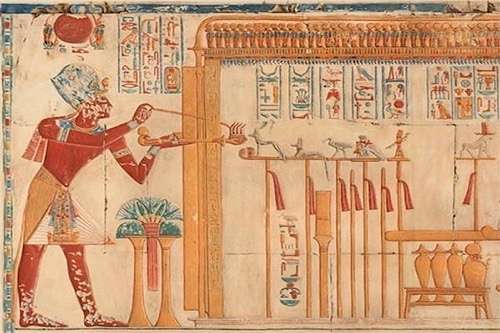
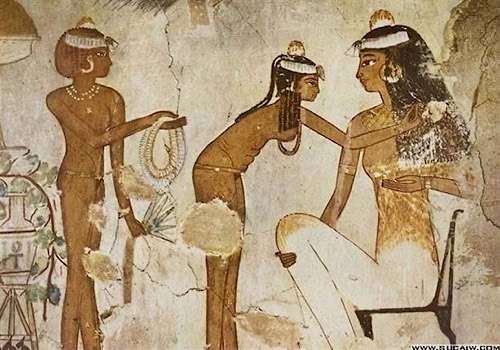
For thousands of years, the sweet smoke of incense has curled through temples from Egypt to Mesopotamia, across the Greek world and into the heart of the Roman Empire. Long before oil was called “black gold,” incense was the precious commodity that set empires on edge, fueled vast trade networks and helped shape the political and economic landscape of the ancient world.
More than a ritual tool, incense became an engine of power. It enriched kingdoms, inspired long‑distance trade routes, and ignited rivalries over the desert tracks and maritime passages that carried it north from Arabia and the Horn of Africa. Control of these routes could decide the fate of rulers; entire civilizations rose and fell along the roads where frankincense was harvested, traded, and taxed.
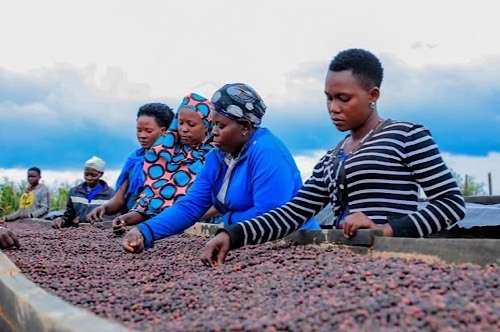
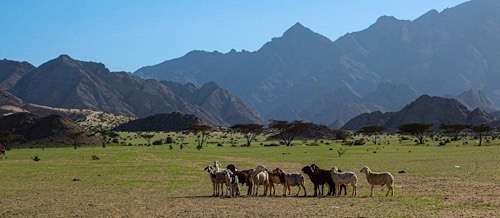
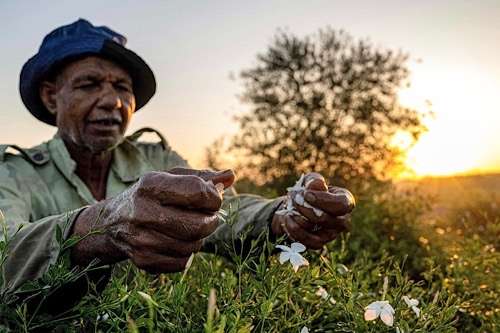
Frankincense itself comes from the rare Boswellia tree, which grows almost exclusively in Oman, Yemen, Somalia and parts of the Horn of Africa near the Bab al‑Mandeb strait. Climate, soil and wind give each region’s resin a distinctive quality. When tapped, the tree releases a clear, sticky sap that hardens into pearly granules known as “tears of frankincense,” later burned as incense or refined into luxury perfumes.
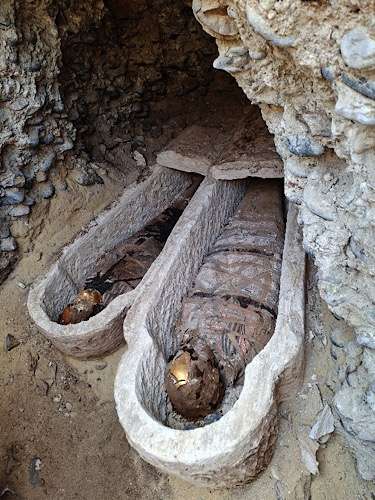
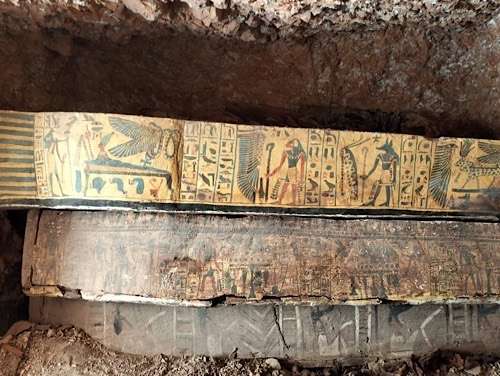
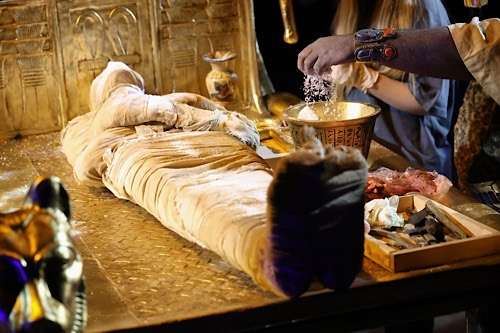
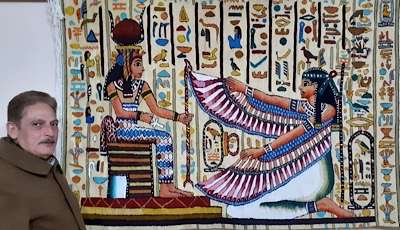
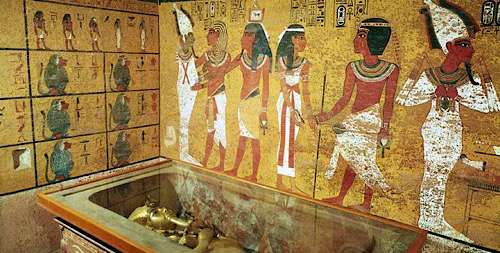
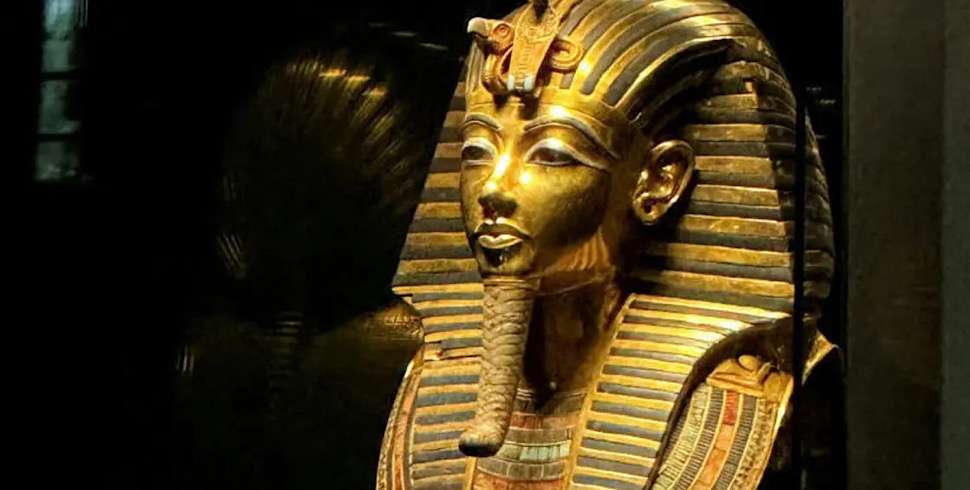
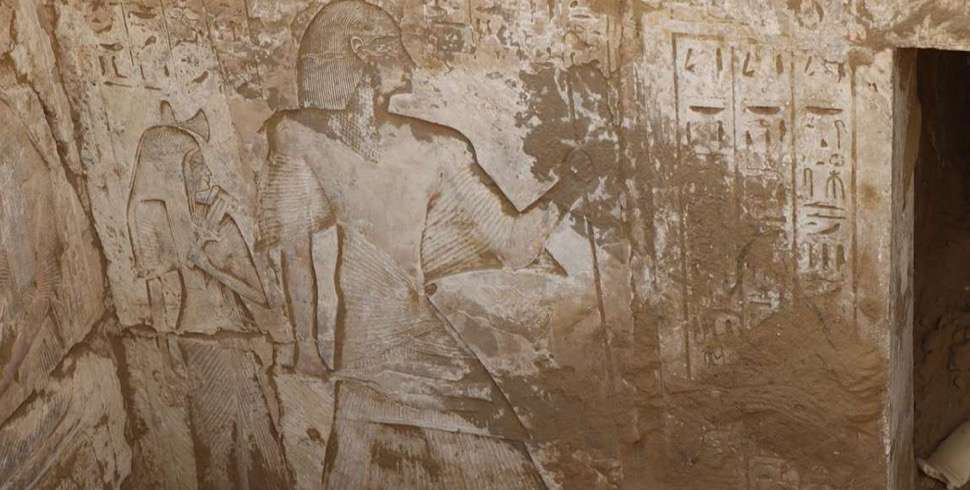
Myrrh, another treasured resin, comes from different hardy shrubs. Prized for its antiseptic qualities, it was used in medicine and in the embalming rituals of ancient Egypt.
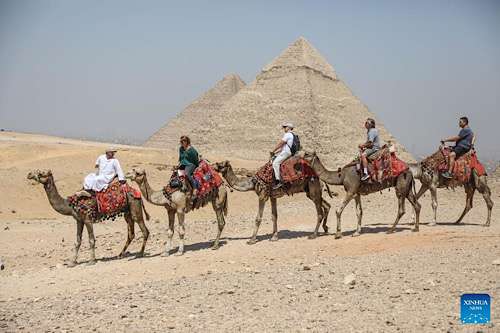
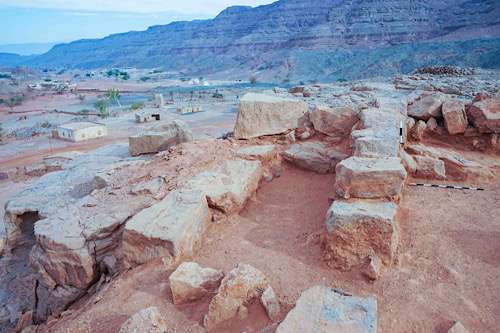
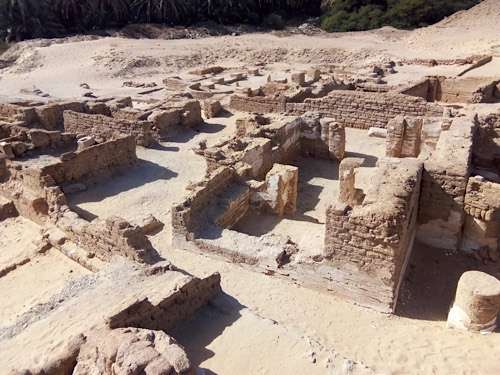
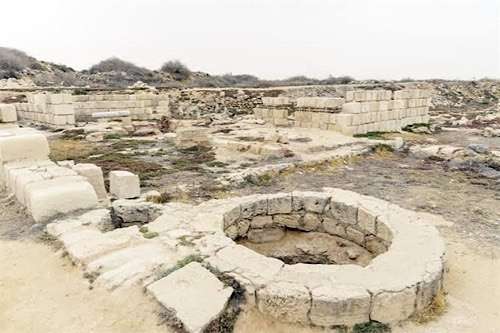
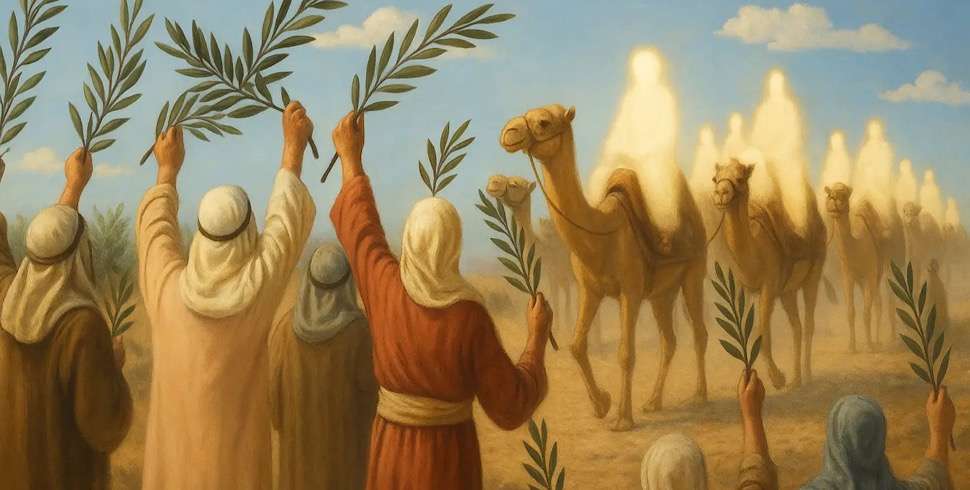
These fragrant substances became part of a global economy long before the term existed. Caravans moving across Arabia and the Levant relied on a chain of stopover stations that doubled as logistical hubs and centers of authority. At these points, traders found water, food and new pack animals, but they also encountered tax collectors, guards and price negotiators. Whoever controlled these chokepoints controlled not only the trade itself but also the political leverage that flowed from it.
Historians describe this system as an early “protection economy,” in which local tribes or rulers guaranteed safe passage in return for fees. When competition grew fierce, conflicts erupted, shifting trade routes or prompting military campaigns aimed at seizing strategic ground.
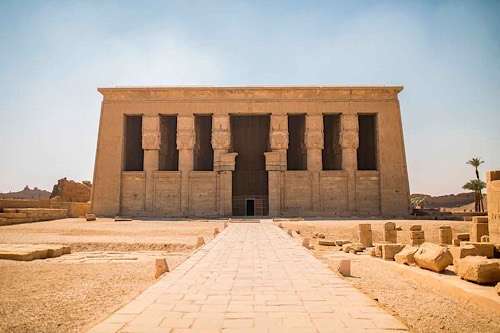
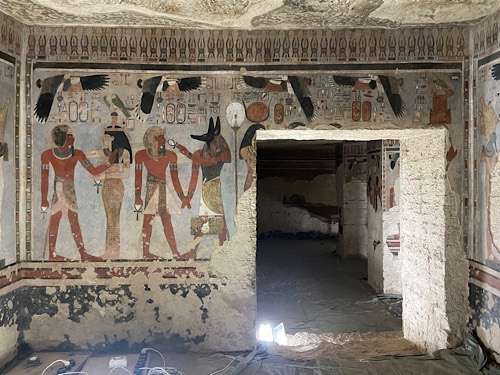
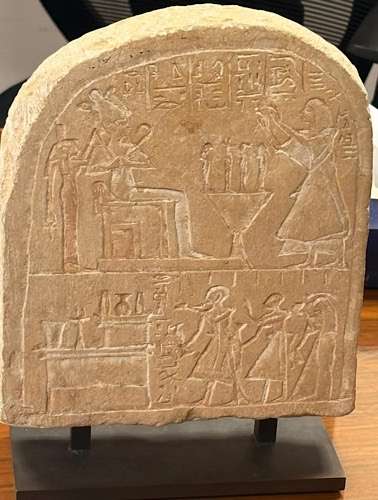
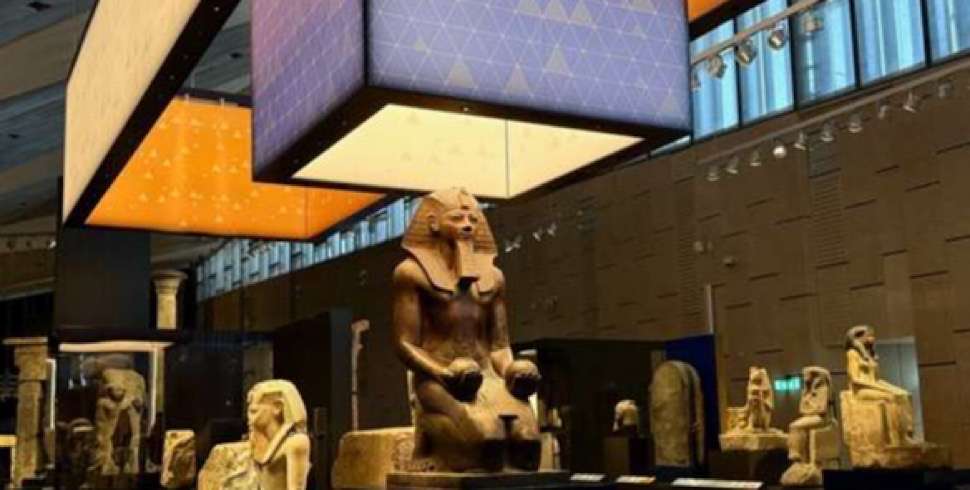
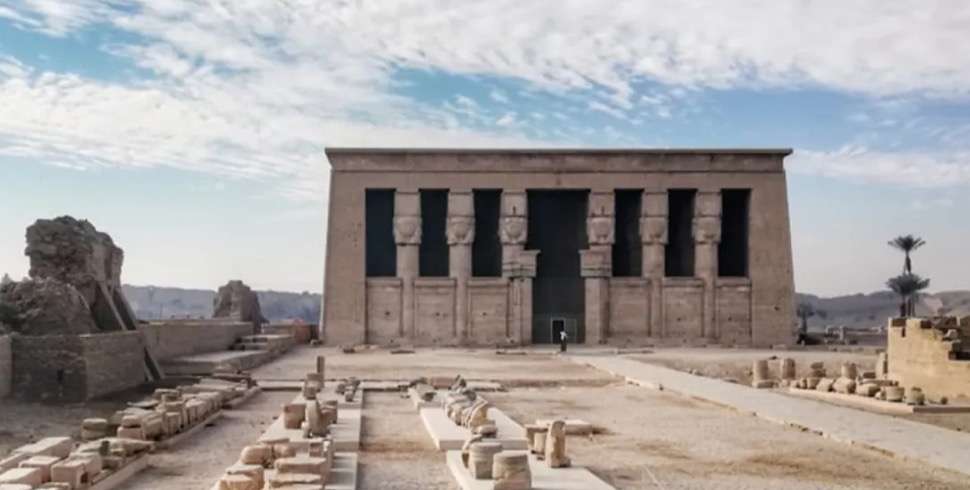
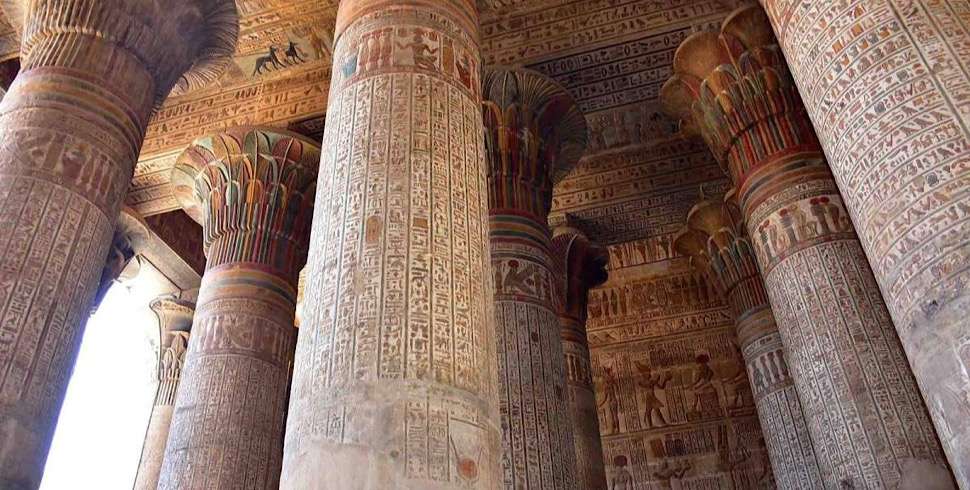
Frankincense also carried deep spiritual meaning. In temples across Egypt, Mesopotamia, Greece and Rome, its smoke was believed to purify, elevate prayers or bridge the human and divine. That symbolic value only increased its economic weight. Across the long chain of intermediaries—from harvesters to regional brokers to major consumption centers—each stage added cost, profit and cultural significance.
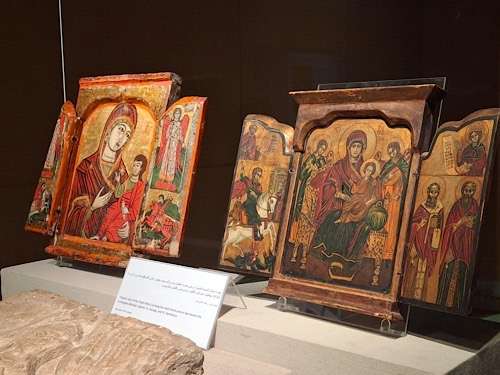
Today, frankincense remains present in Eastern and Western Christian rituals and in daily social traditions in the Arabian Peninsula and East Africa. Yet the trees that produce it are under mounting pressure from climate change, over‑harvesting and habitat degradation.
Still, economists note that products with meaning tend to endure, even as tastes shift. For millennia, incense has carried both material value and spiritual weight. Its trade routes laid the groundwork for early forms of global exchange, weaving together distant lands through a fragrant thread that has survived from antiquity to the modern world.