
































































































































































































































































































































































































































Friday, 09 October 2026
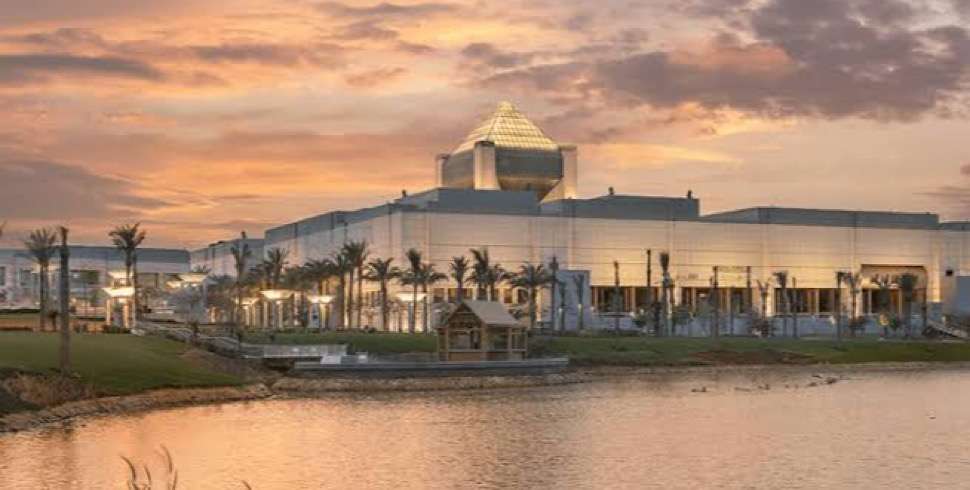
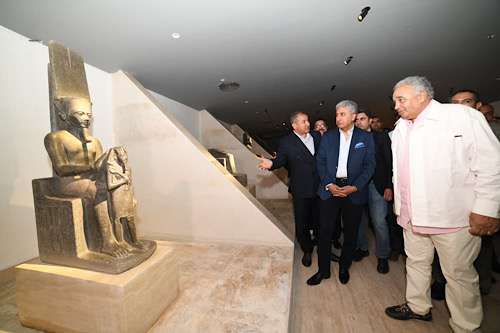
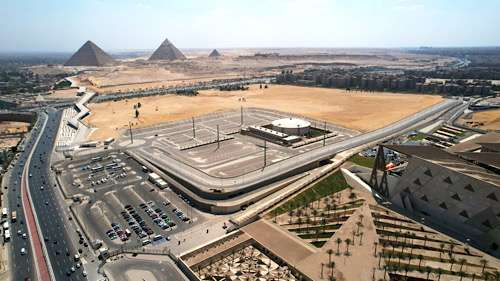
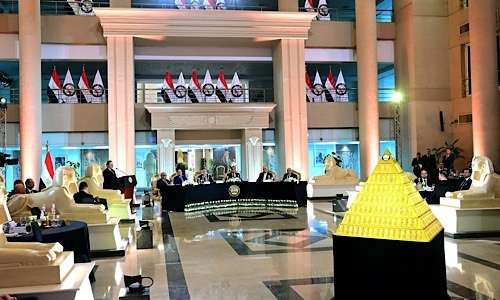
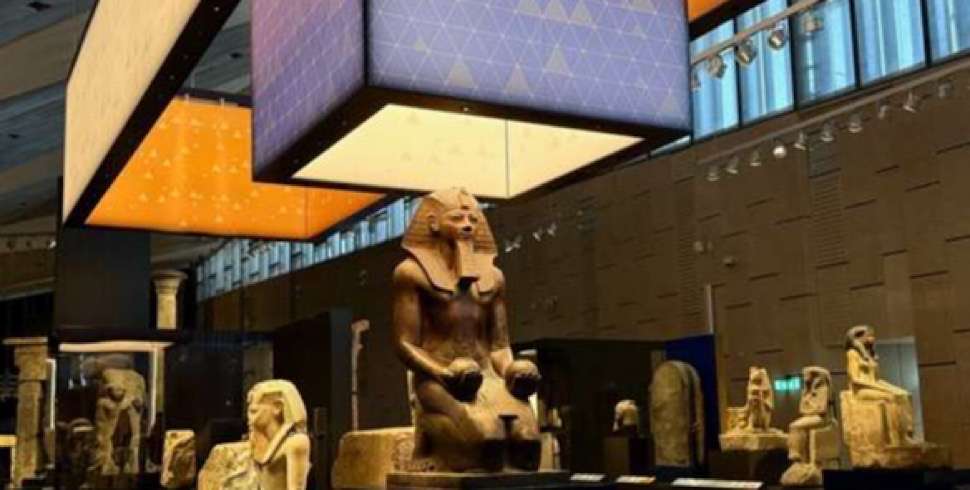
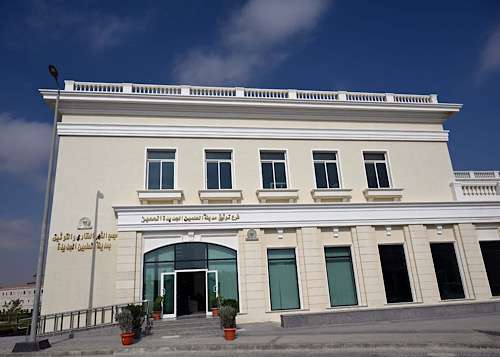
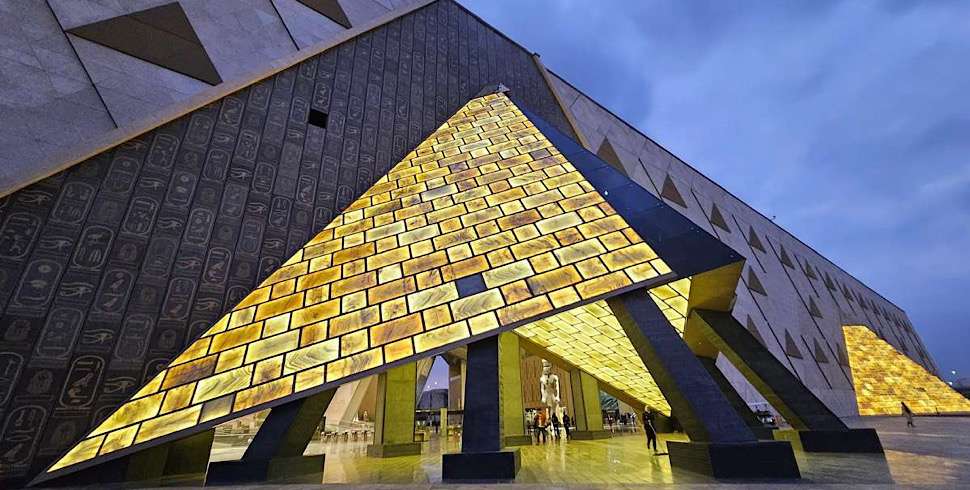
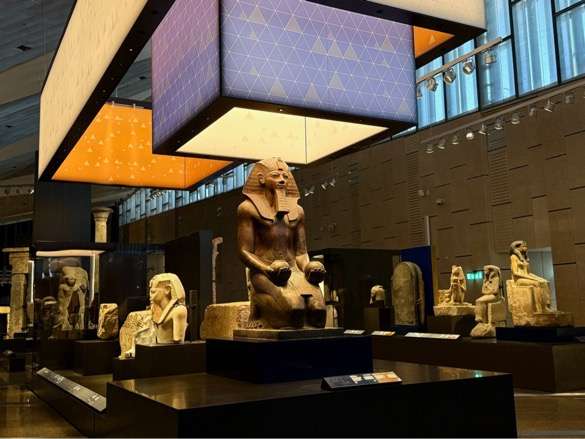
In keeping with its role as a pioneering scientific and cultural institution, the National Museum of Egyptian Civilization (NMEC) is reaffirming its commitment to supporting scientific research and academic collaboration.
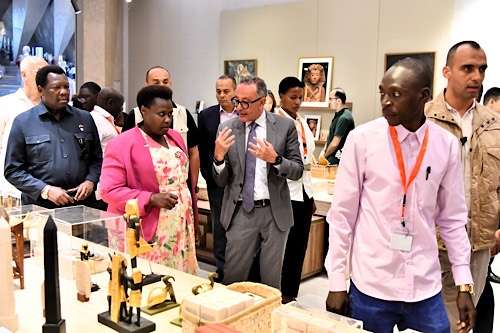
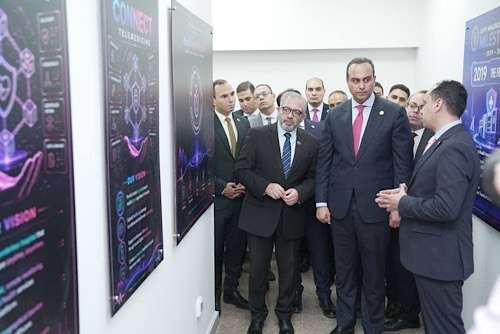
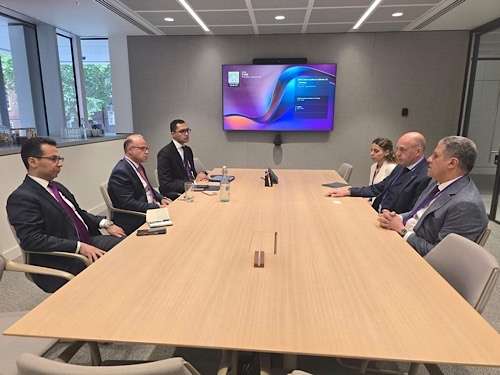
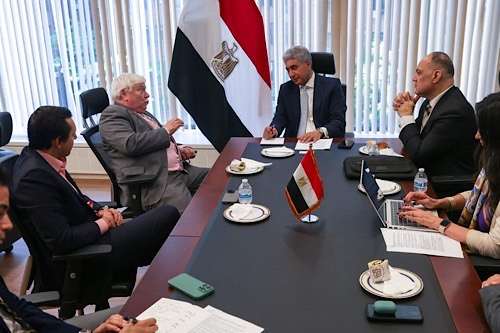
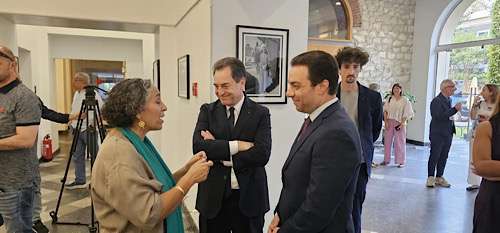
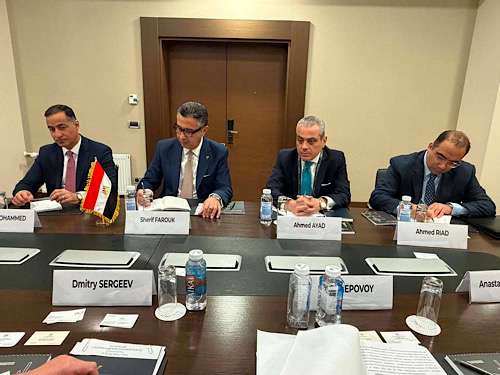
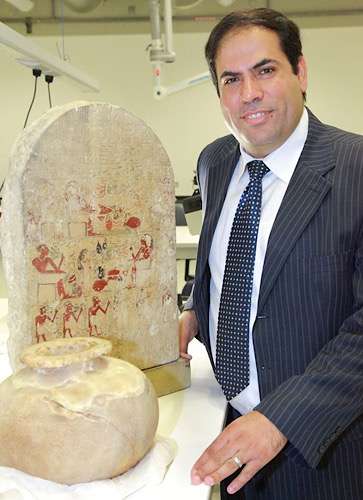
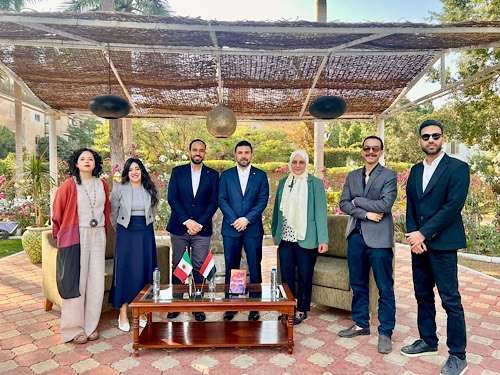
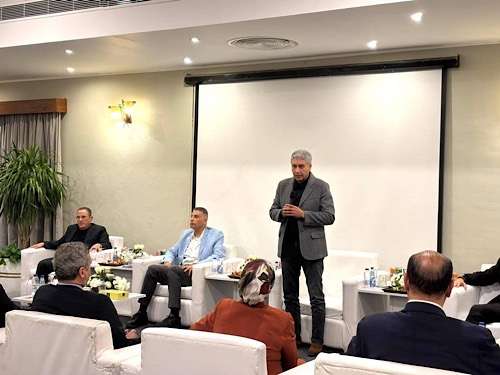
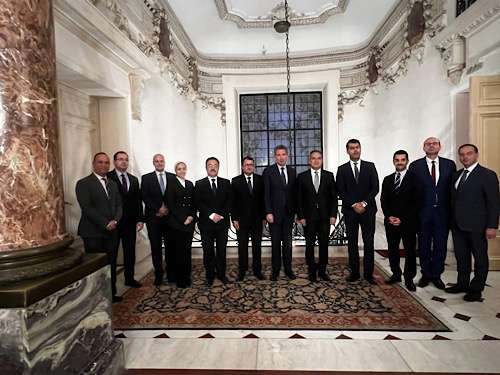
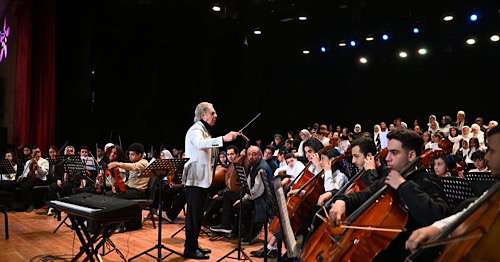
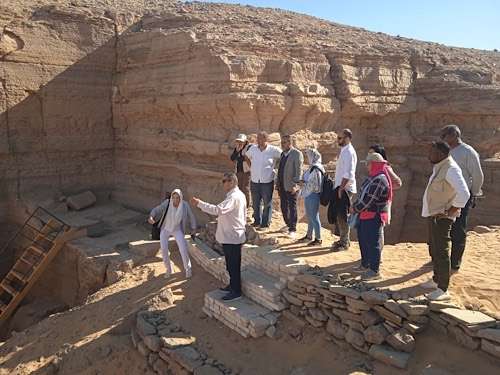
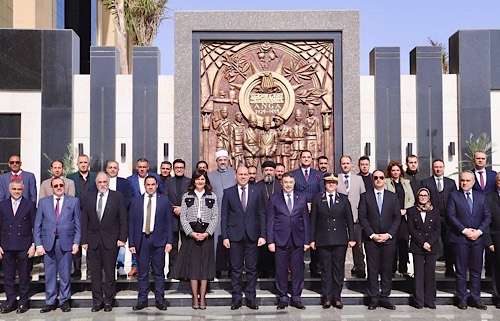
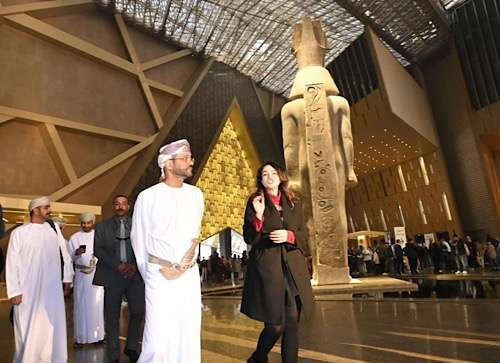
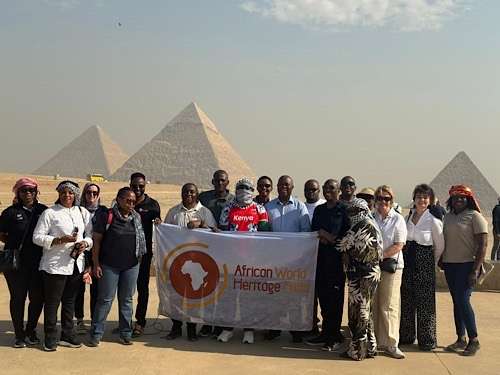
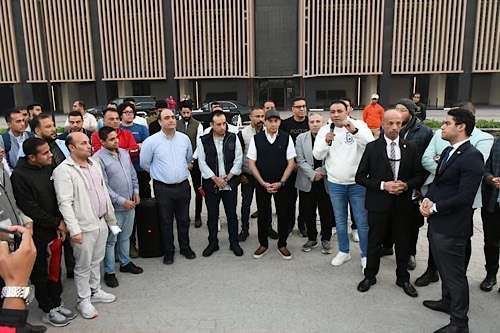
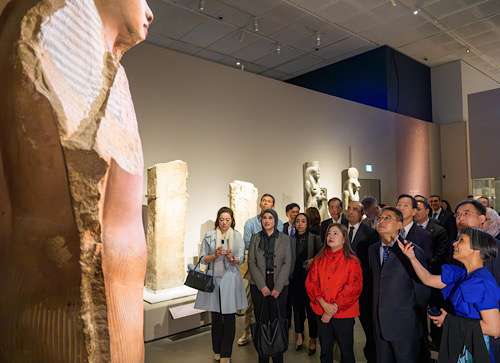
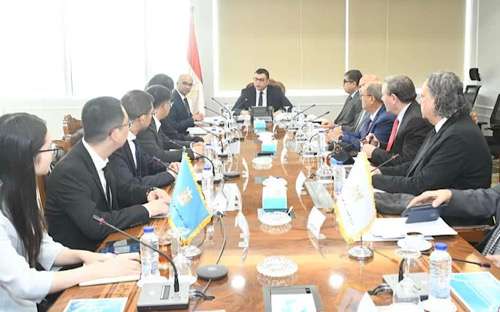
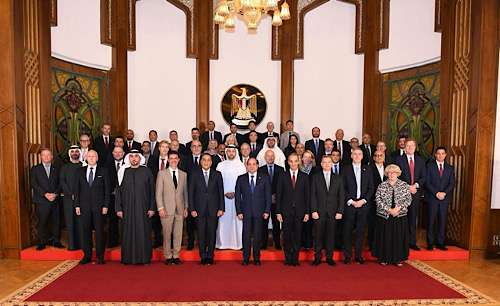
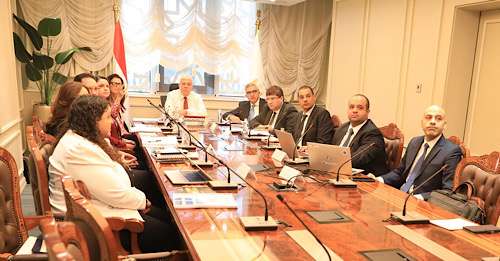
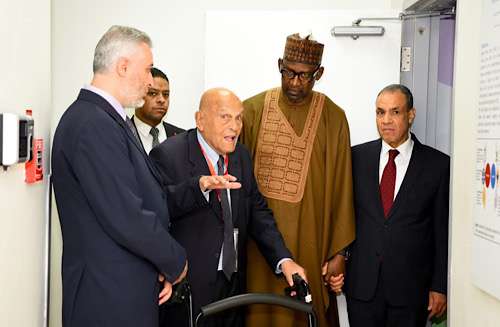
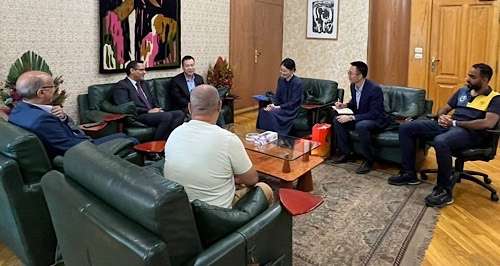
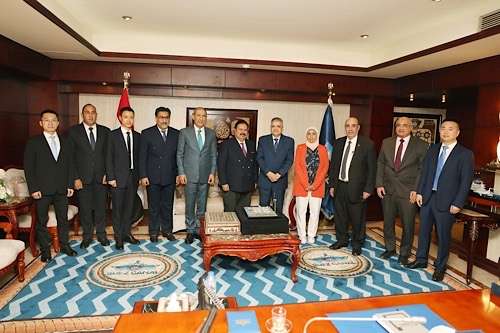
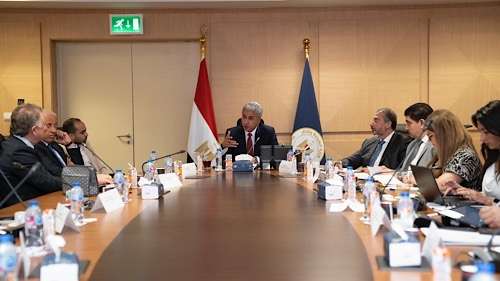
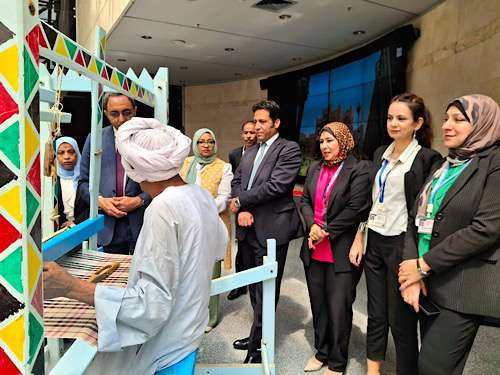
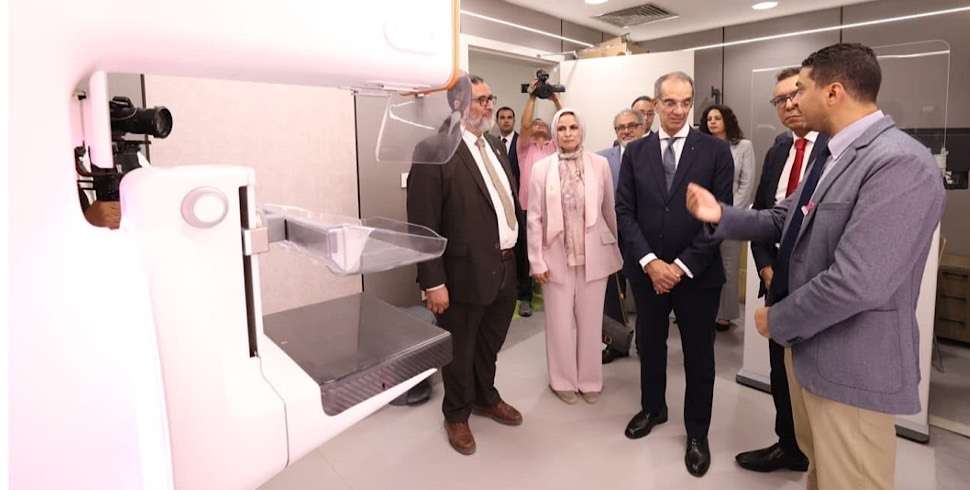
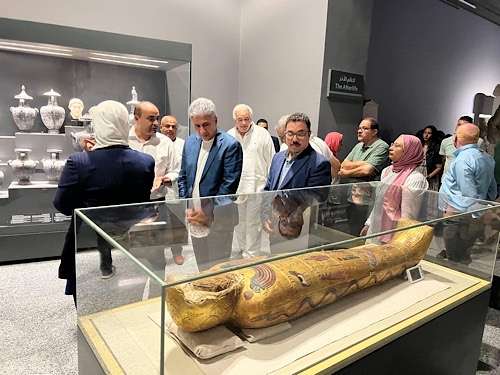
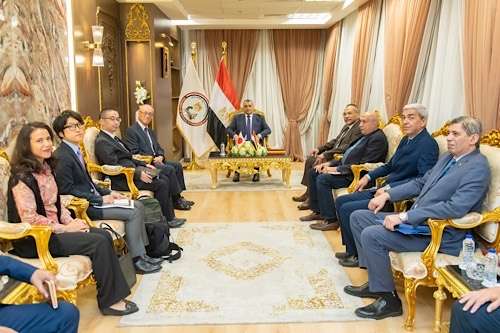
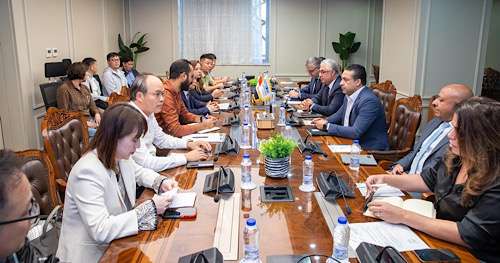
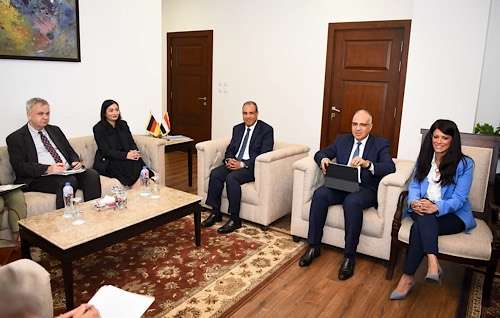
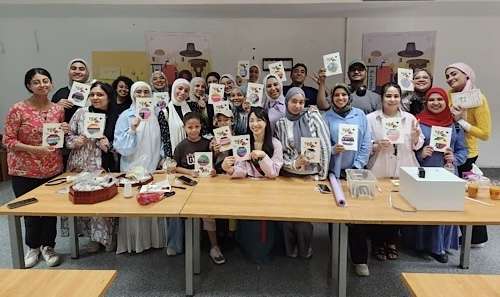
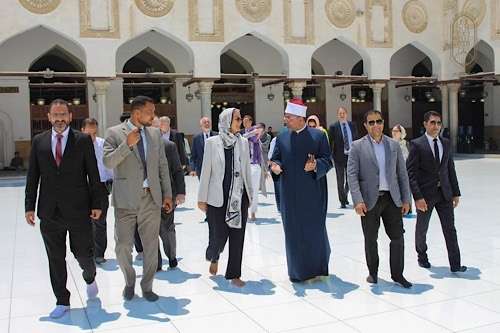
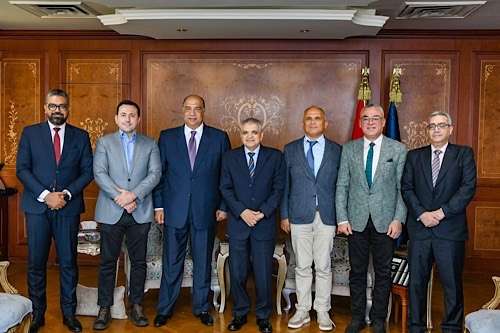
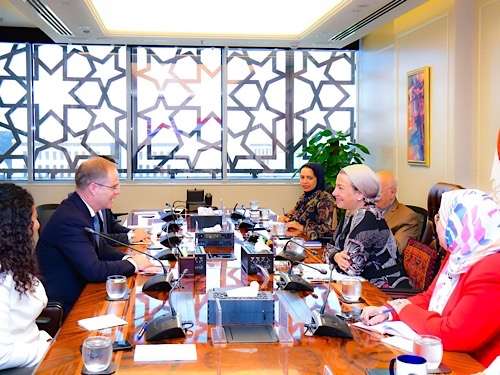
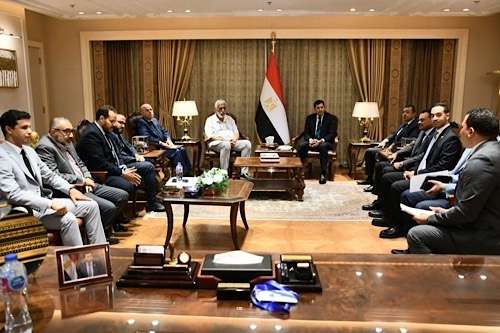
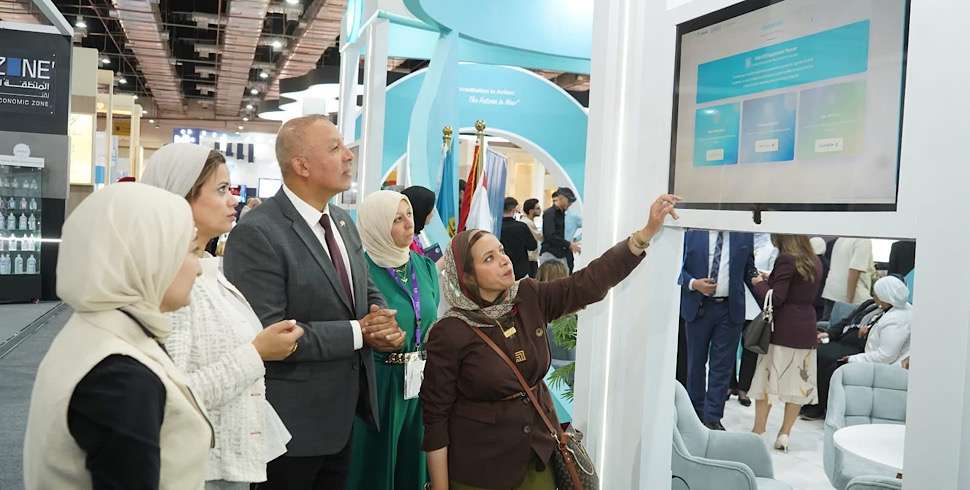
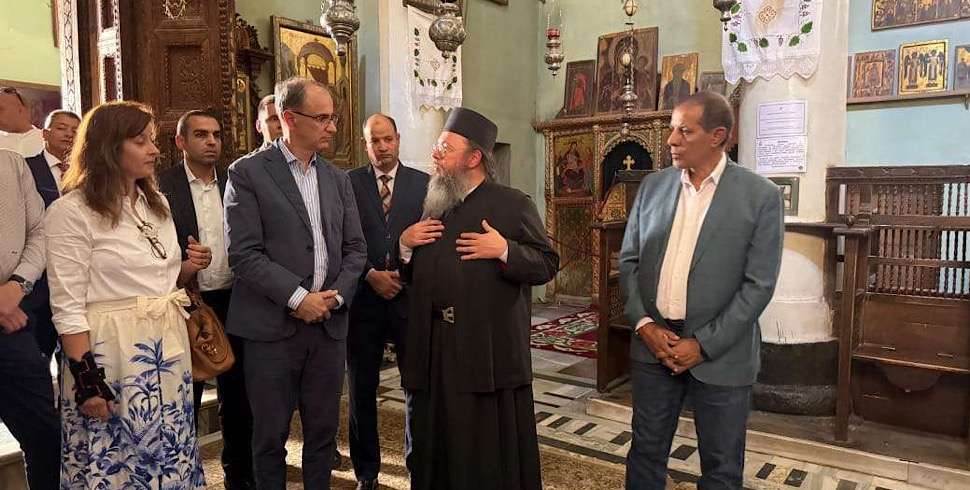
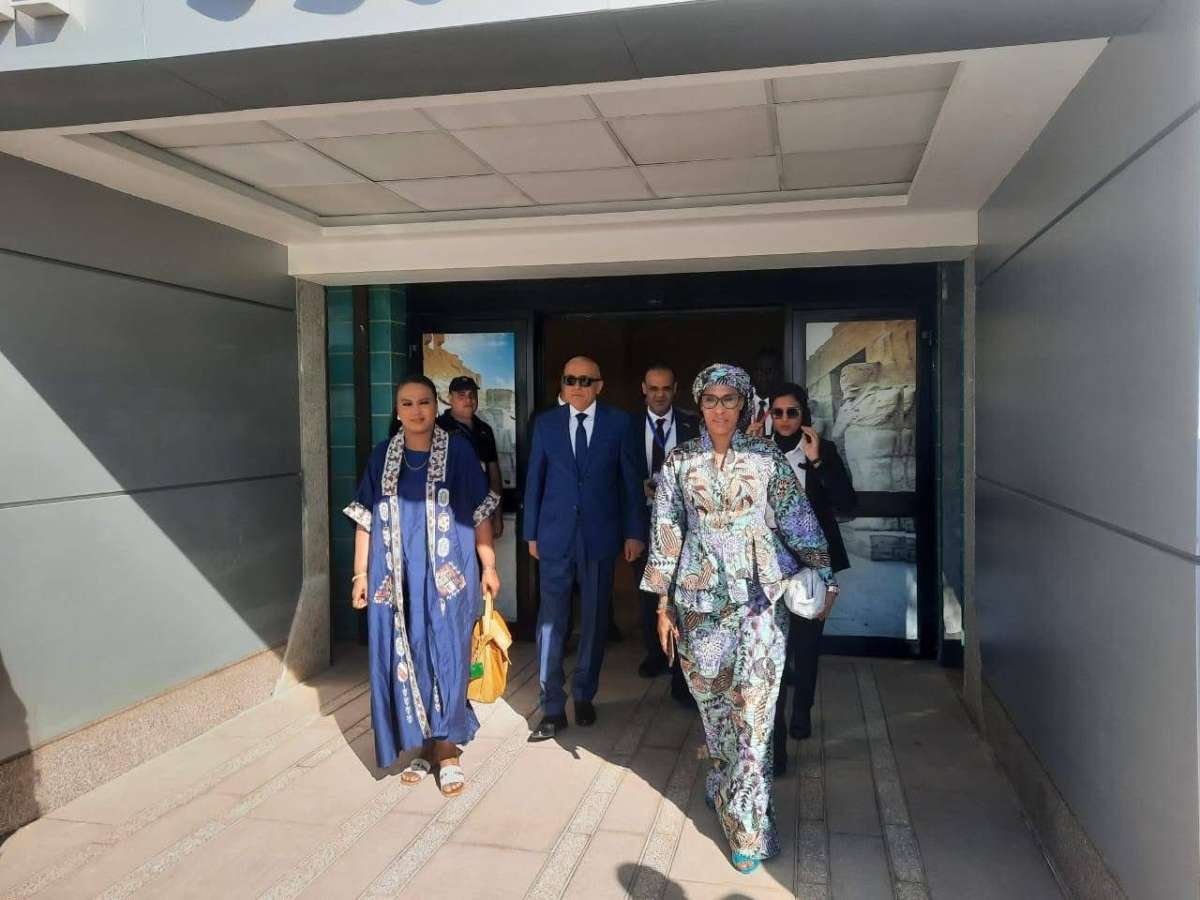
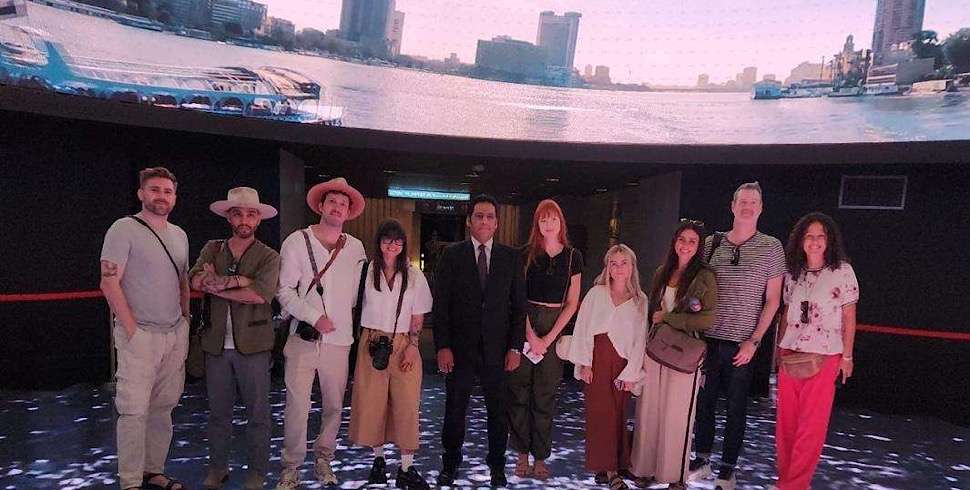
Over the past few days, the museum has welcomed three delegations from prominent local and regional academic and cultural bodies. These visits aim to foster the exchange of expertise, support hands-on training programs, and strengthen collaboration in scientific research, restoration work, and the preservation of documents and manuscripts.
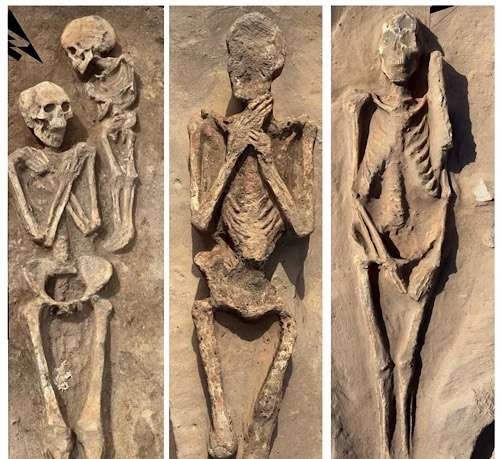
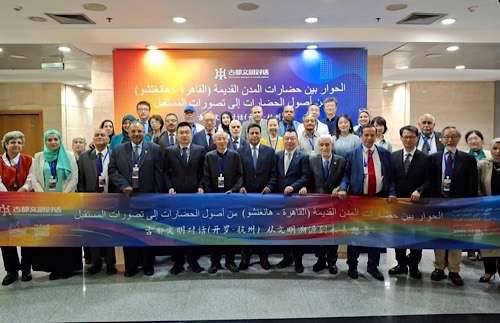
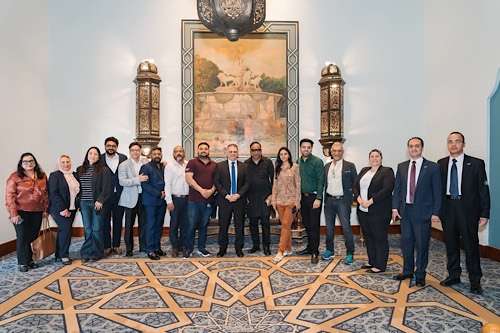
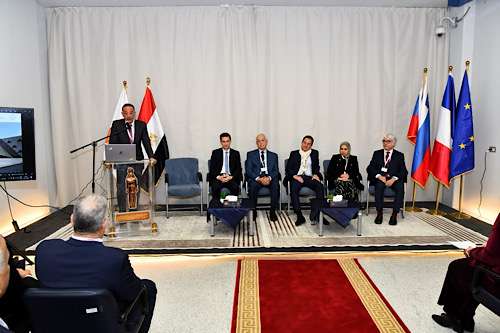
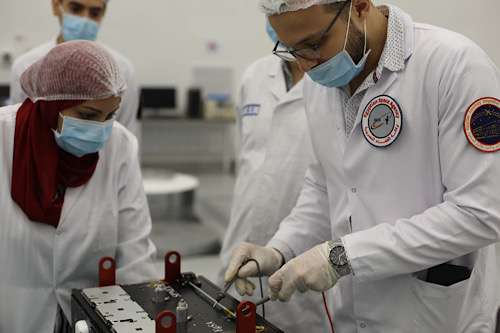
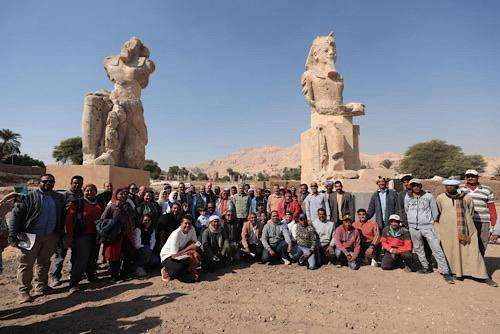
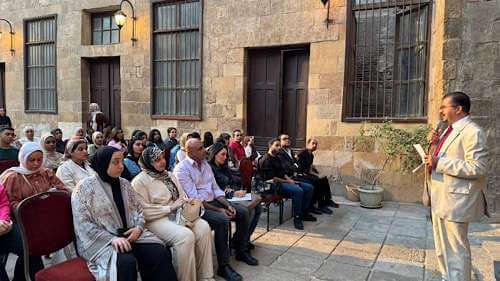
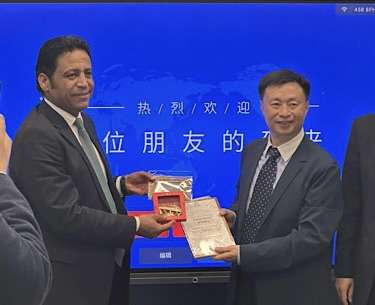
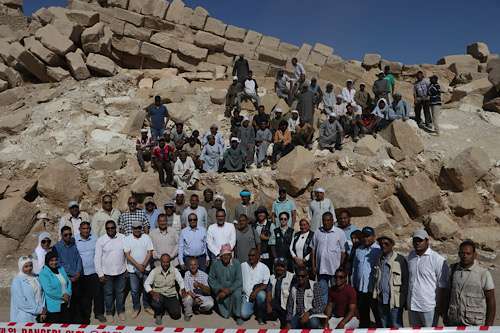
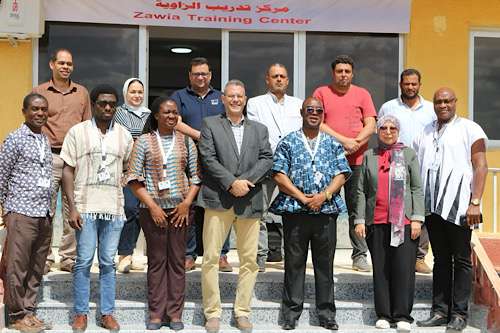
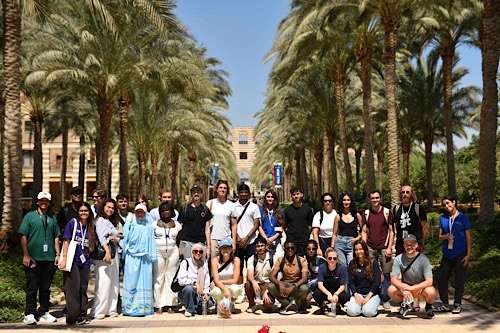
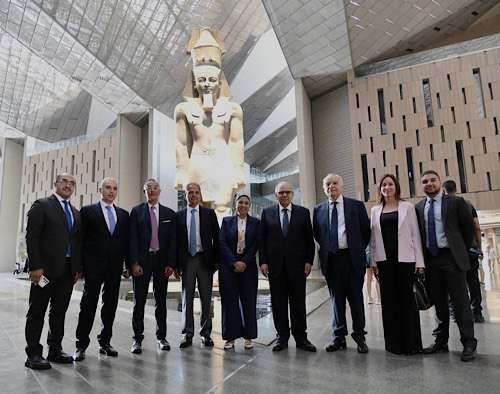
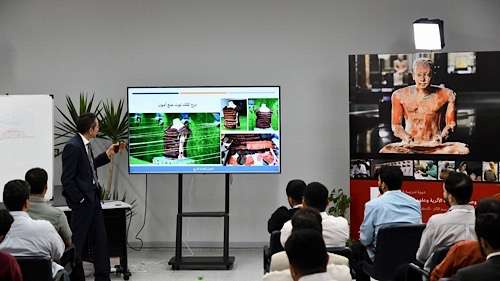
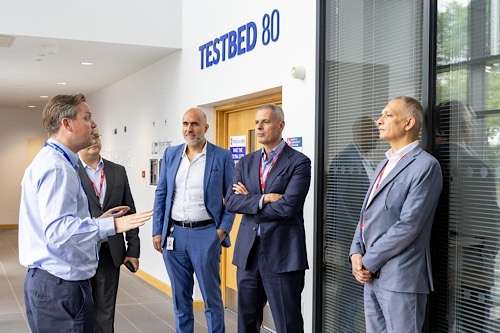
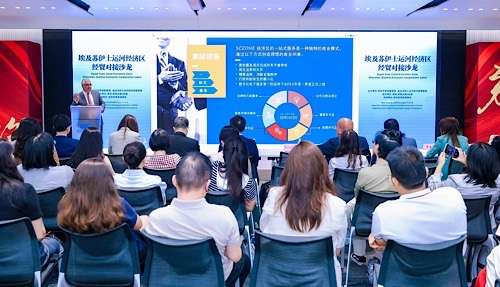
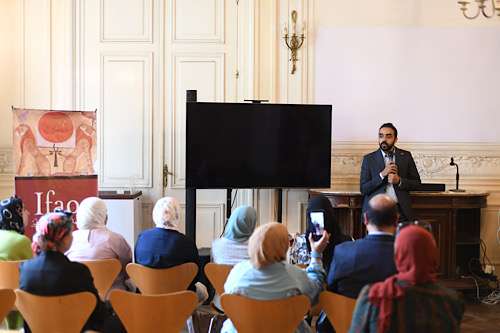
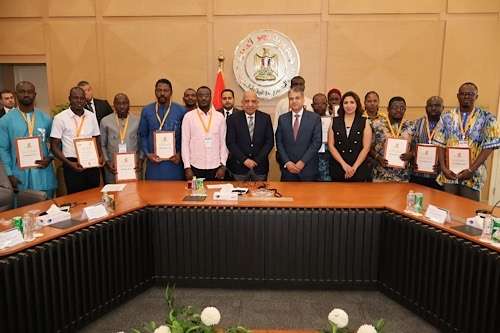
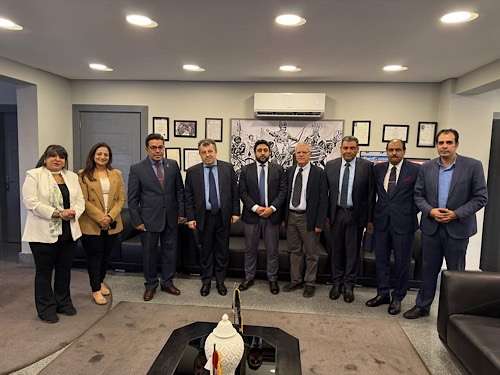
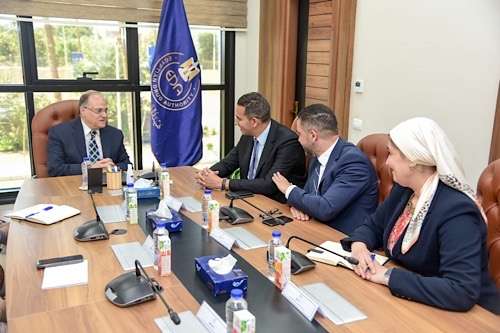
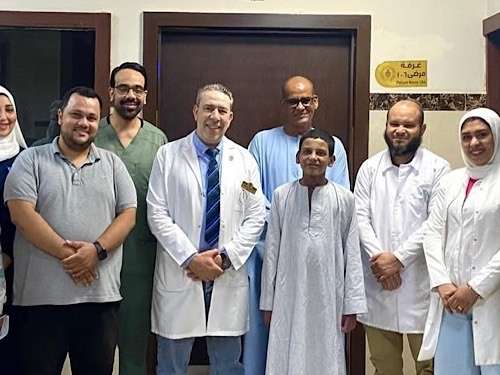
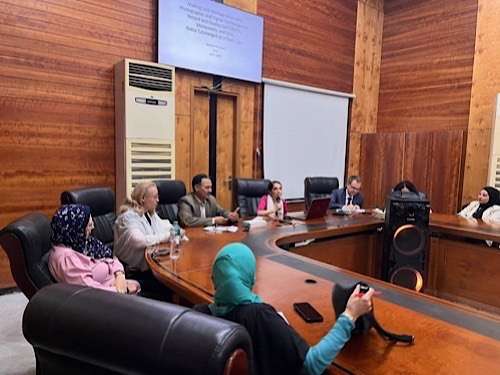
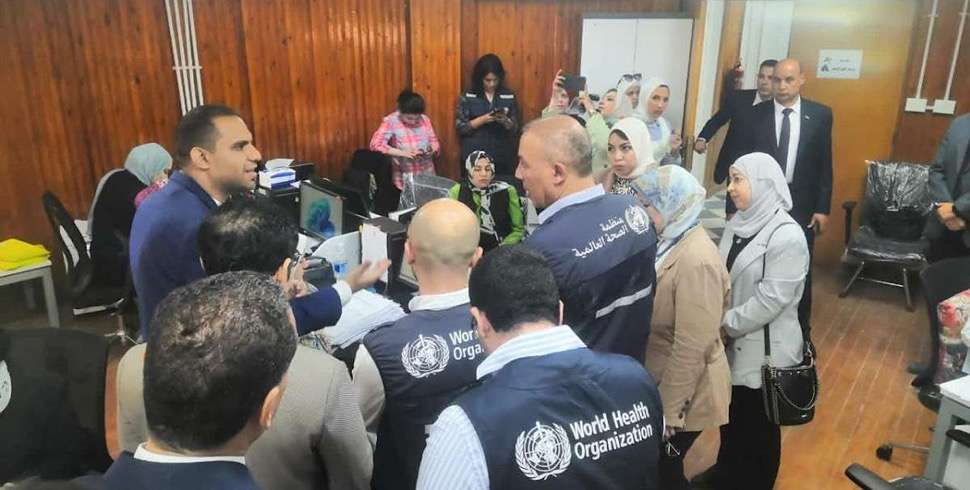
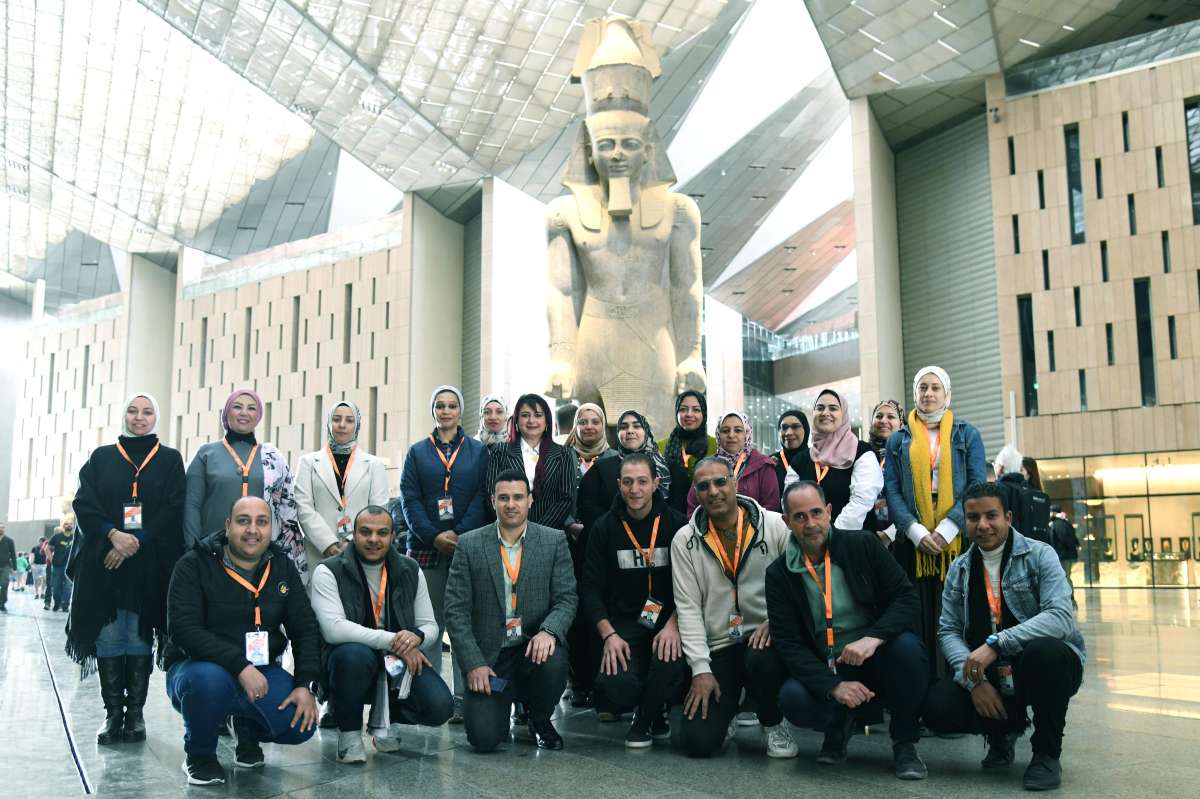
Among the notable events, the NMEC hosted a delegation of participants in an advanced training course on DNA analysis techniques, focused on both modern and ancient samples.
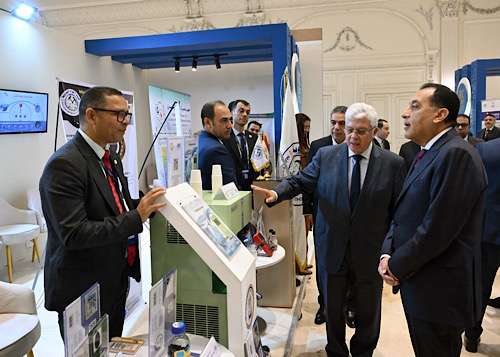
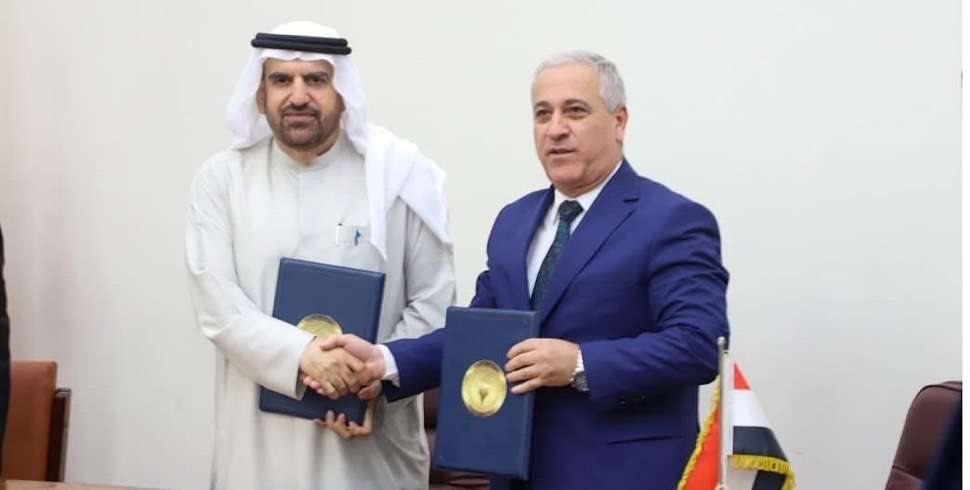
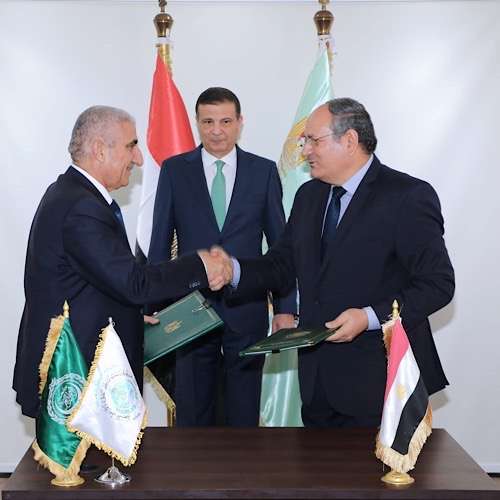
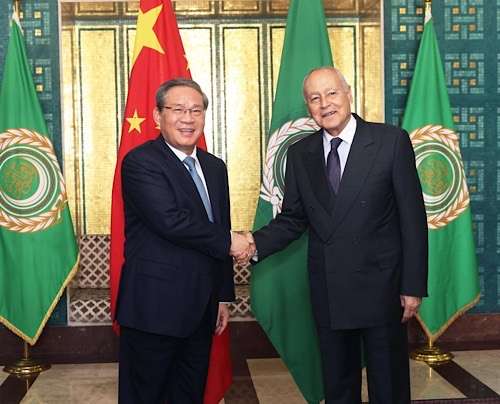
This workshop was organized by Egypt’s Atomic Energy Authority in cooperation with the Arab Atomic Energy Agency of the Arab League and included researchers from Egypt and several Arab countries. The delegation toured the museum’s laboratories and explored the latest equipment and techniques in bioanalysis and organic material research.
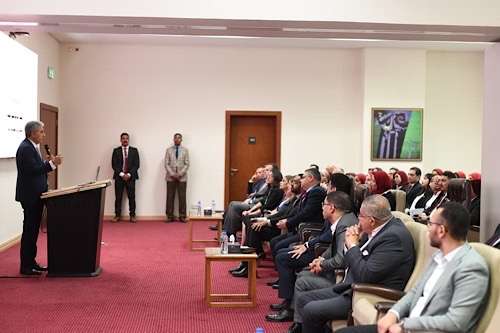
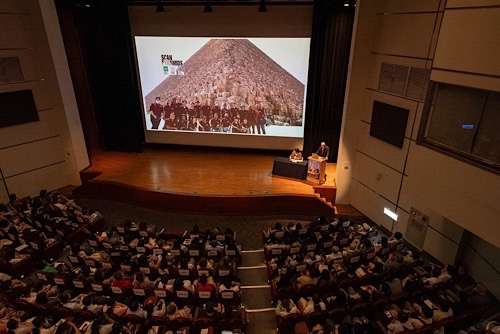
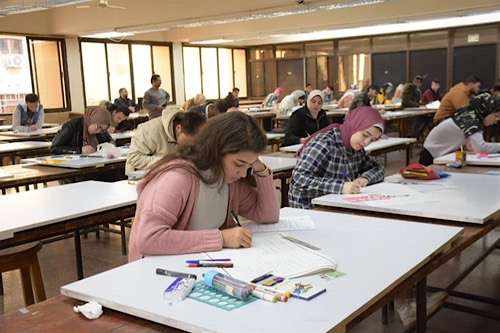
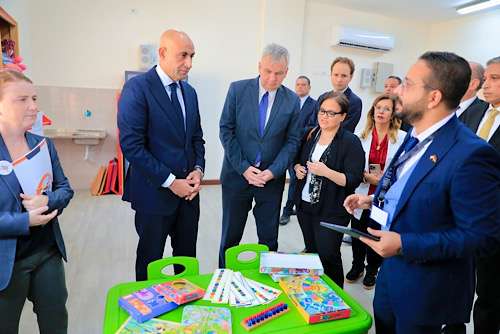
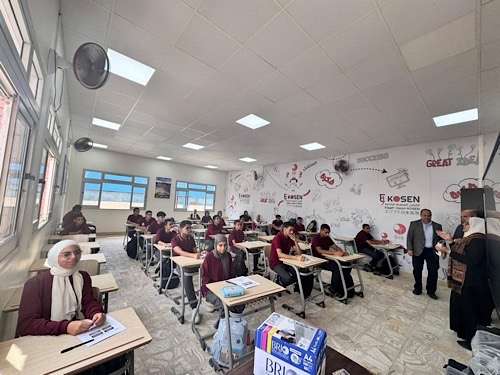
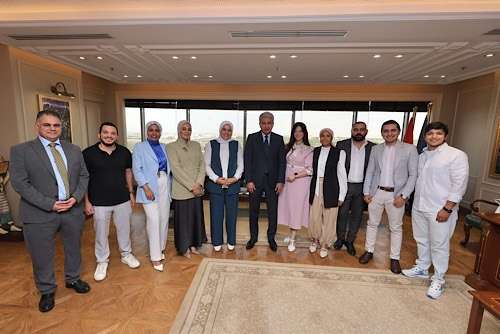
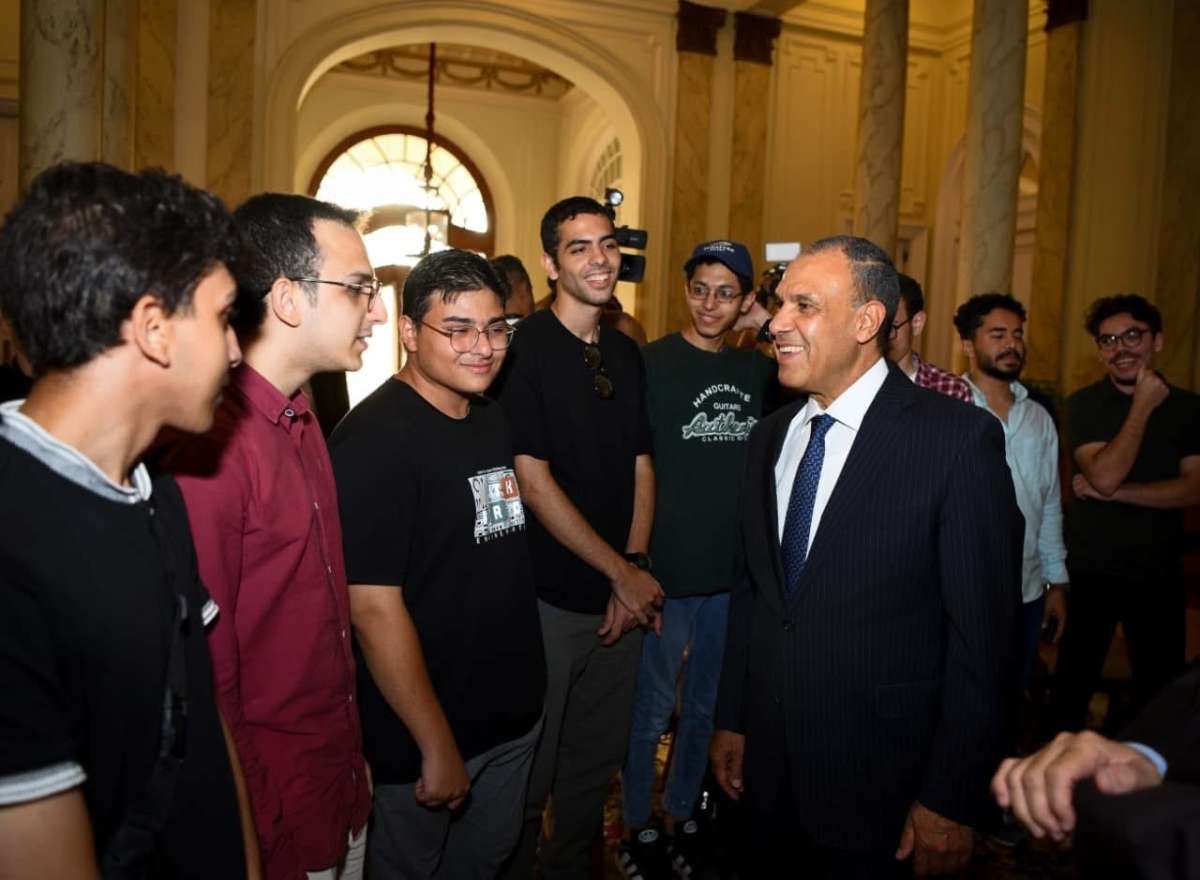
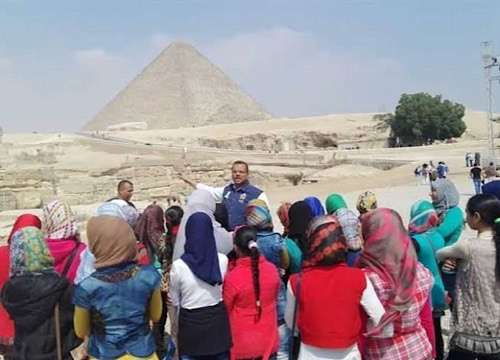
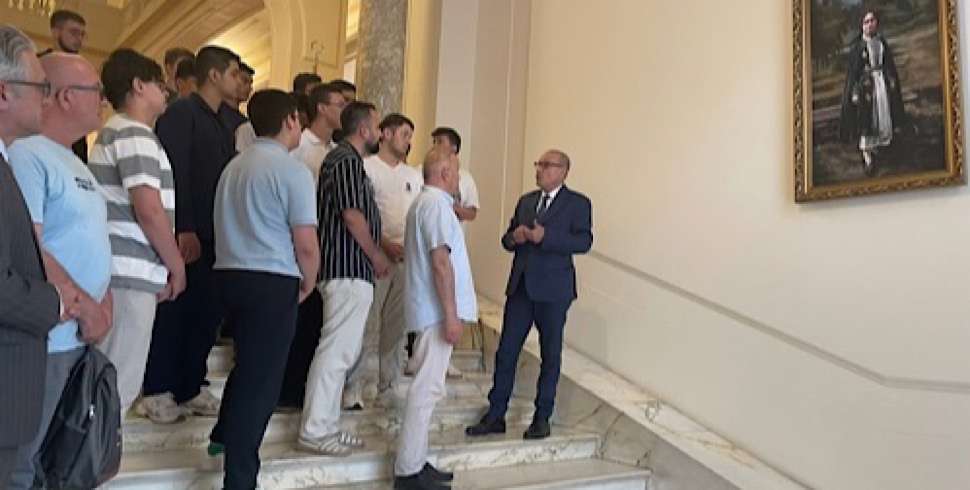
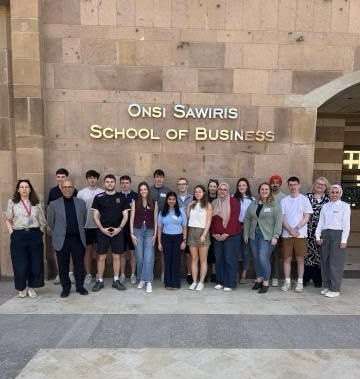
The museum also opened its doors to a group of 25 students from the Faculty of Biotechnology at October University for Modern Sciences and Arts. Their scientific visit was designed to provide hands-on training in biotechnology and material analysis, including a specialized lecture and a tour of NMEC’s state-of-the-art labs. The museum and the university agreed on conducting a number of student graduation projects within NMEC’s labs under joint supervision.

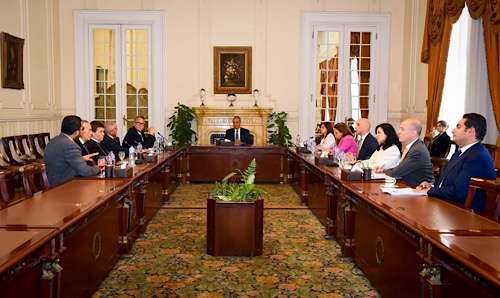
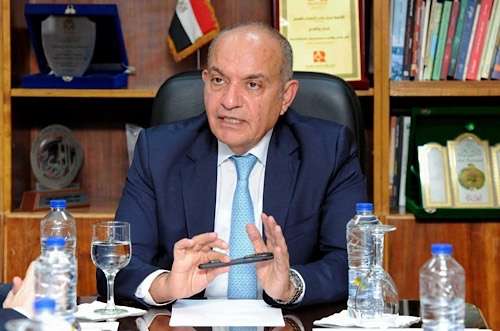
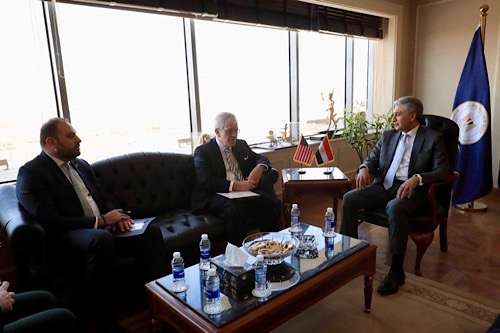
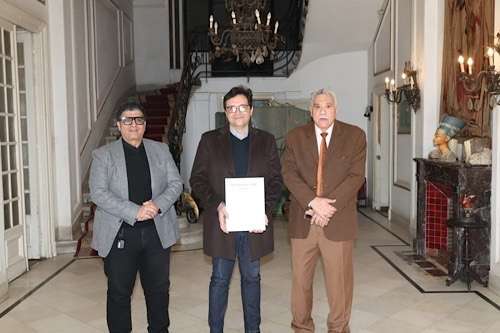
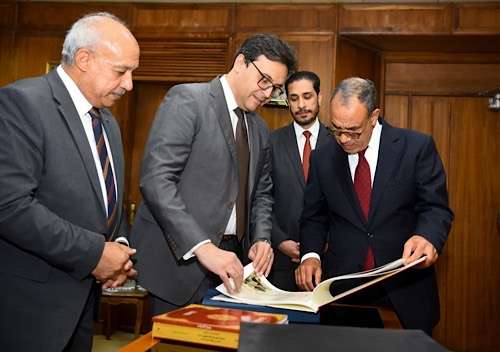
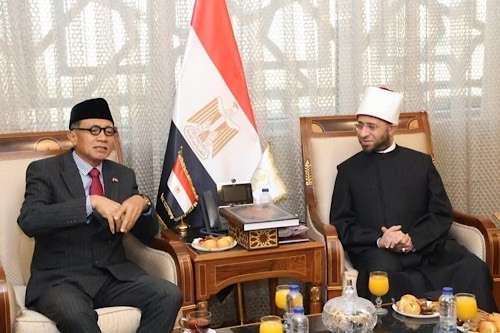
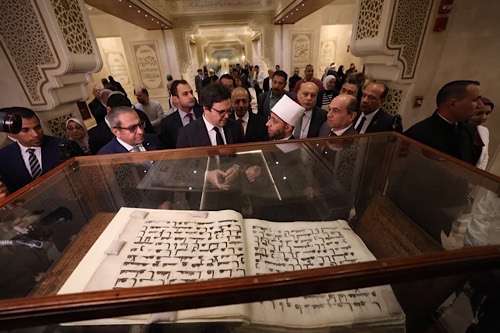
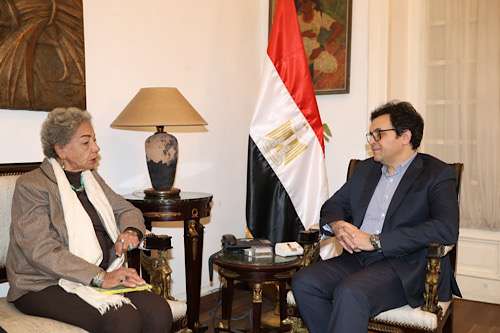
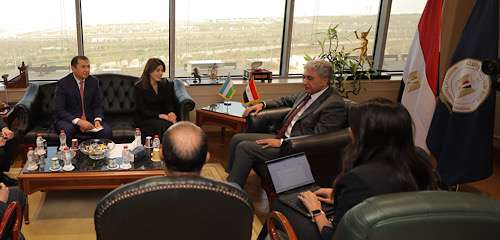
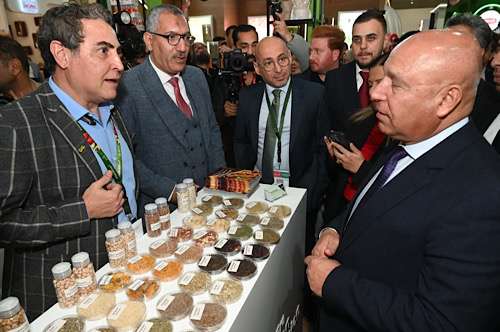
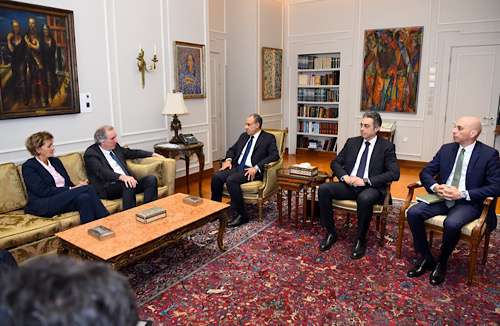
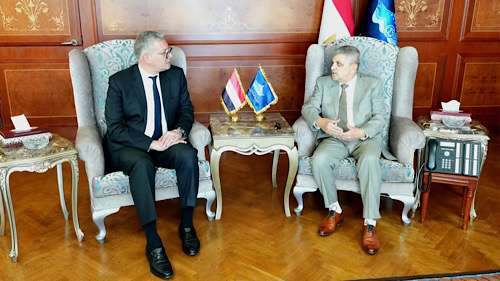
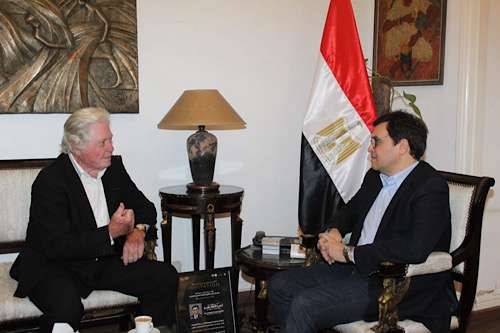
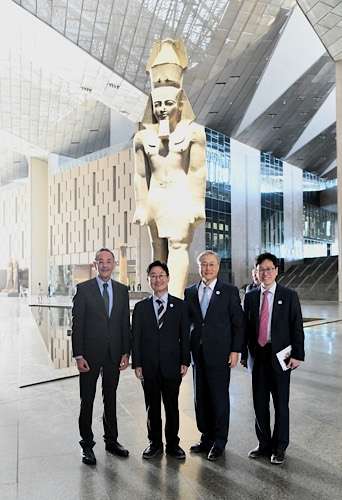
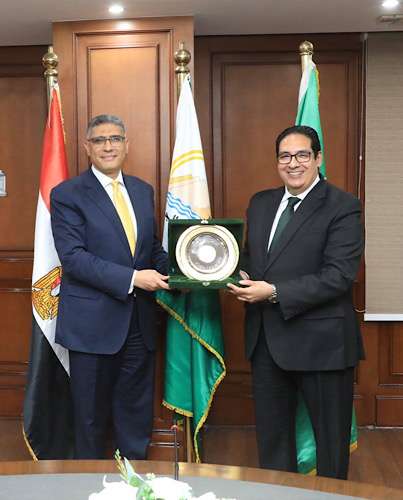
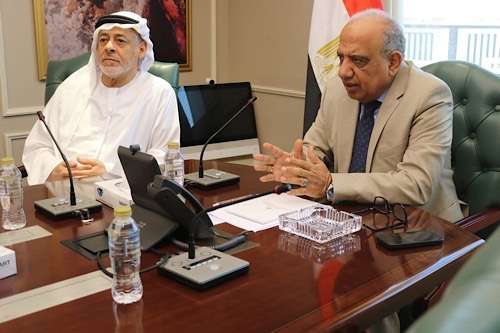
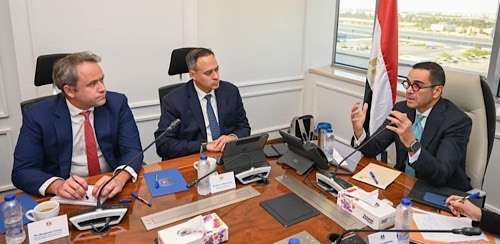
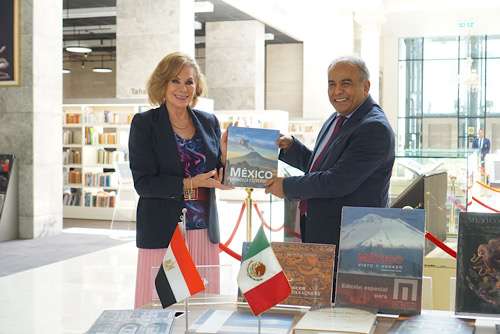
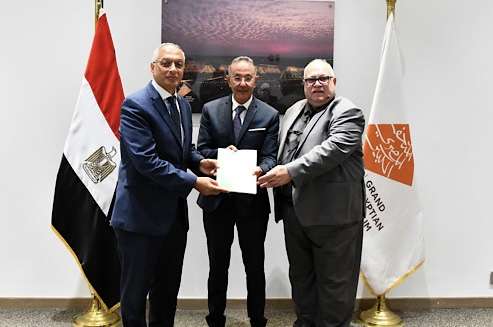
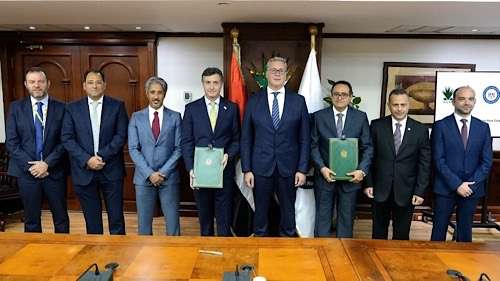
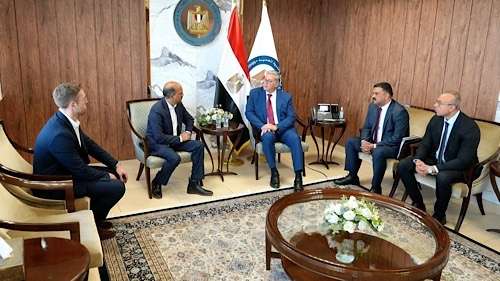
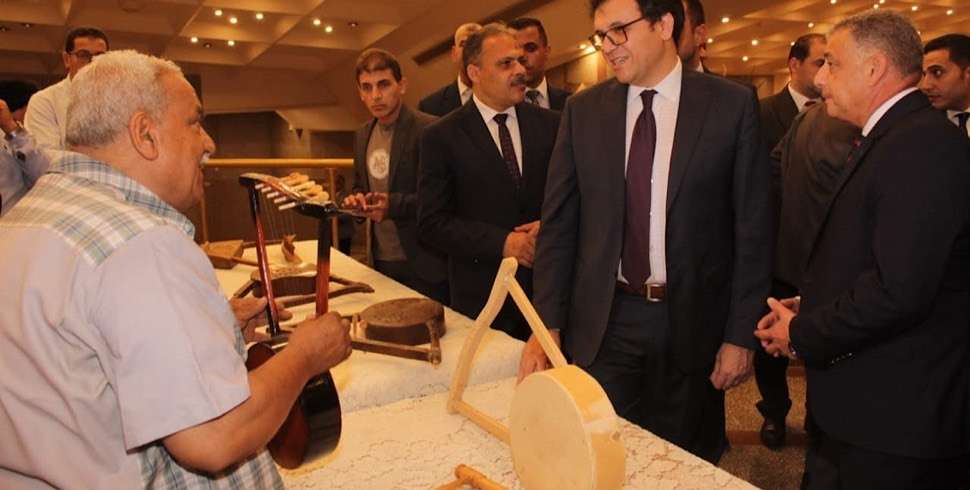
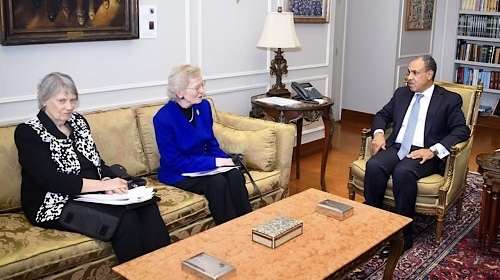
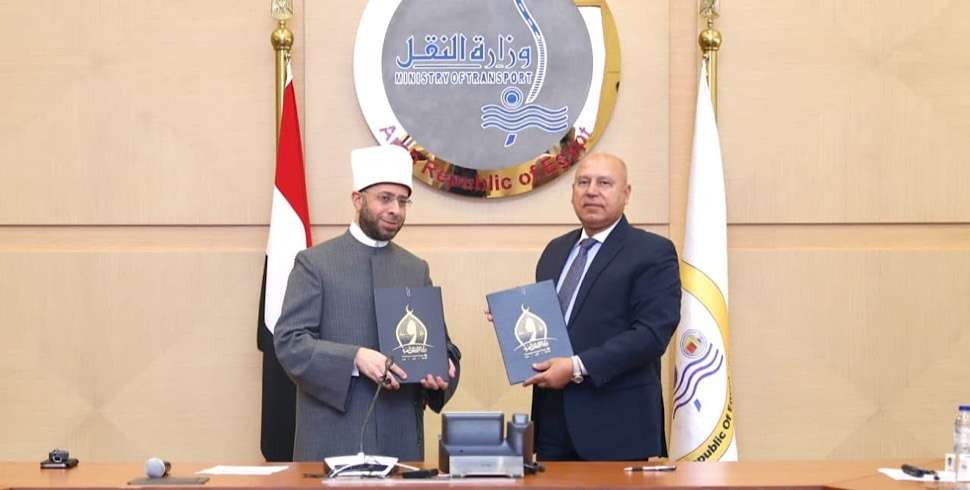
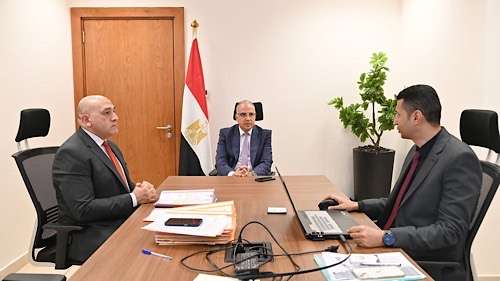
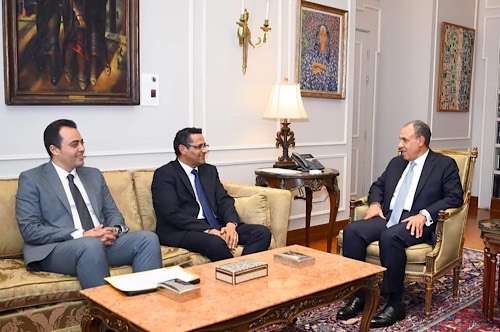
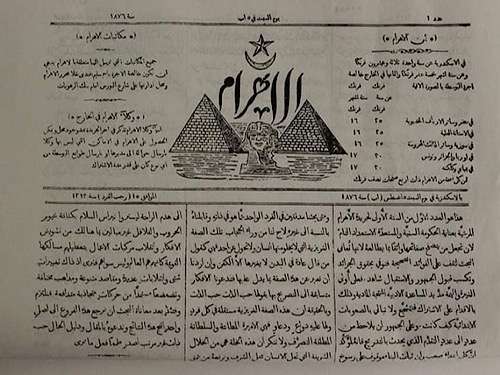
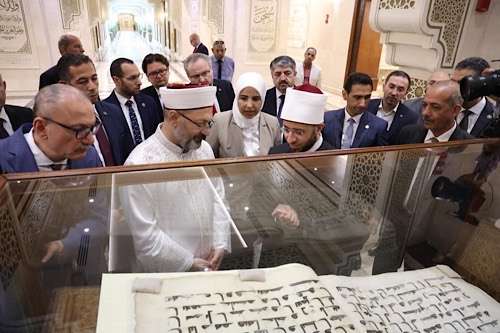
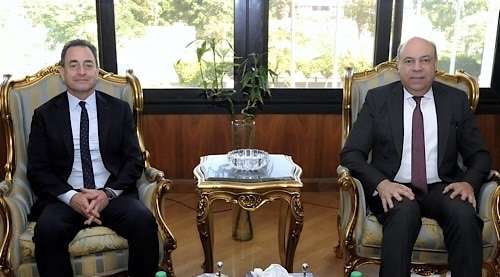
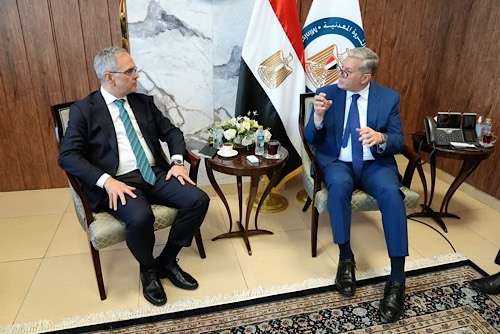
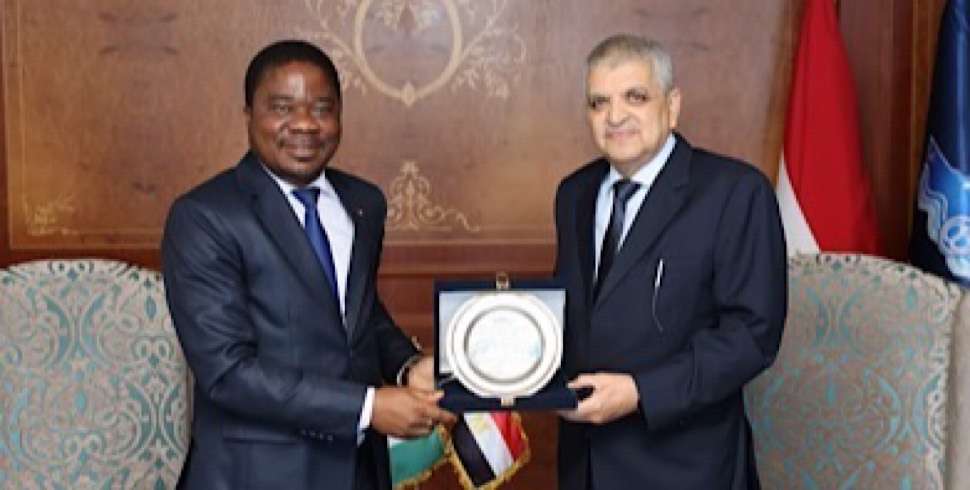
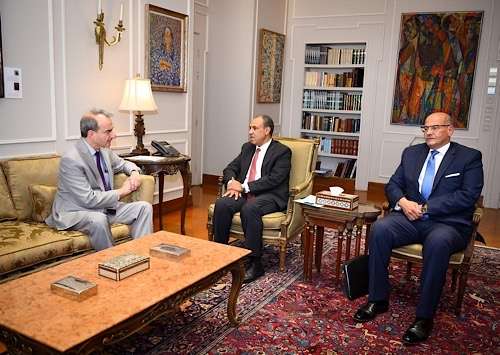
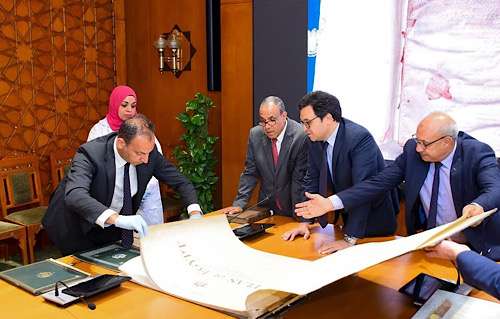
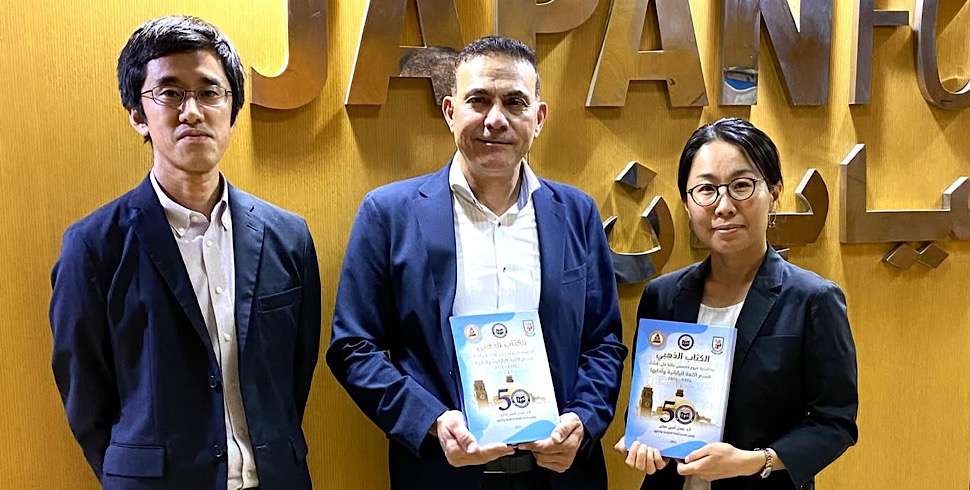
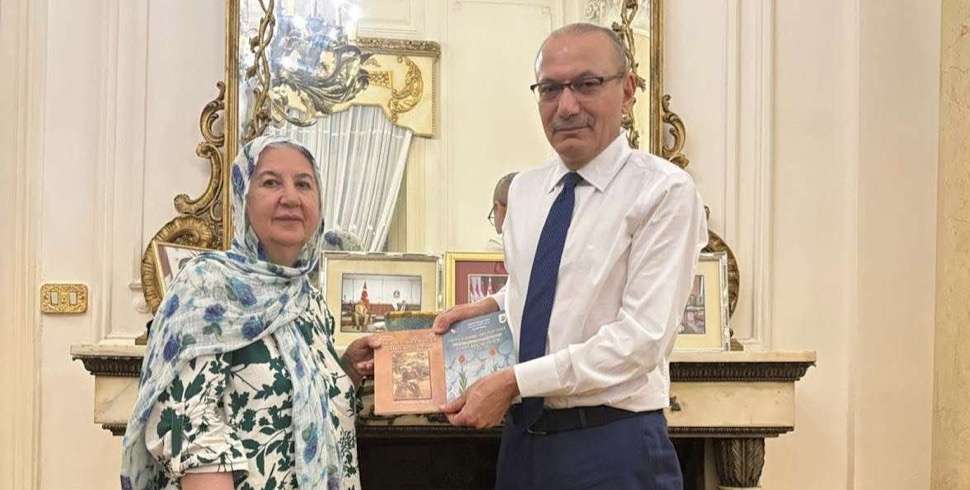
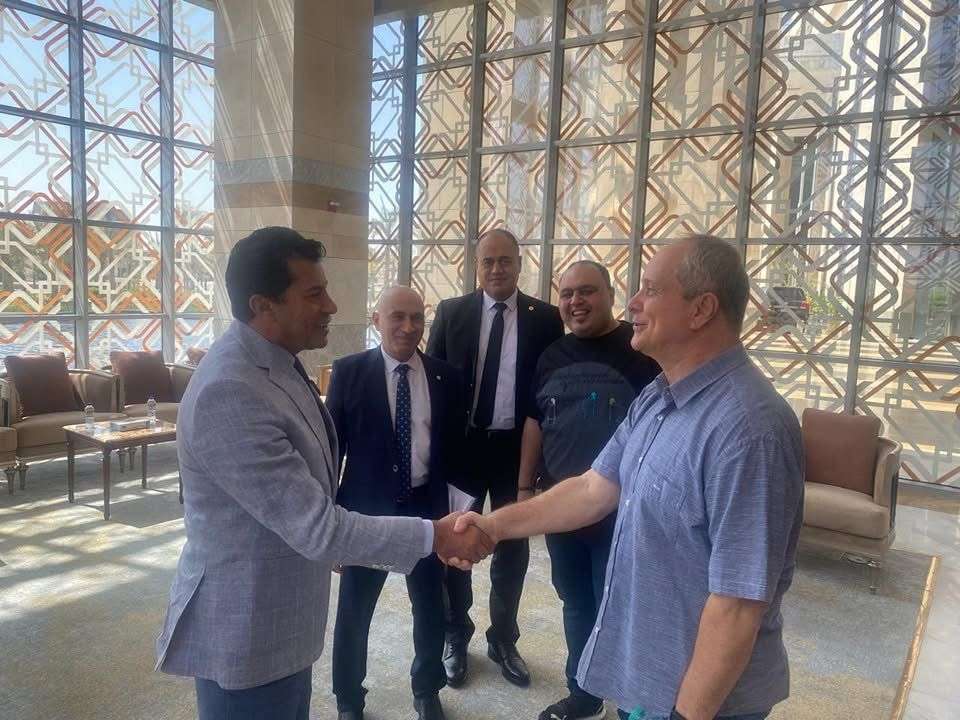
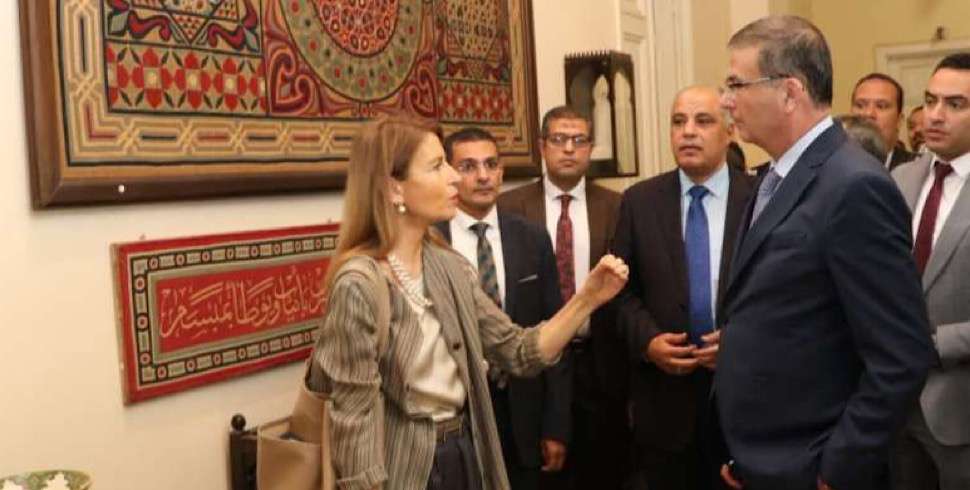
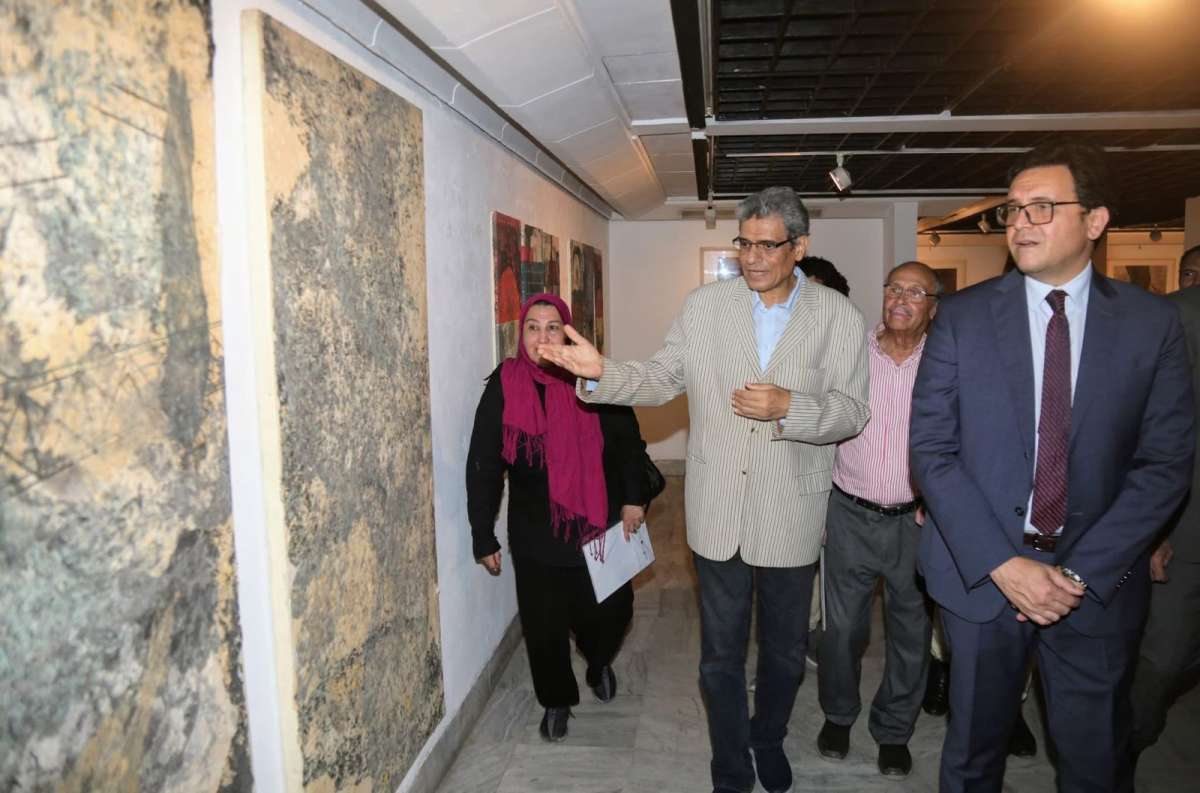
Additionally, the museum received a distinguished delegation from the National Library and Archives Authority, led by Professor Dr. Osama Talaat, as part of celebrations marking the authority’s 155th anniversary. Discussions focused on enhancing collaboration in document and manuscript restoration, enriching the NMEC library with valuable books and references, and leveraging the museum's expertise and laboratory resources for the conservation of Egypt’s documentary heritage.

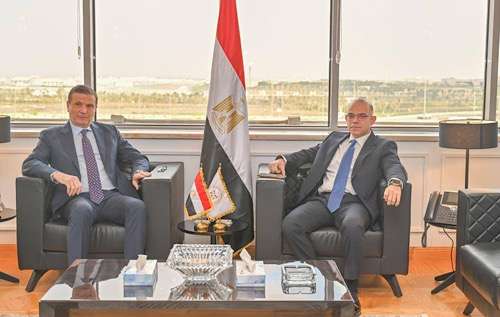
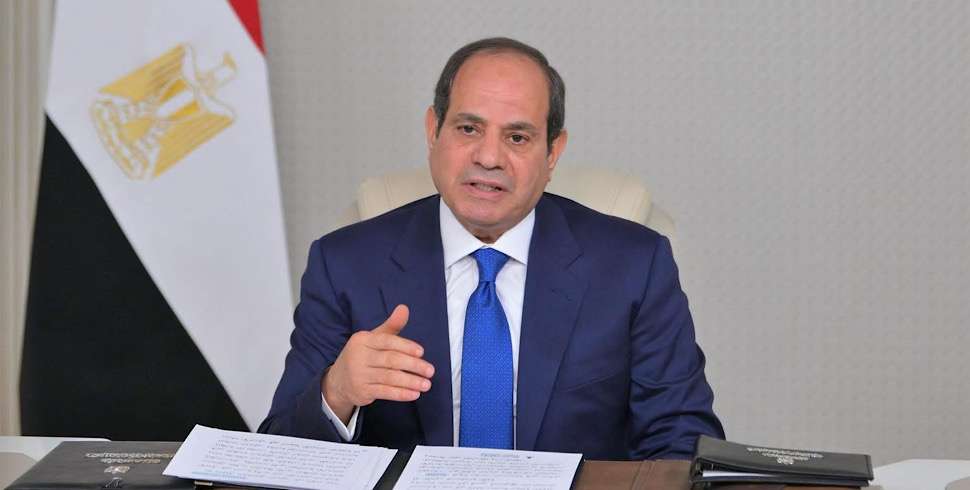
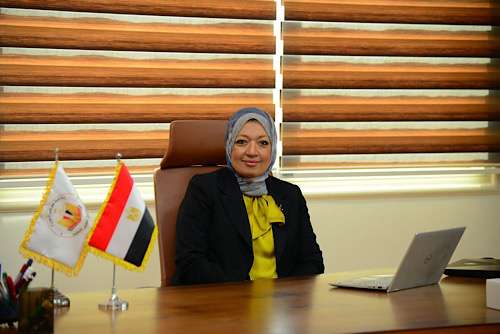
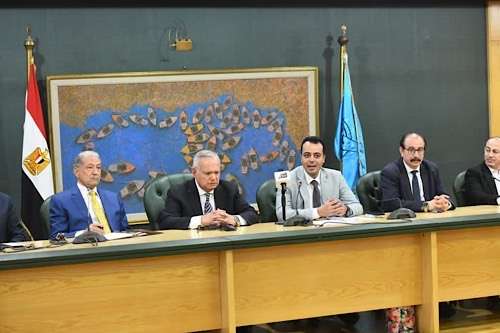
Dr. Tayeb Abbas, CEO of NMEC, stated that these initiatives are part of the museum’s broader strategy to advance its role as a fully integrated research and training center. He emphasized the museum’s ongoing commitment to welcoming researchers and students, expanding avenues of collaboration with universities and scientific institutions at home and abroad.
Through these visits and scientific programs, Dr. Abbas explained, NMEC aims to build bridges with academic and cultural organizations, solidifying its standing as a beacon of knowledge and scientific excellence that helps prepare a new generation of specialists dedicated to safeguarding Egyptian heritage using cutting-edge scientific methods.
Dr. Nashwa Gaber, Deputy Director for Archaeological Affairs, highlighted the unique added value of the museum’s laboratories in the fields of analysis and restoration, crediting them with directly supporting academic research and studies.
Dr. Mostafa Hafez, head of scientific laboratories at NMEC, noted that the museum provides a comprehensive scientific environment, giving students and researchers access to the latest technologies alongside professional technical and academic support across related disciplines.
Through these ongoing partnerships and initiatives, the National Museum of Egyptian Civilization continues to shine as a center for scientific collaboration, innovation, and the preservation of world heritage for generations to come.