



































































































































































































































































































































































































































































































































































































































Friday, 09 October 2026
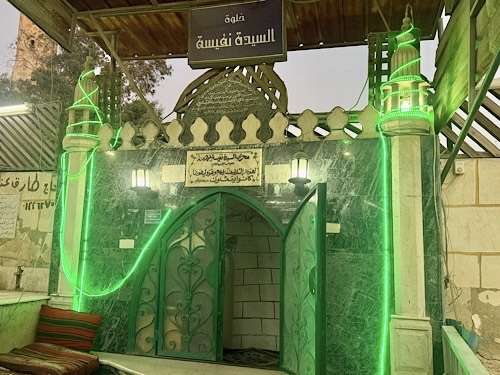
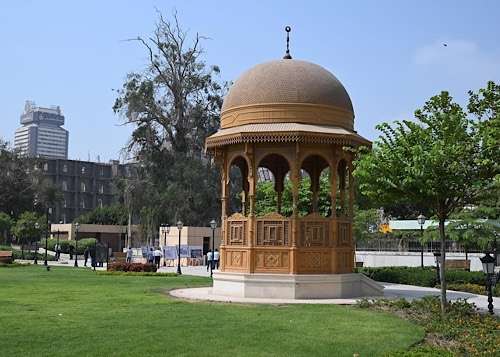
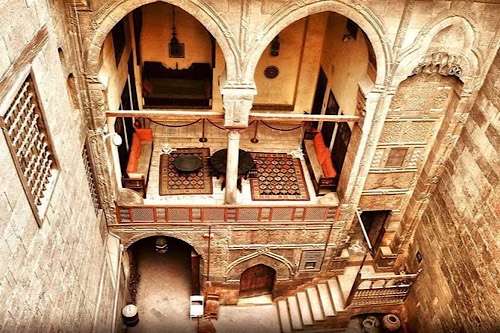
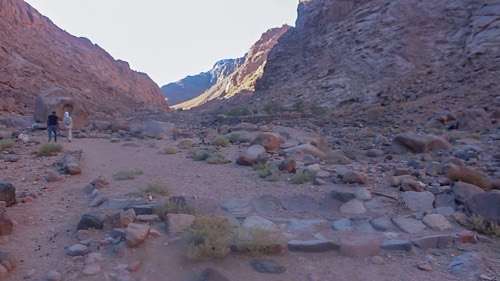
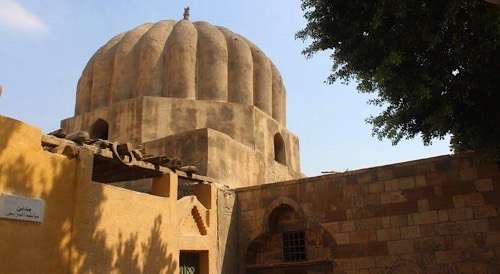
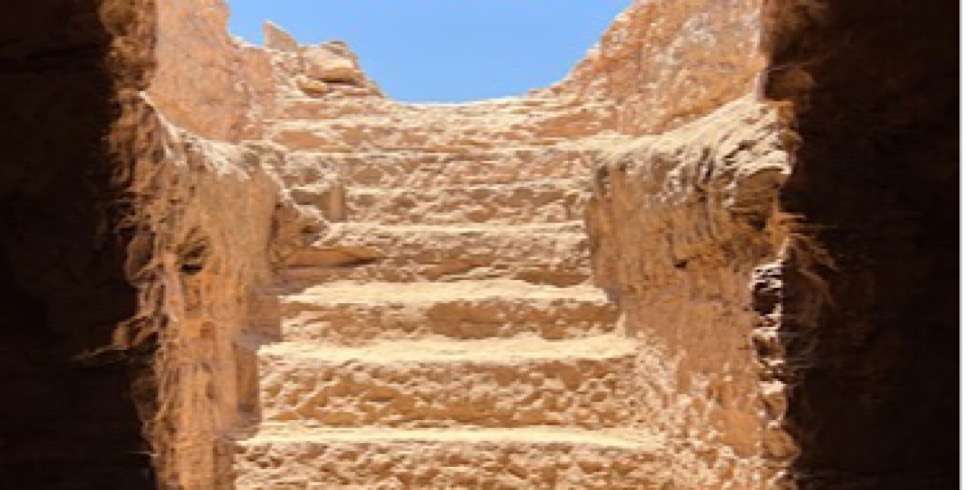
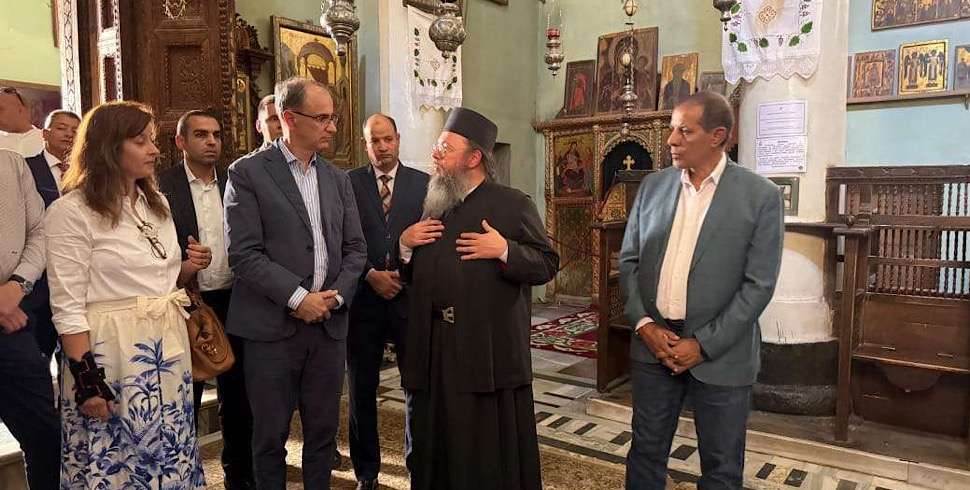
Nestled on the gentle slopes of Jabal al-Muqattam, overlooking the vibrant heart of Cairo, lies a peaceful sanctuary that feels like a slice of paradise. This is the khalwa, the secluded prayer chamber, of Sayyida Nafisa, a cherished descendant of the Prophet Mohamed (peace be upon him).
Surrounded by the mosques of other Sufi saints such as Ahmad ibn Ata’illah al-Iskandari and Abdullah ibn Abi Jamra, this sacred site draws pilgrims longing for solace. Within its tranquil walls stands a humble mihrab (prayer niche), marking the place where Sayyida Nafisa once worshipped in private, shielded from worldly distractions.
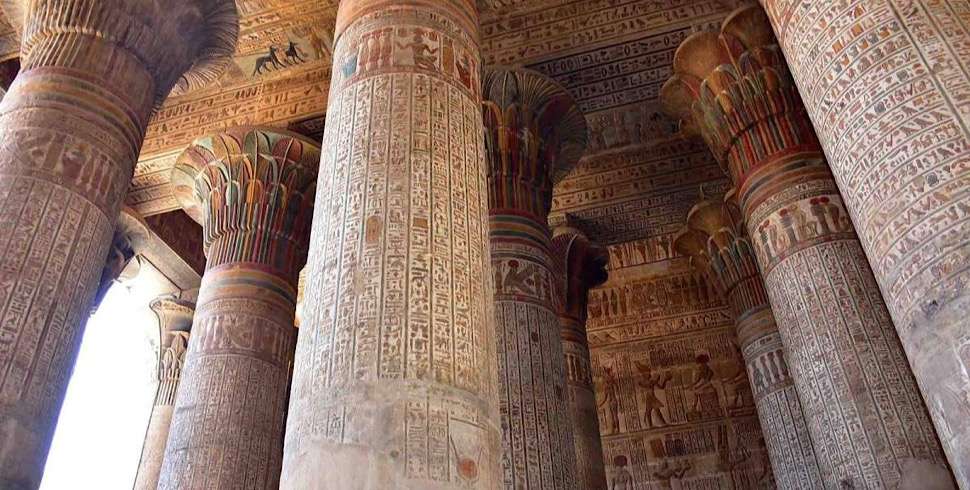
Timeless inscriptions adorn the walls: heartfelt invocations such as *“O Allah, You are Generous and love forgiveness, so forgive us,”* verses from Surah Yasin, and blessings upon the Prophet. At the entrance, a simple plaque announces:
”The Mihrab of Sayyida Nafisa, may Allah be pleased with her… ‘For them will be the Home of Peace with their Lord, and He will be their ally for what they used to do.’ – Allah has spoken the truth.”
Here, devotees raise their hands in supplication, echoing centuries of faith and longing.
Sayyida Nafisa, formally known as Nafisa bint al-Hasan al-Anwar ibn Zayd al-Ablaj ibn al-Hasan al-Sibt ibn Ali ibn Abi Talib, shines brightly in the annals of Islamic history.
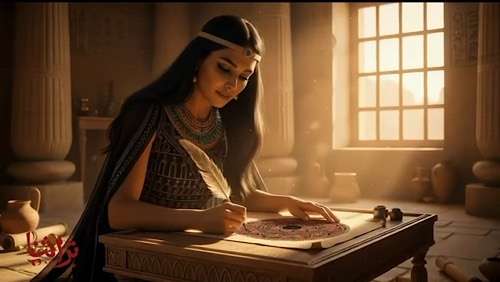
Born in Mecca on the 11th of Rabi’ al-Awwal in 145 AH (762 CE), accounts say her birth even coincided with the Prophet’s own birth night. At the age of five, her family moved to Medina, where young Nafisa immersed herself in the teachings of the Prophet’s Mosque, excelling in the study of hadith and fiqh. Even before her teens, she had earned the title Nafisat al-‘Ilm (Nafisa of Knowledge).
Blessed with a keen intellect, she memorised the entire Quran and became a respected teacher, transmitting hadith and guiding students, including the illustrious Imam al-Shafi’i, founder of the Shafi’i school of jurisprudence.
At sixteen, Nafisa married Ishaq al-Mu’tamin, son of Imam Ja’far al-Sadiq. Their family blossomed, and though she lived humbly in Medina, devoted to prayer and fasting, fate called her to Egypt.
In 193 AH (809 CE), during Ramadan, she and her family arrived in al-Arish, where word of her piety had already swept ahead of her. Egyptians flocked to greet her, crowding in Cairo to seek her wisdom until it nearly overwhelmed her solitary worship. In response to her plea for privacy, the city’s governor, al-Sari ibn al-Hakam, intervened by offering her a spacious home (the present site of her mosque) and limiting visits to just twice a week.
In Egypt, her presence became a source of blessing. Sayyida Nafisa welcomed scholars, gave generously to the needy, and, according to tradition, performed miracles, over 150 are attributed to her.
Tales tell of healing the paralysed, bringing rain during droughts, and restoring sight to the blind. One much-loved story recalls the miraculous healing of a young Jewish girl through Sayyida Nafisa’s ablution water, which led her family to embrace Islam. Another legend describes how, after her passing, thieves who had robbed her mosque returned what they had taken, having received a spiritual admonishment in their dreams.
Her influence reached far: her prayers were sought by great scholars like Imam al-Shafi’i, who, upon his death in 204 AH (820 CE), requested to be buried near her feet, a request that was lovingly fulfilled.
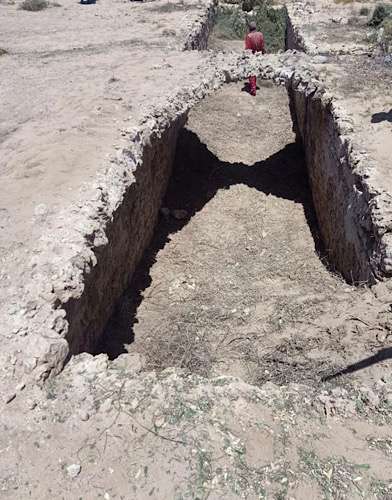
As her own death approached in 208 AH (824 CE), Sayyida Nafisa spent her days in deep worship, even digging her own grave in her home and reciting the Quran there hundreds of times. She passed away, still fasting in Ramadan, having just recited verses of divine mercy.
Initially her husband wished to return her body to Medina but the Egyptians, with the governor’s support, begged for her to remain in Cairo, paying 100,000 dirhams to honour her with a shrine in the city she had come to love.
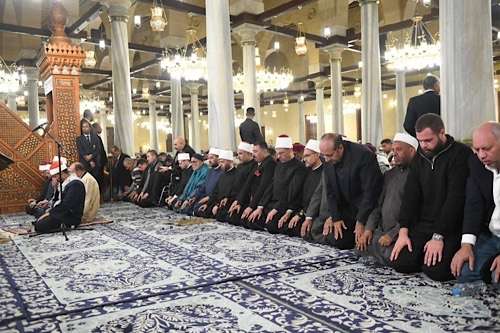
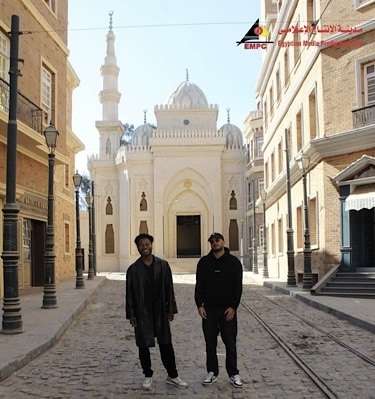
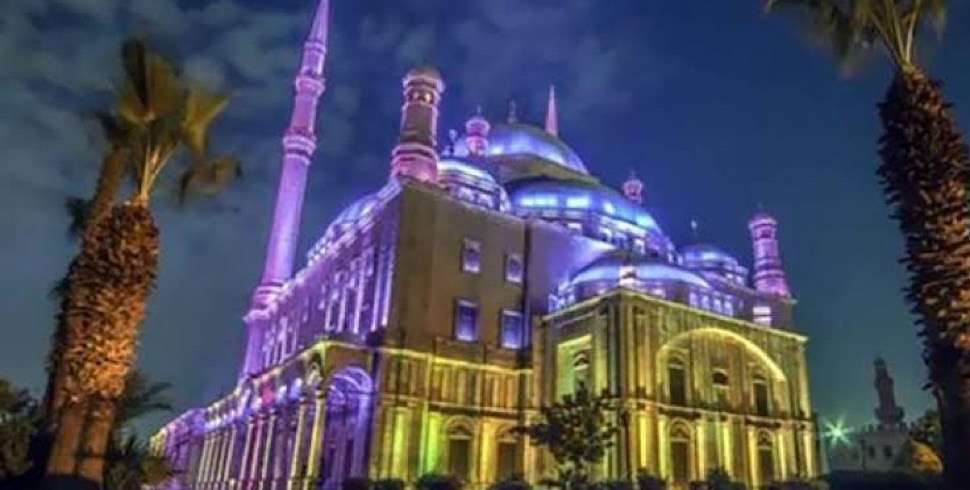
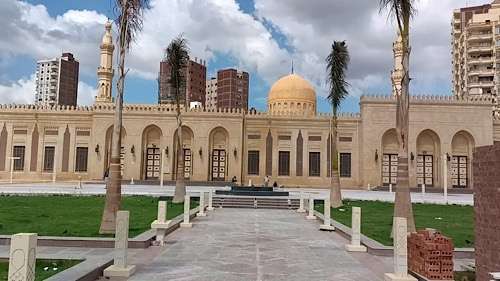
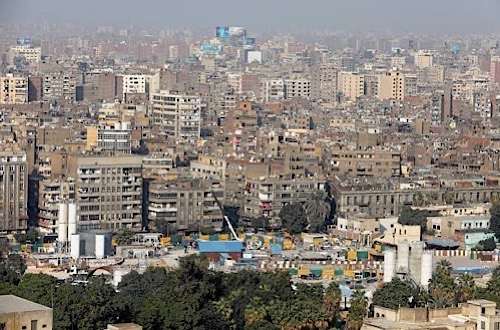
The Al-Sayyida Nafisa Mosque, which now houses her mausoleum, has evolved through the ages. Enhanced by the Fatimids in the 10th century and rebuilt in 1897 under Ottoman influence, it features elegant minarets, a silver-domed shrine, and delicate arabesques. Nestled within Cairo’s Southern Cemetery, known as the “City of the Dead,” the mosque is part of a UNESCO World Heritage Site and remains a vibrant place of devotion and remembrance.
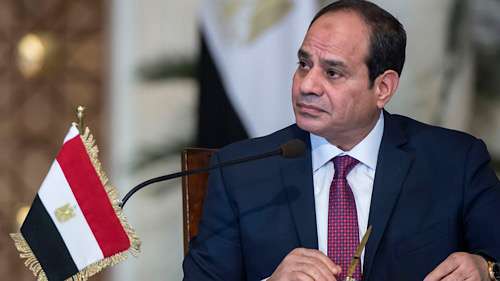
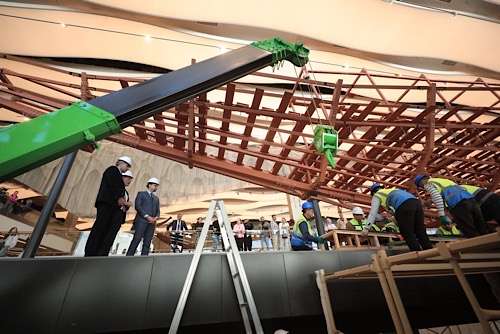
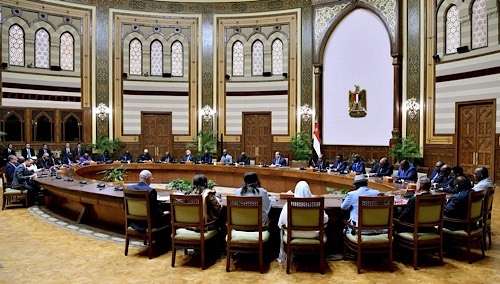
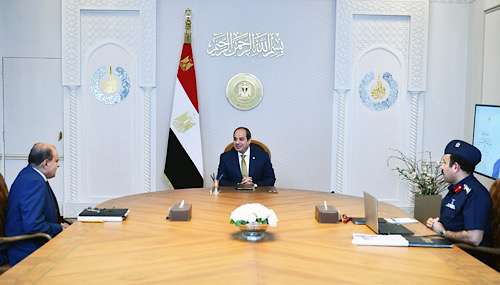
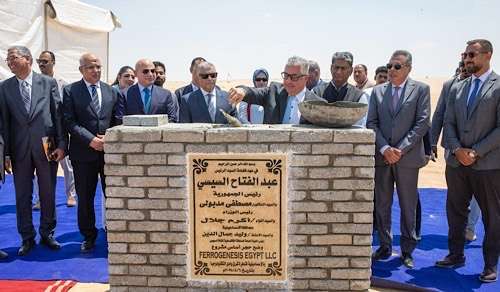
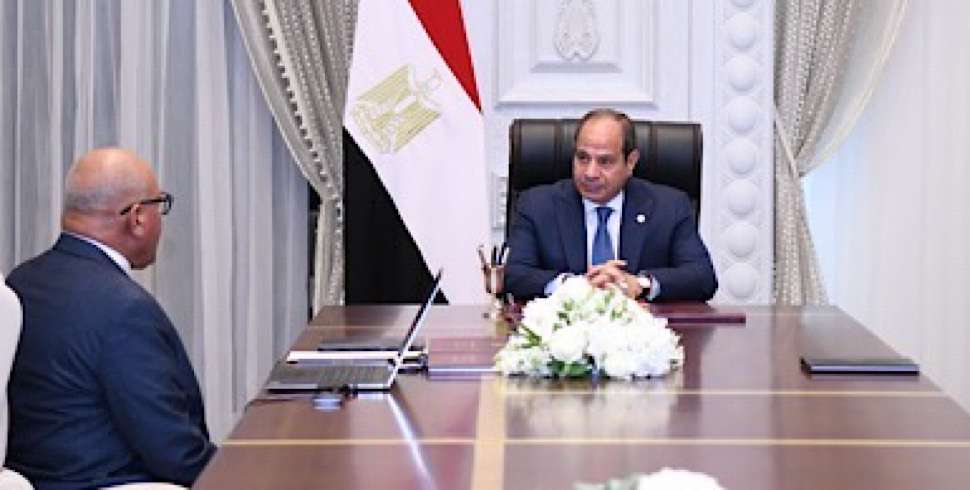
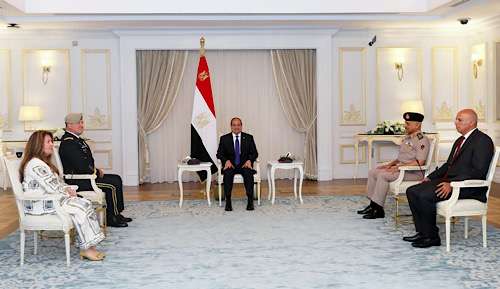
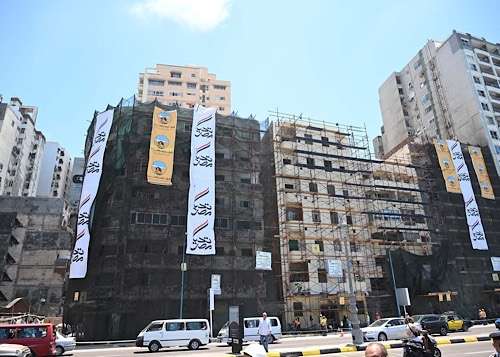
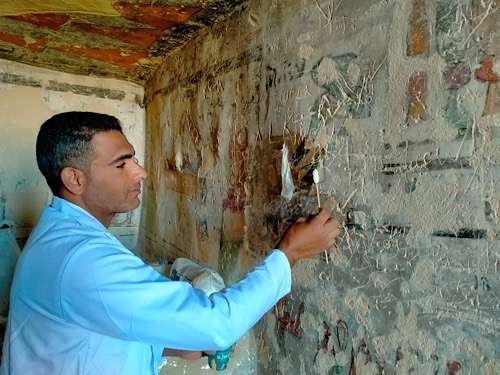
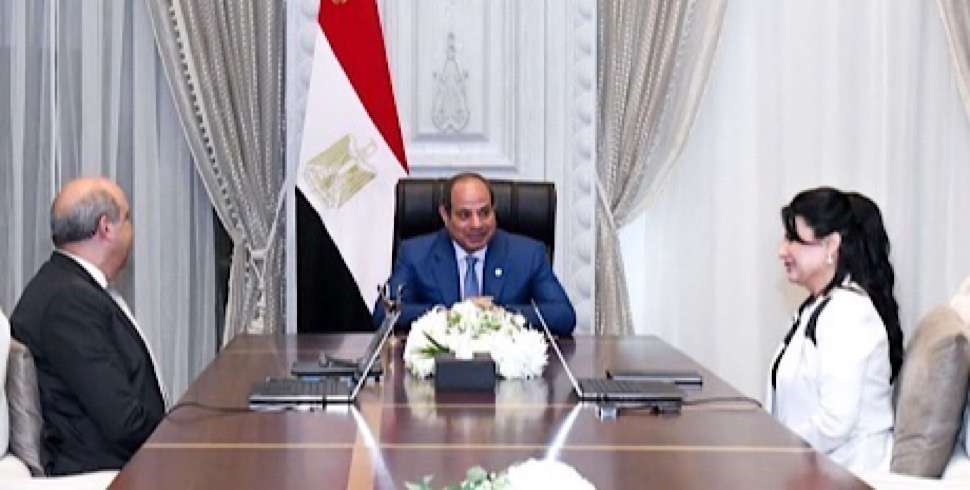
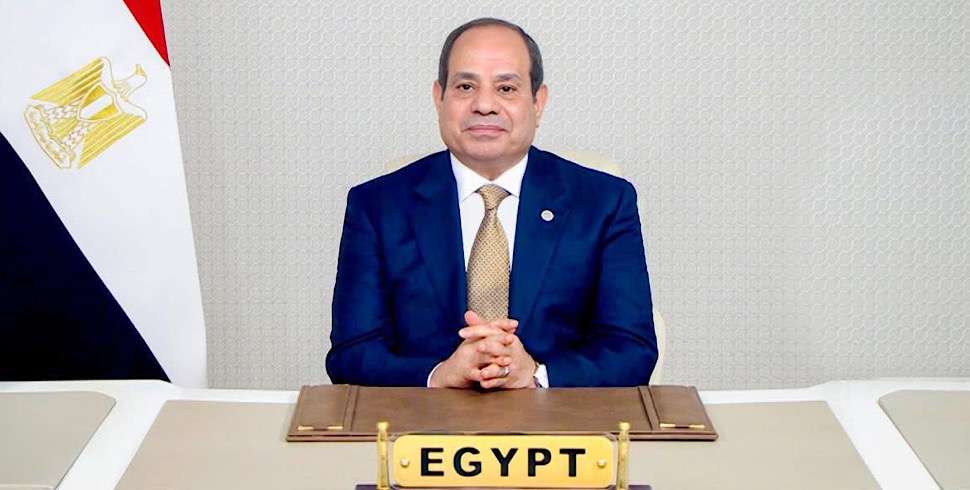
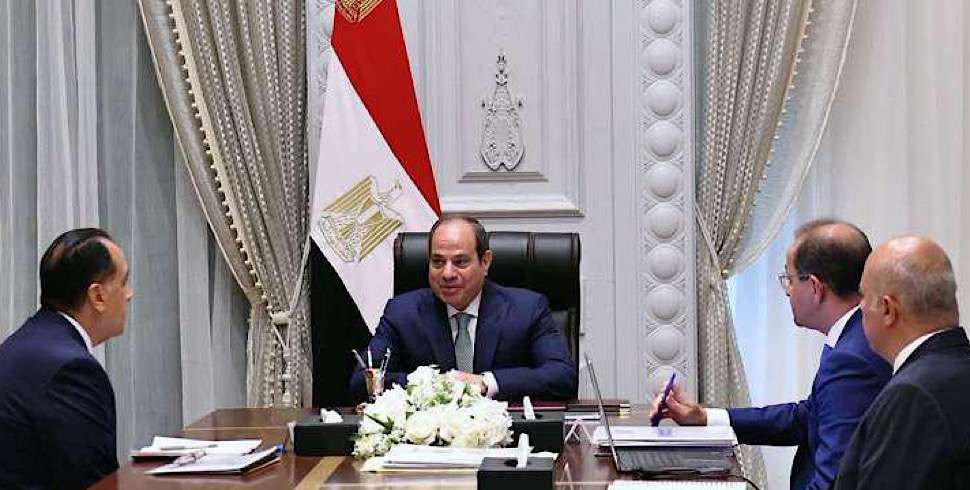
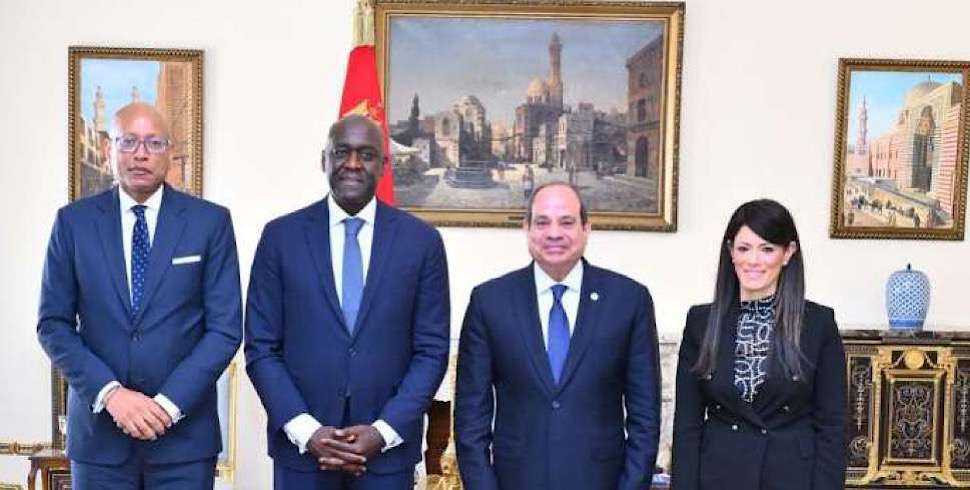
Today, the sanctuary shines as ever, pulsing with life. Pilgrims, especially women, visit to seek her baraka (blessings), tie strips of cloth to the shrine’s grille, and pray for her intercession. Her birthday, celebrated annually, draws thousands in joyful processions. In June 2023, President Abdel Fattah el-Sisi inaugurated renovations to safeguard the mosque’s heritage for generations to come.
But Sayyida Nafisa’s true legacy transcends bricks and mortar. She stands as a radiant symbol of women’s scholarship, spiritual devotion, and compassion in Islam, uniting both Sunni and Shiite traditions. Her story, woven into Egypt’s very soul, continues to inspire all who seek wisdom, piety, and kindness.
Despite Cairo’s relentless modern pace, her khalwa remains a sanctuary, a haven where hope, peace, and faith gently endure.
As one recent pilgrim shared, “Here, I feel comfort and happiness; we touch the divine through her blessings. Even on the hottest days, there is a cool breeze around us.”
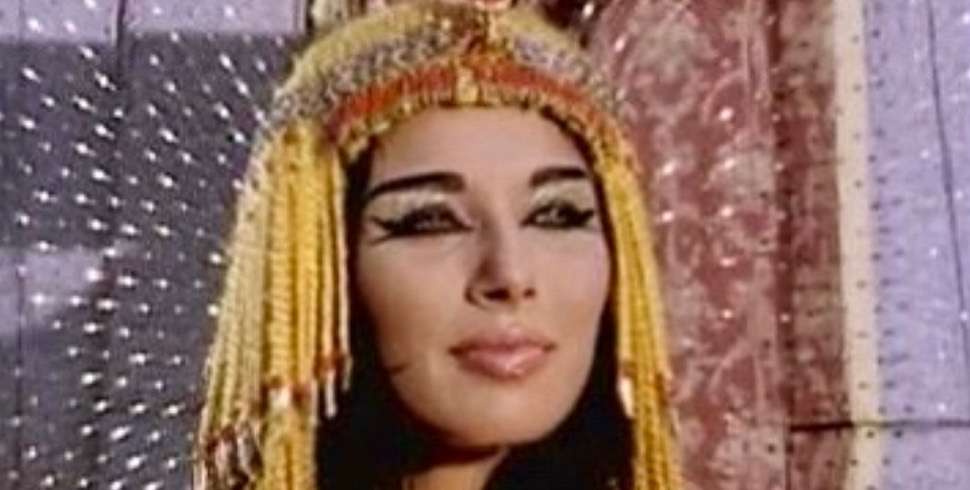
A visitor who regularly prayed there told The Nile Observer that in his youth, he would study by her khalwa, drawn by the serenity of the place. He fondly recalled how the late, beloved actress Shadia would often come with colleagues to pray and sing Sufi hymns.
Sayyida Nafisa’s story continues to guide and inspire, a luminous thread in Egypt’s spiritual tapestry, calling everyone, now as ever, towards knowledge, devotion, and compassion.