













































































































































































































































































































































































































































































































































































































































































































































































































































































































































































































































































































































































































































































































































































































Friday, 09 October 2026
BERLIN – Germany has announced plans to withdraw financial backing from charitable groups engaged in rescuing migrants from the Mediterranean, opting instead to funnel funds toward addressing the root causes driving people to flee their home countries.
For years, migrants escaping conflict and poverty have embarked on dangerous journeys to Europe’s southern shores. Thousands lose their lives annually attempting these crossings, a grim reality as European attitudes toward migration have hardened, according to Reuters.
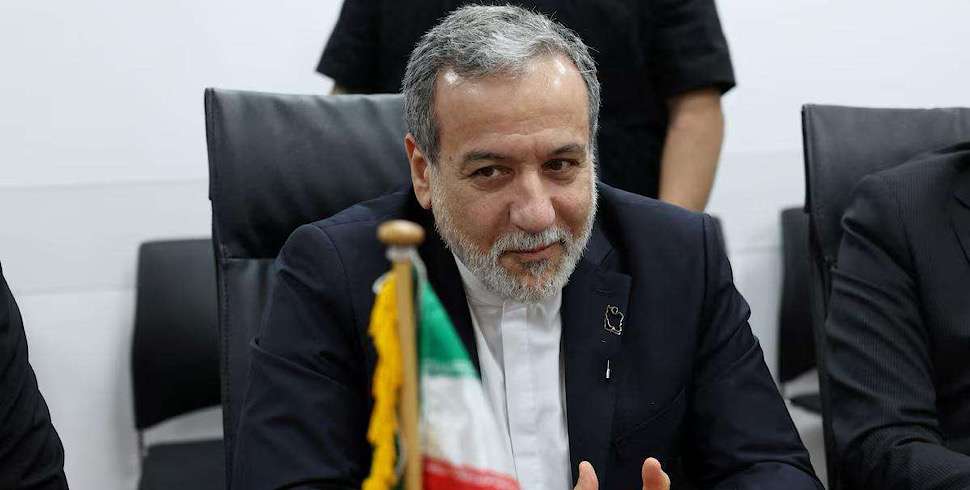
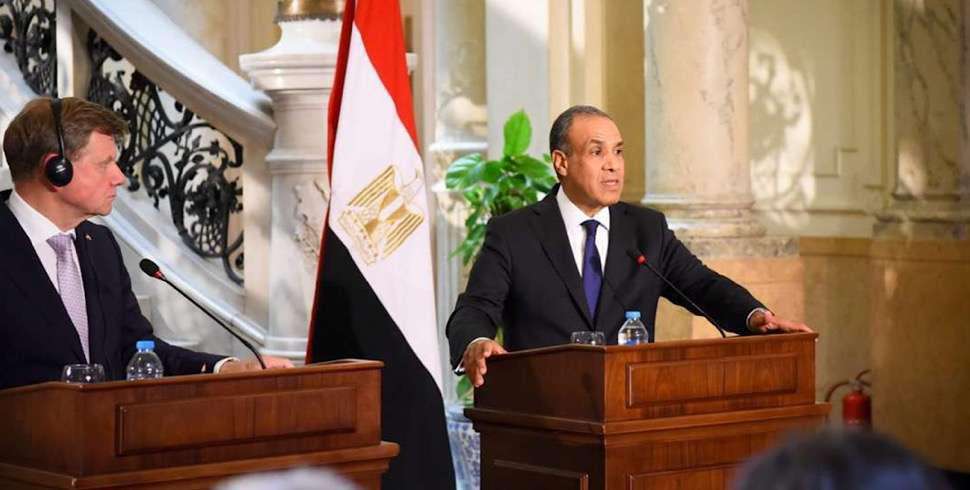
“Germany remains committed to humanity and will offer aid where there is suffering, but I don’t believe funding sea rescue is the responsibility of the foreign ministry,” Foreign Minister Johann Wadephul stated at a news conference.
“We ought to focus our efforts where the need is most acute,” he continued, highlighting the severe humanitarian crisis unfolding in war-torn Sudan.
Under the previous center-left administration, Germany allocated roughly 2 million euros ($2.34 million) each year to non-governmental organizations conducting rescue missions for migrant boats in distress. This support has been vital for groups such as Sea-Eye, which claims rescue organizations have saved 175,000 lives since 2015. Sea-Eye alone received about 10 percent of its 3.2 million-euro budget from government sources.
Chancellor Friedrich Merz’s conservative government rose to power following a February national election centered on promises to rein in irregular migration—a concern many Germans in Europe’s largest economy feel is out of control.
Though overall migration numbers have declined in recent years, many in Germany attribute the surge of the far-right Alternative for Germany (AfD), now the country’s second-largest parliamentary party, to anxieties regarding migration.
Experts largely agree that migration is driven by dire economic and humanitarian circumstances in migrants’ home countries, while tougher policies in destination countries have done little to deter those desperate to leave.
Nonetheless, German officials argue that persistent sea rescues may encourage more people to risk the hazardous journey.
“Government funding enabled additional rescue operations and directly saved lives,” said Gorden Isler, chair of Sea-Eye. “Without that support, we may be forced to remain docked even during emergencies.”
The Greens, who controlled the foreign office when the subsidies were introduced, criticized the decision.
“This will only worsen the humanitarian crisis and intensify human suffering,” said Britta Hasselmann, the party’s joint floor leader.