




































































































































































































































































































































































































































































Friday, 09 October 2026
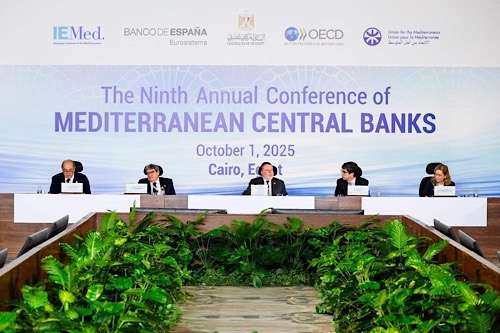
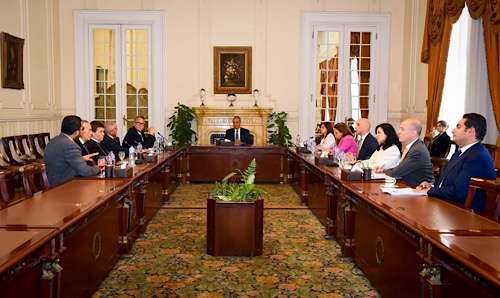
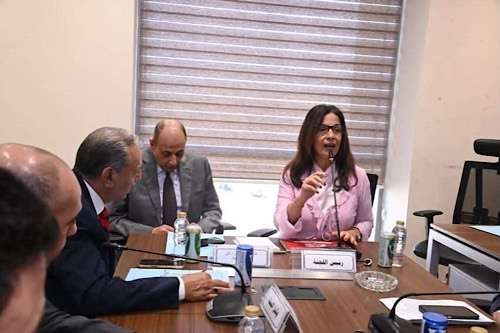
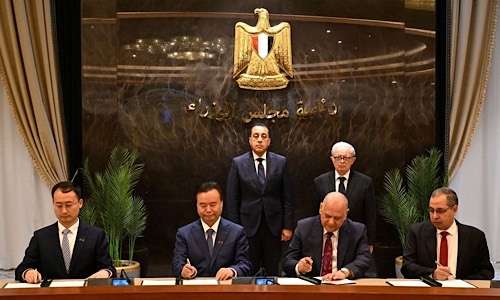
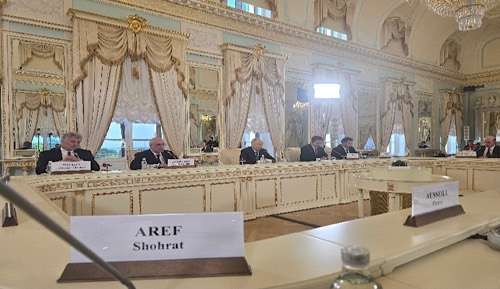
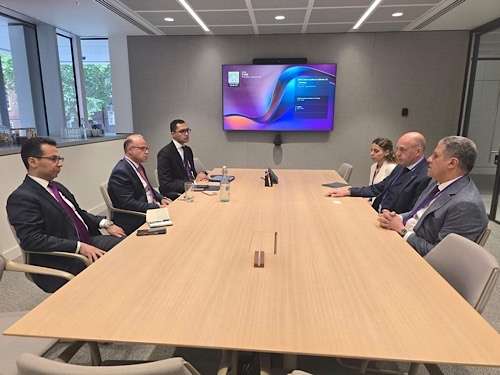
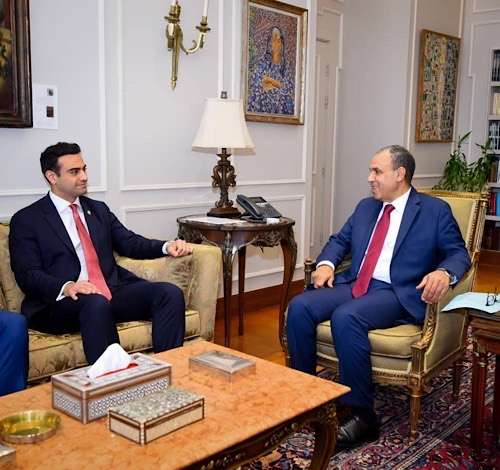
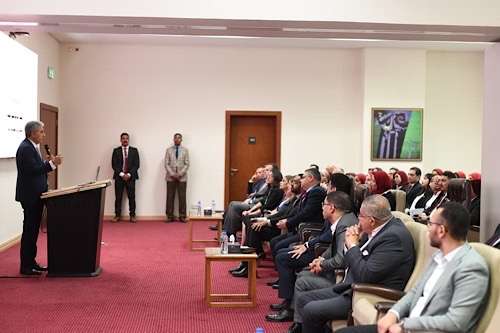
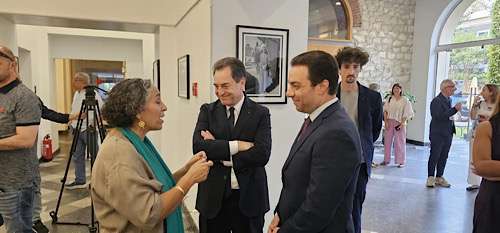
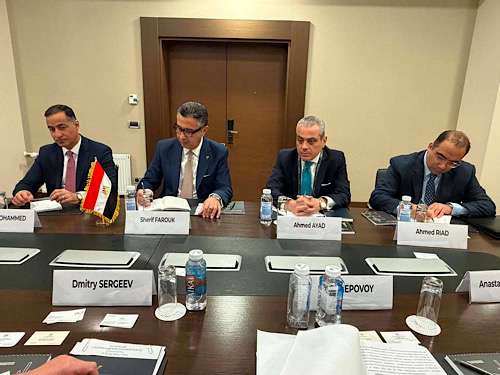
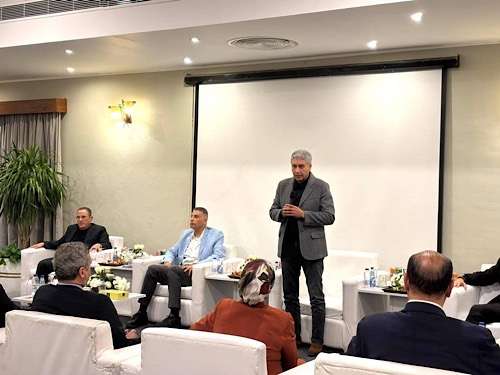
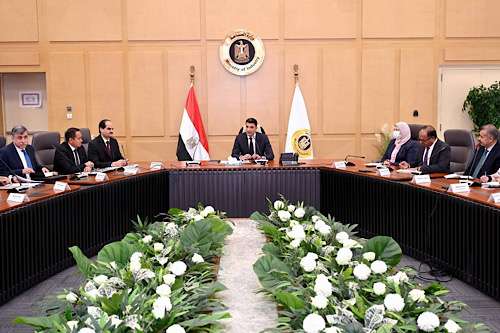
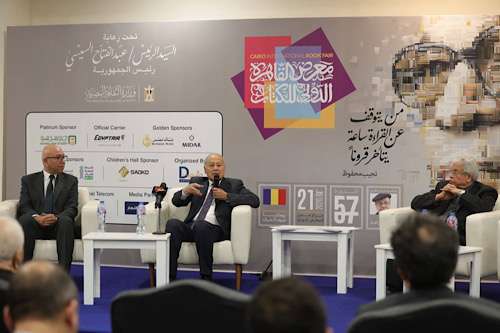
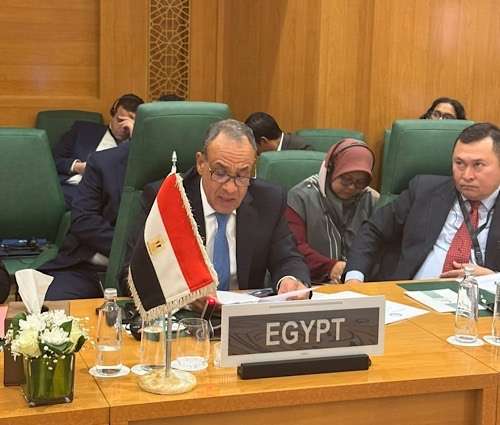
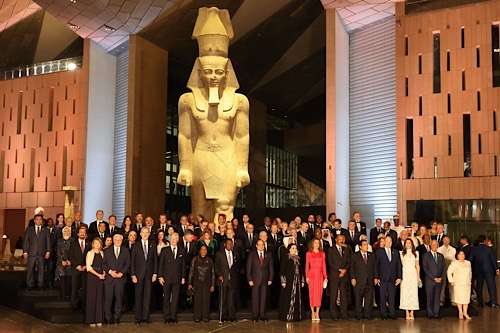
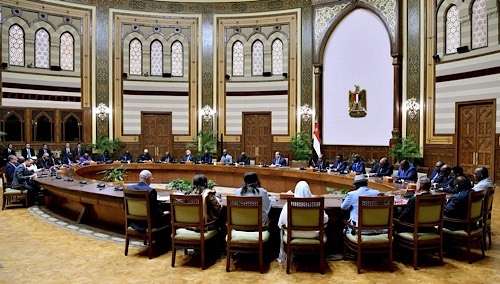
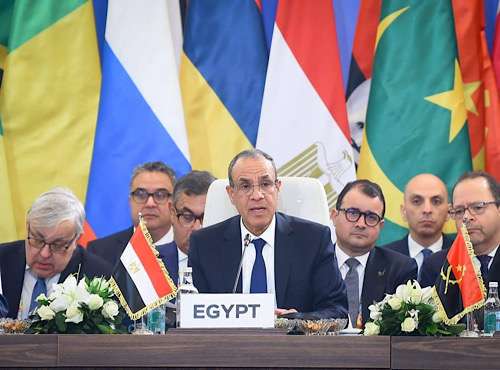
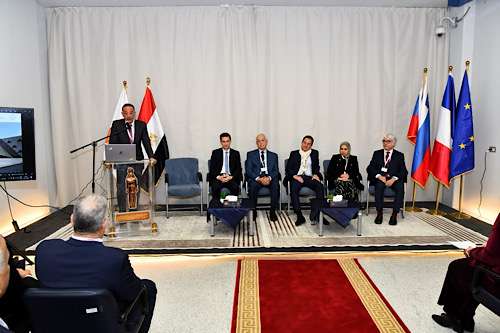
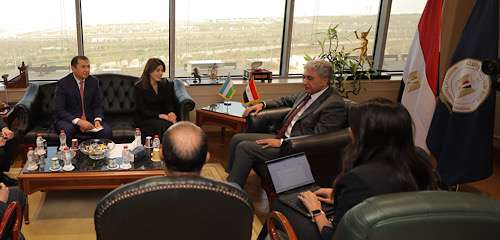
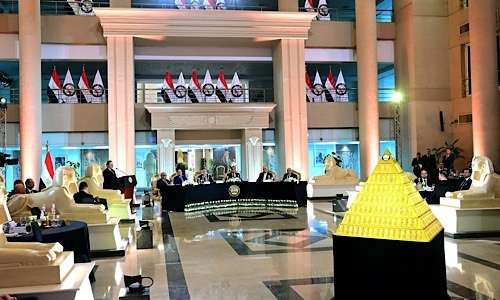
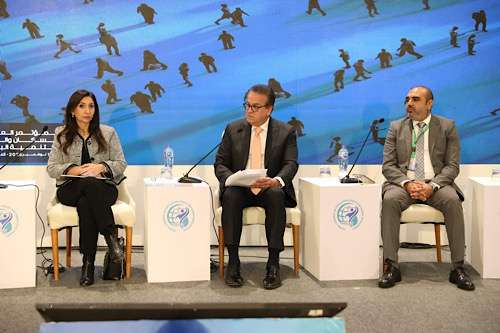
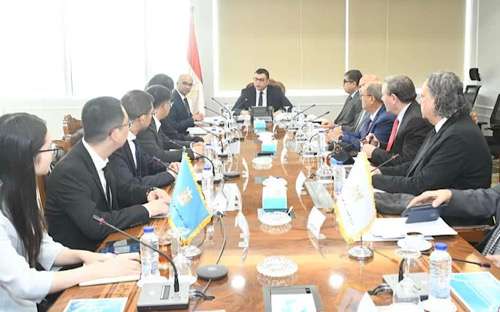
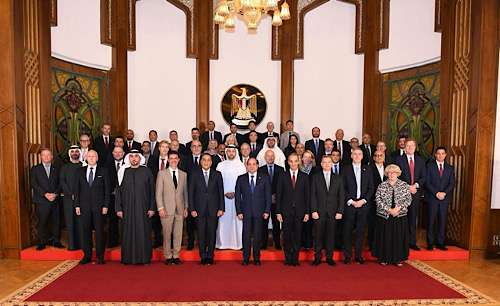
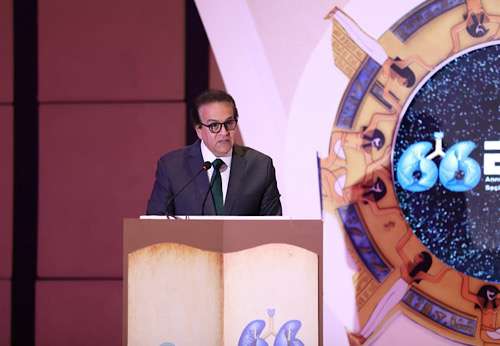
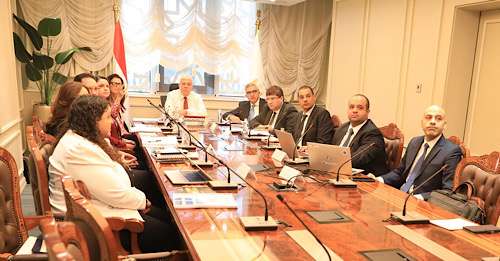
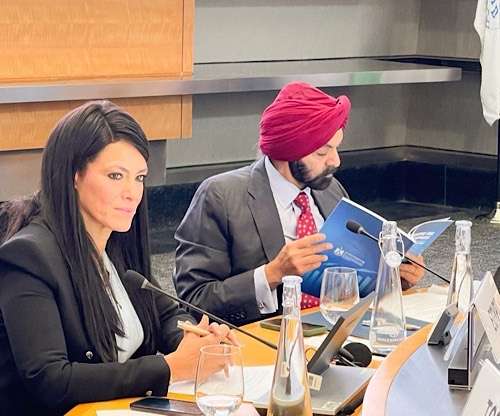
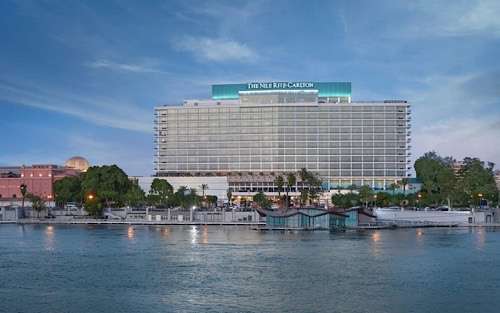
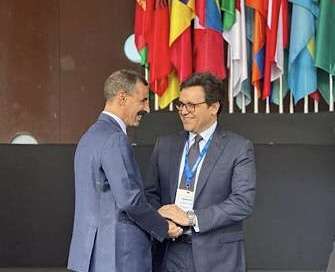
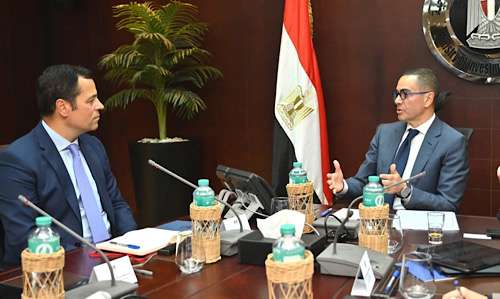
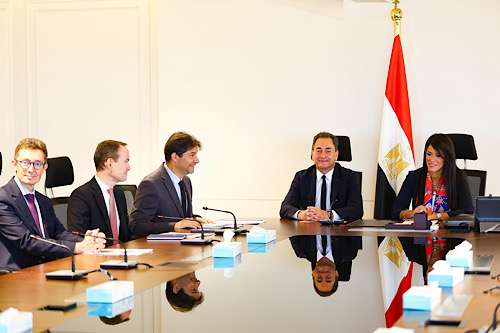
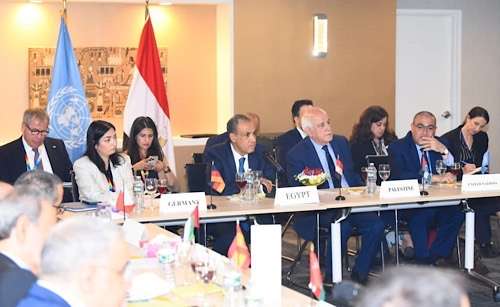
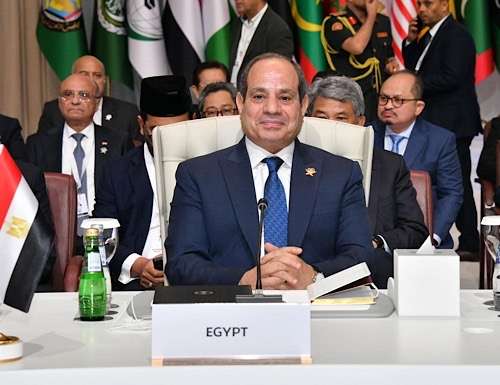
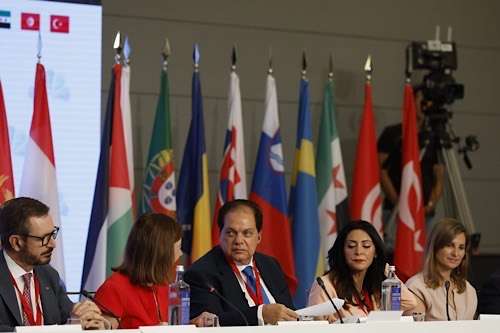
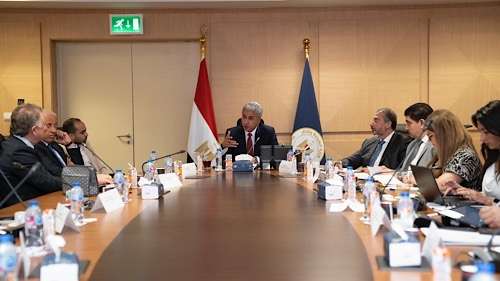
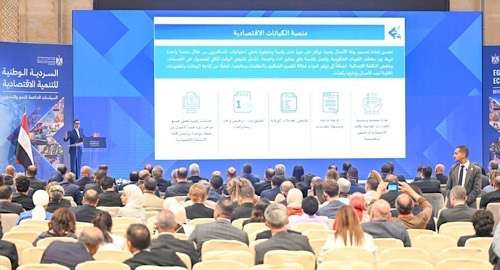
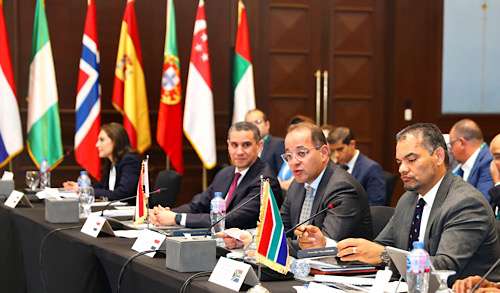
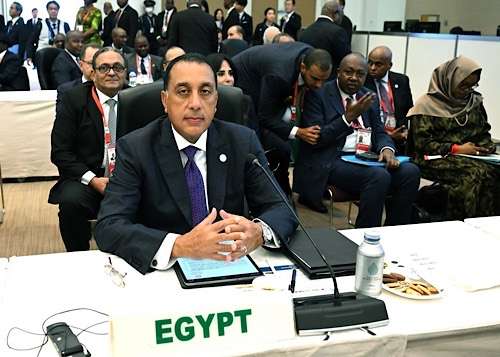
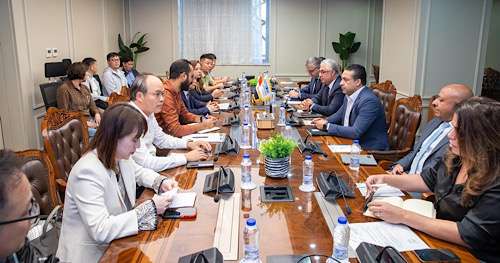
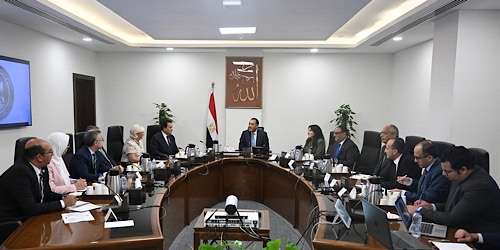
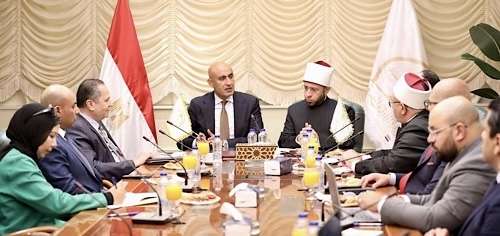
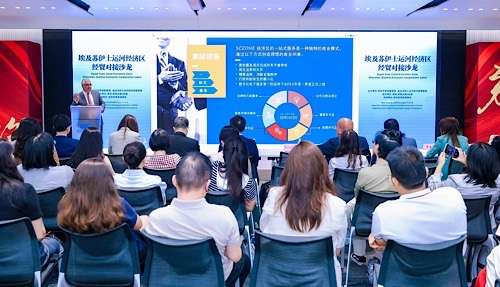
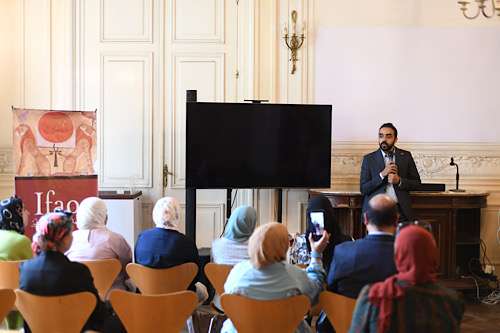
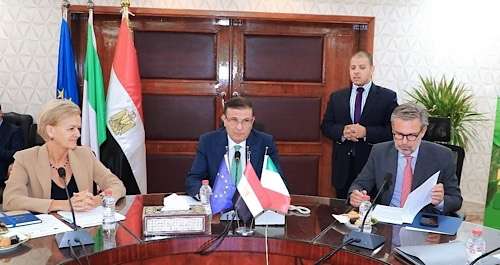
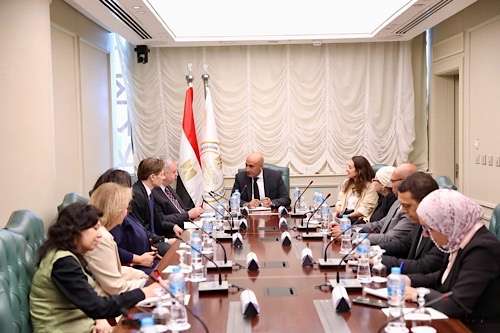
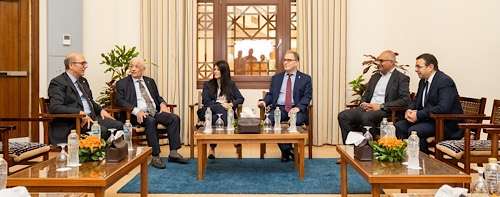
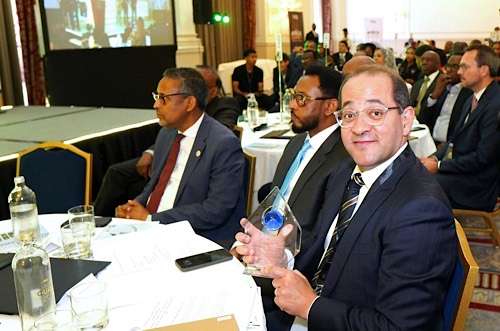
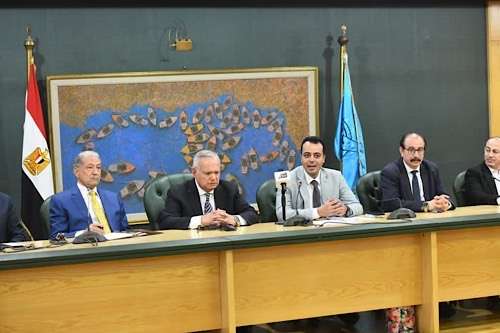
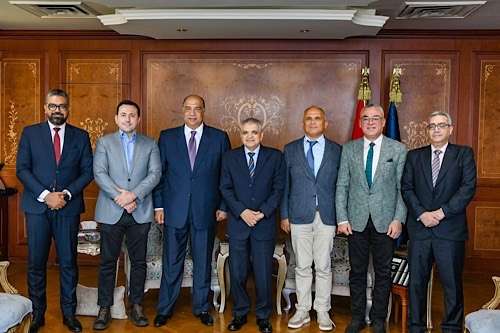
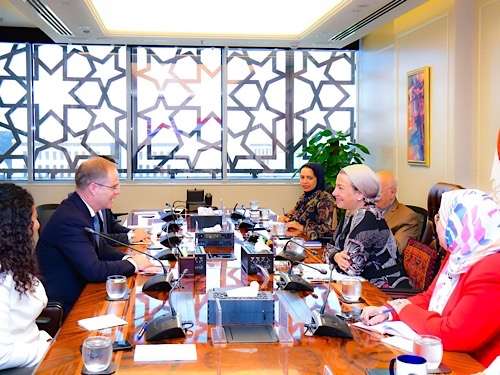
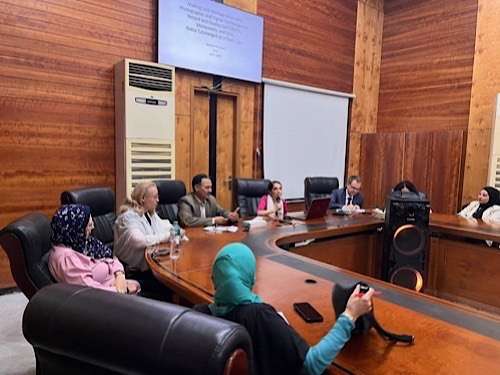
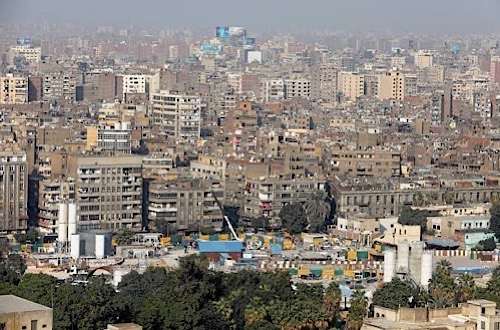
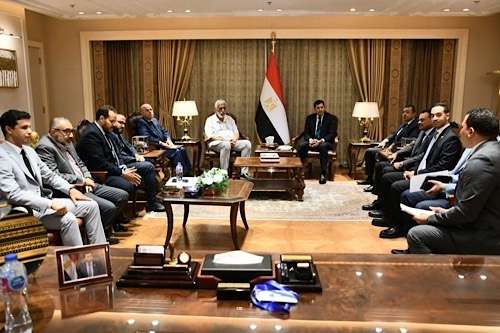
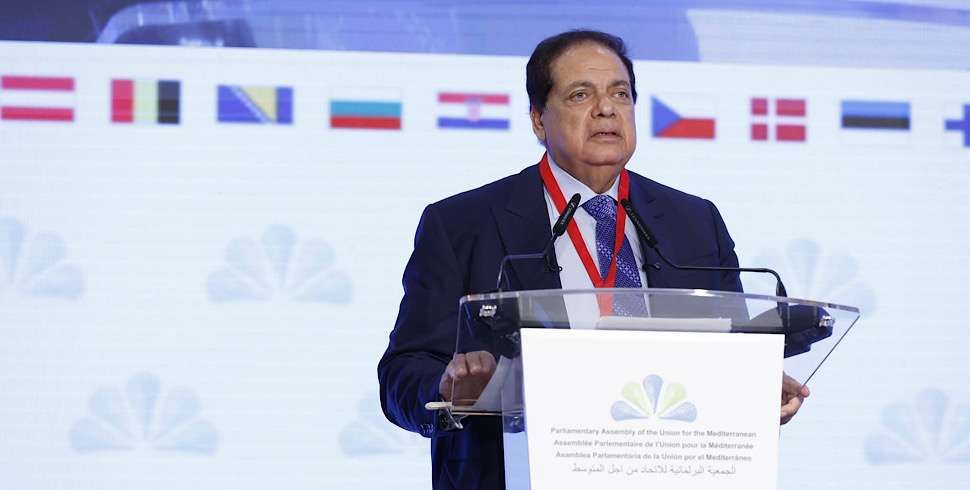
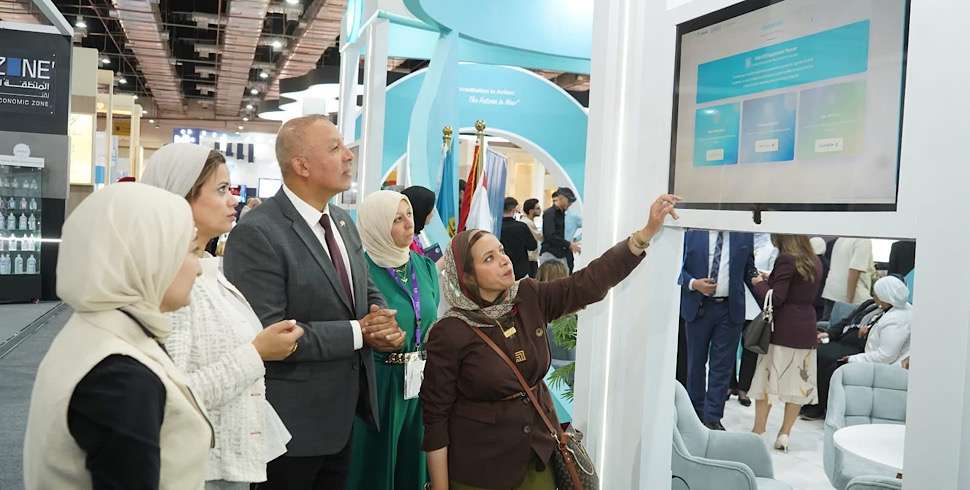
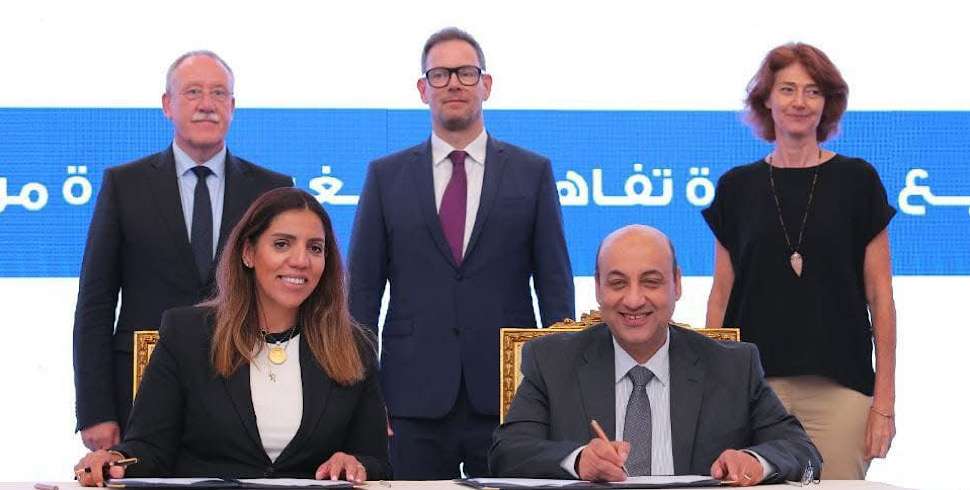
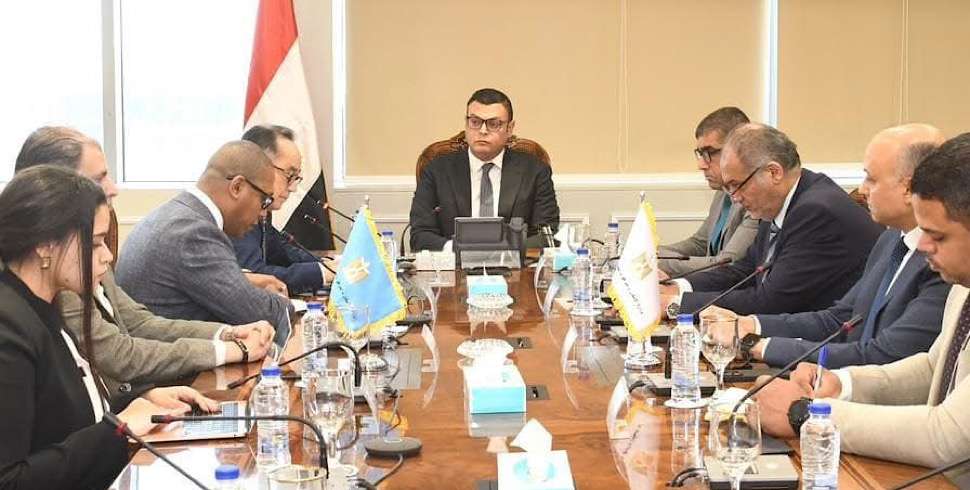
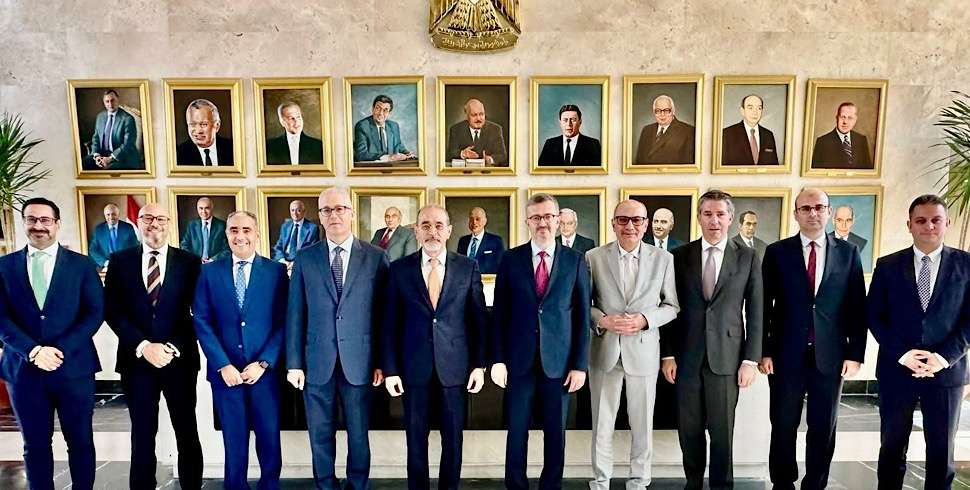
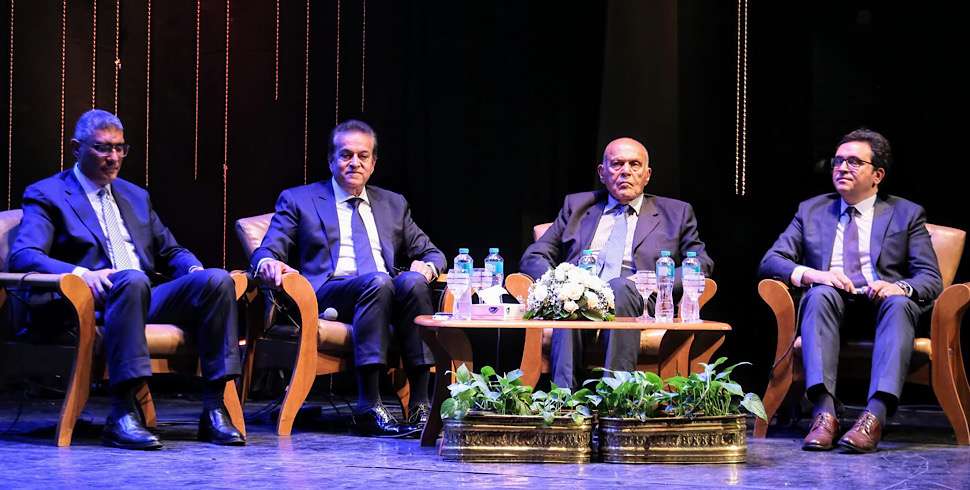
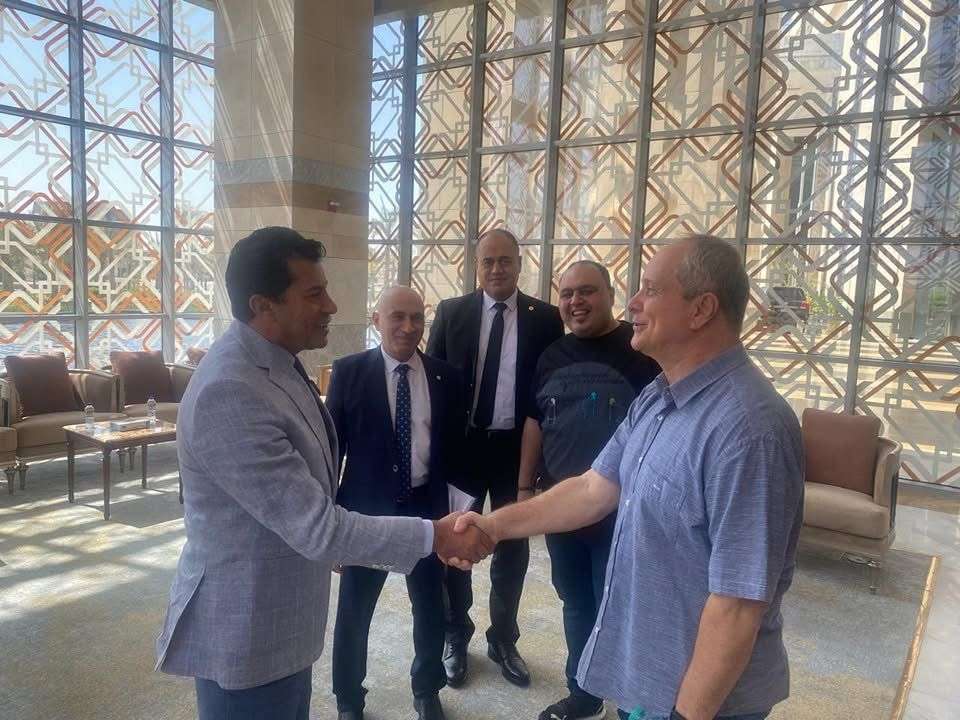
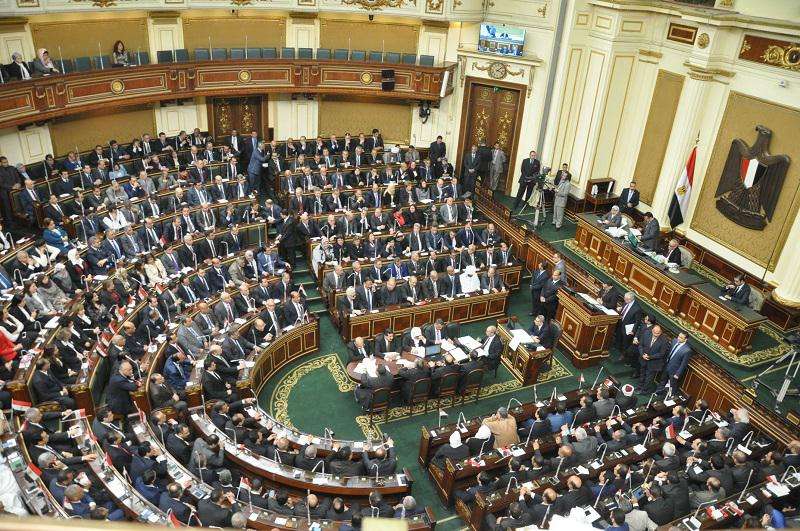
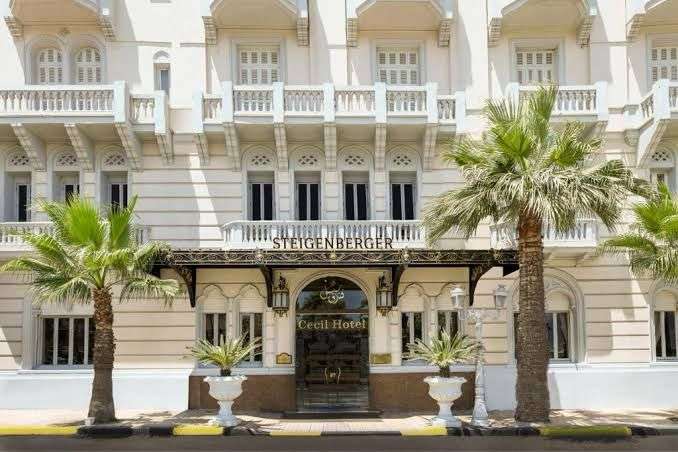
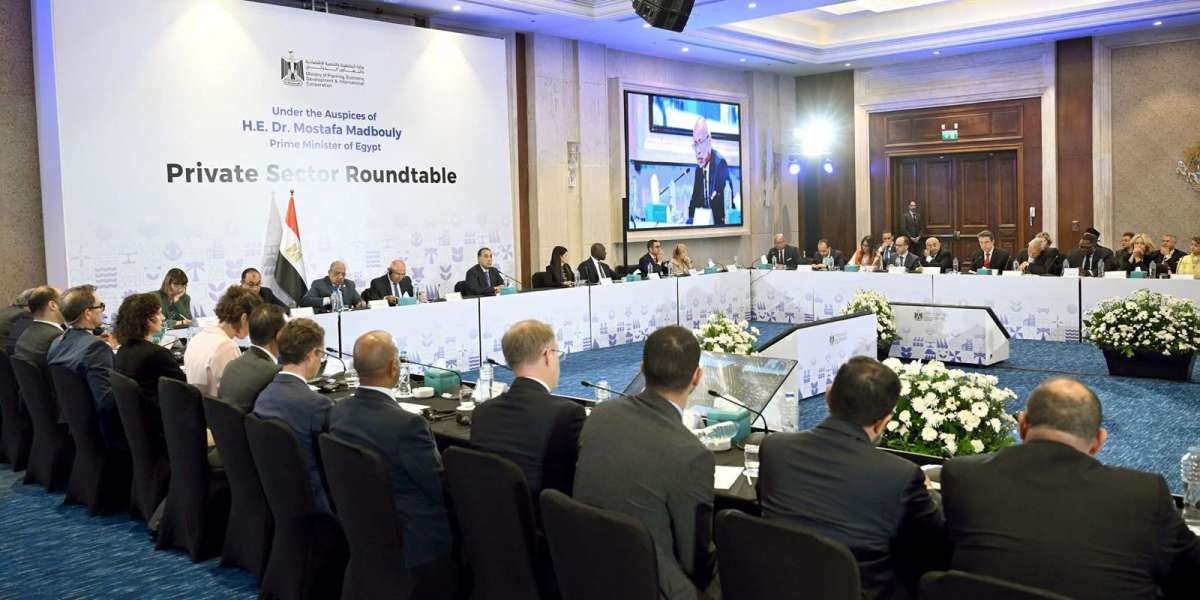
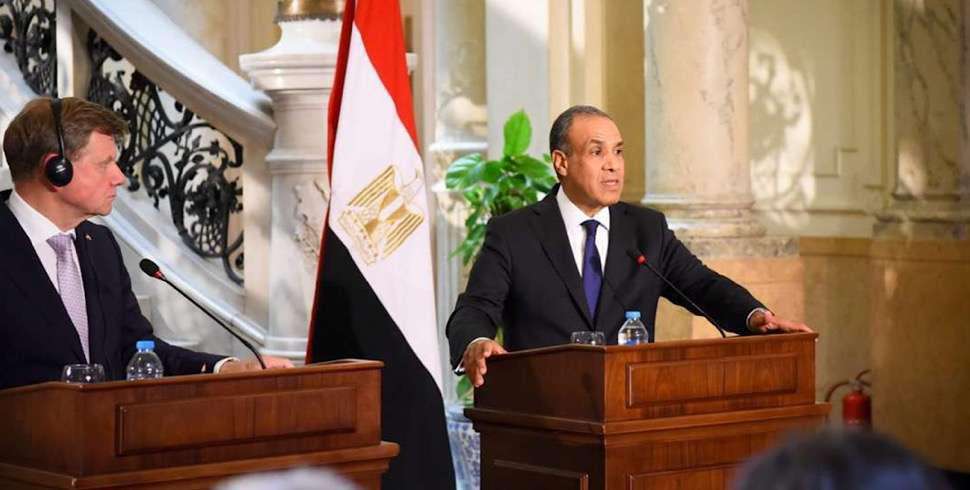
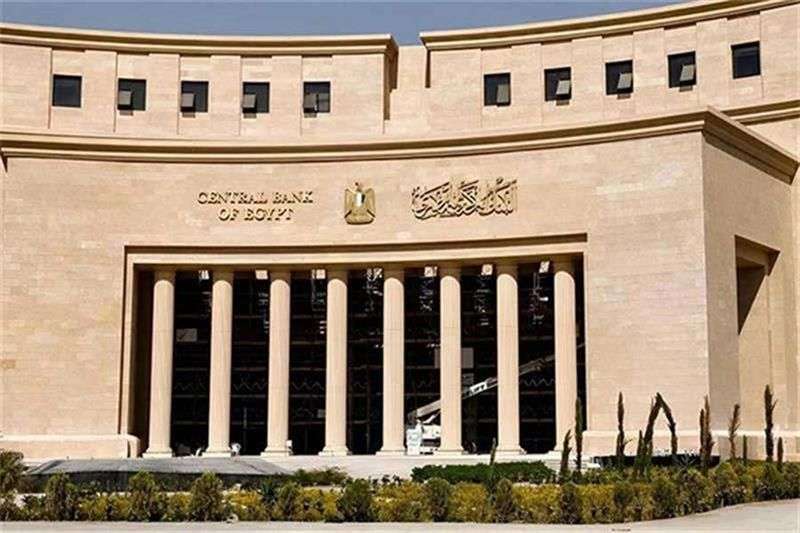
With participation from central bank governors and senior officials across the Mediterranean region, the Central Bank of Egypt hosted the 9th Euro-Mediterranean Central Banks Conference in Cairo, reaffirming Egypt’s commitment to deepening ties with key development partners and strengthening regional cooperation.
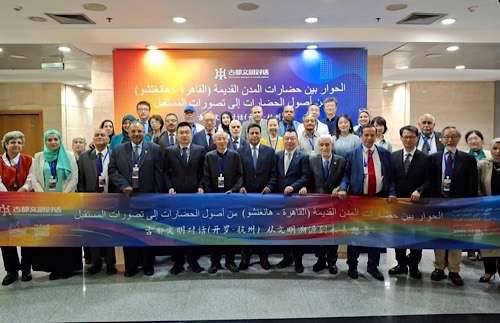
The conference, held under the theme "Harnessing Innovation and Integration for Sustainable and Inclusive Development in Euro-Mediterranean Countries," brought together a wide array of policymakers, economic experts, academics, and representatives from major financial institutions. It was organized in partnership with the Bank of Spain, the Organisation for Economic Co-operation and Development (OECD), the European Institute of the Mediterranean (IEMed), and the Union for the Mediterranean (UfM).
As a crucial platform for dialogue, the conference allowed regional central banks to explore pressing economic and financial issues, share new solutions, and reinforce collaborative action.
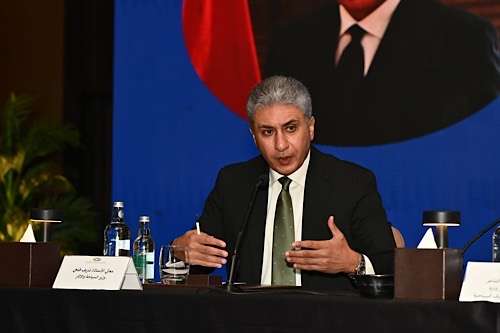
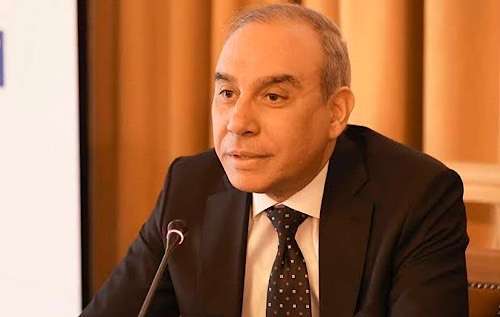
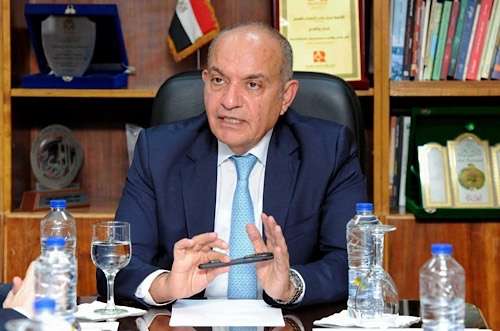
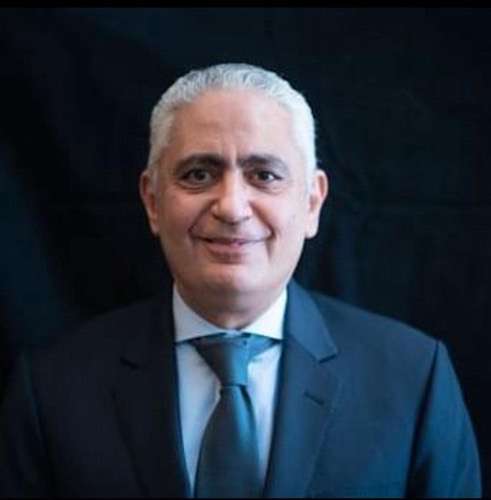
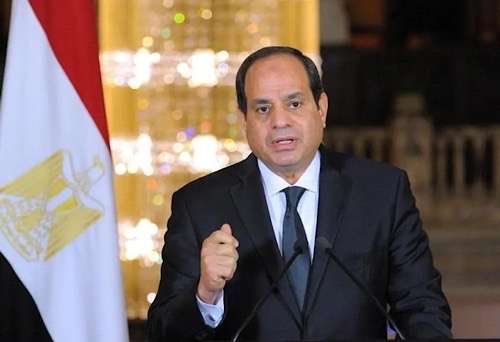
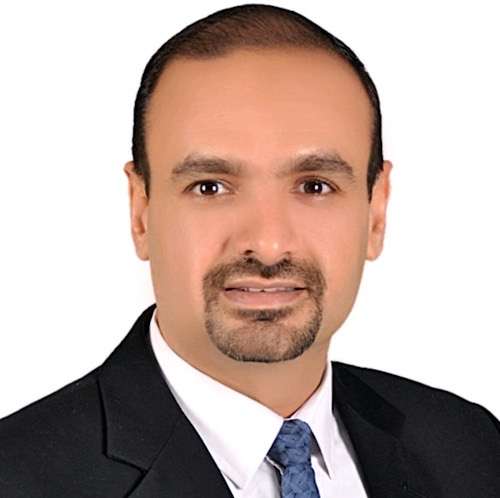
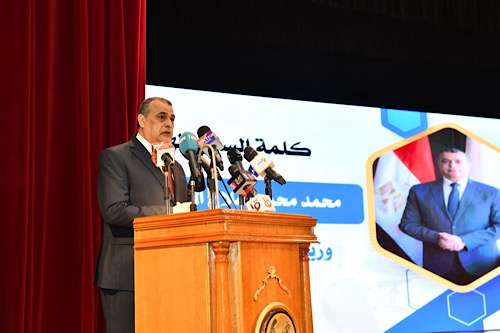
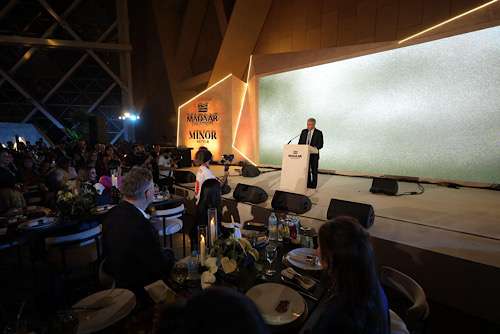
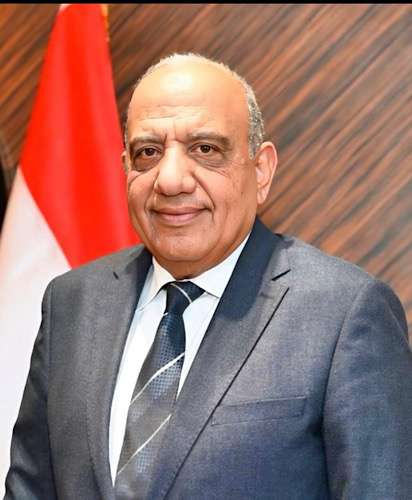
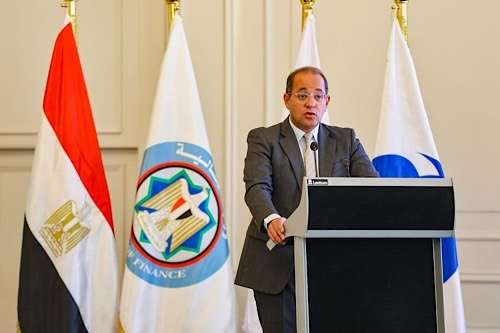
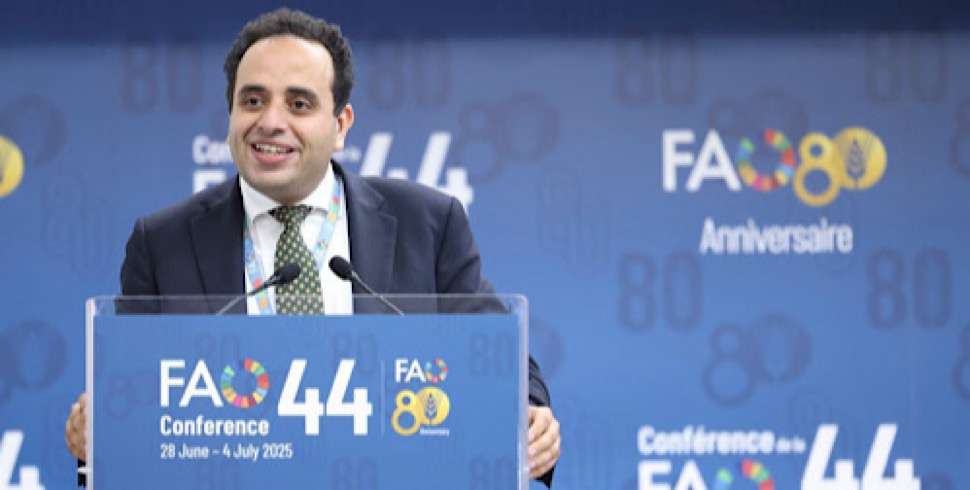
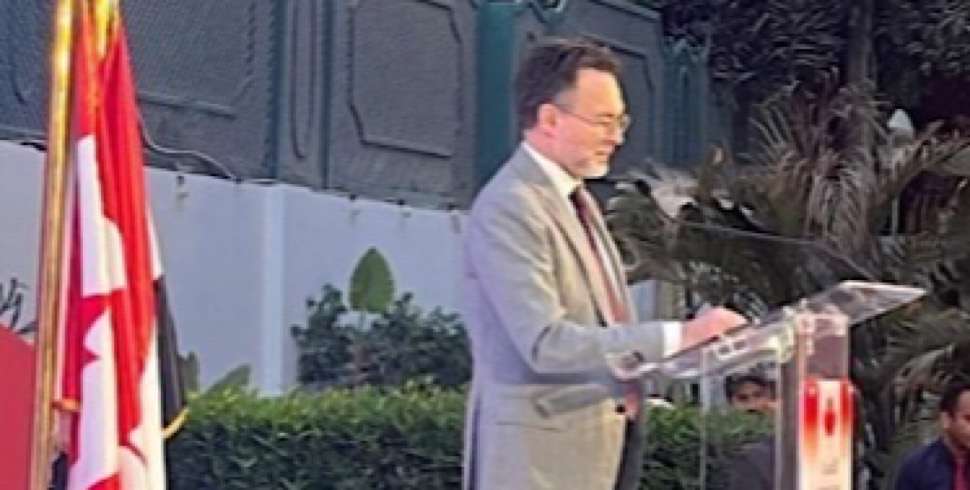
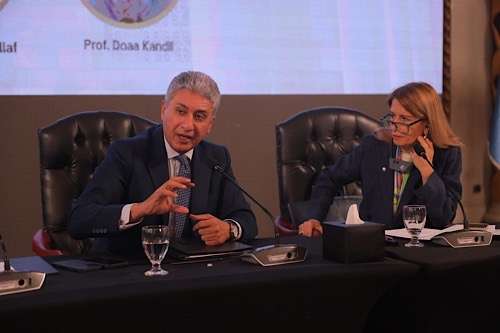
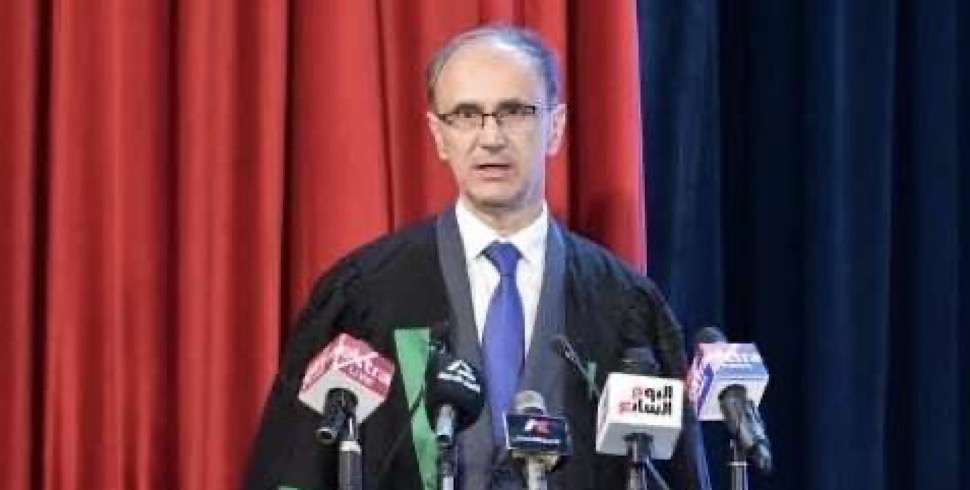
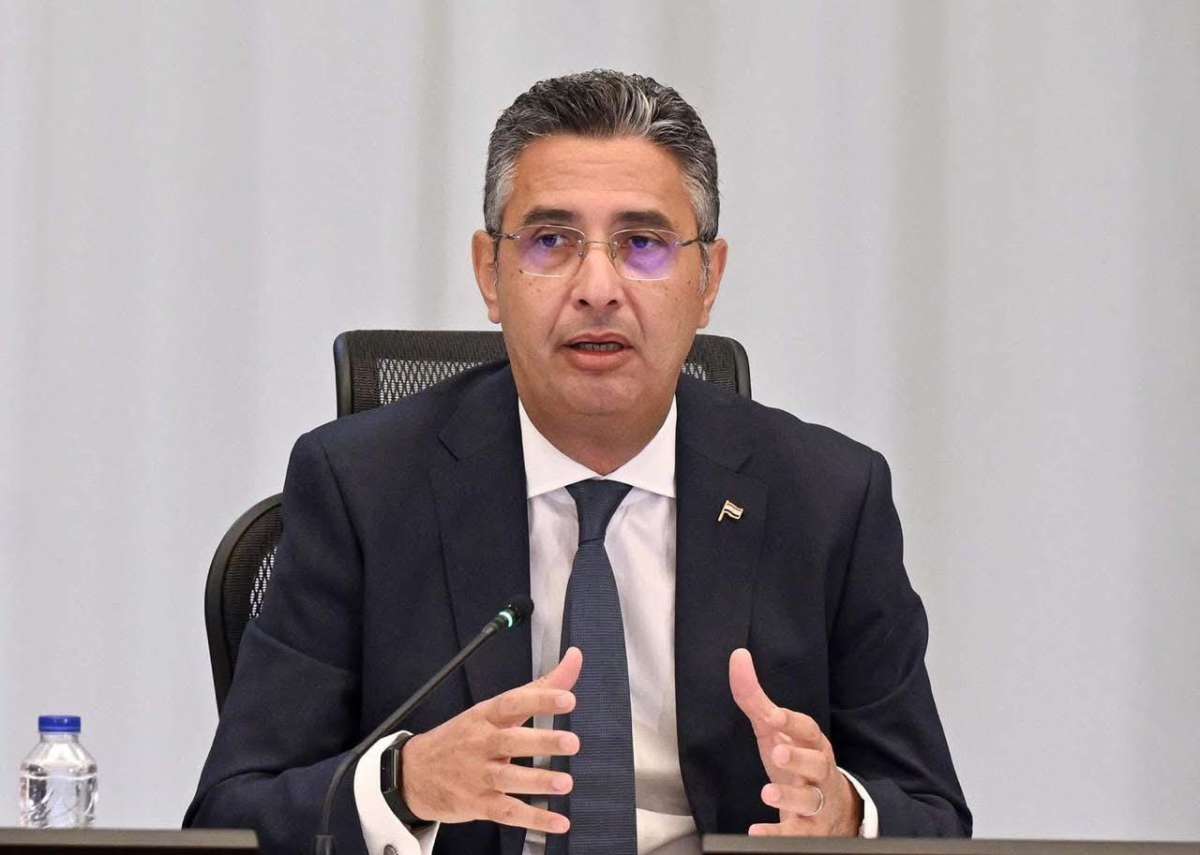
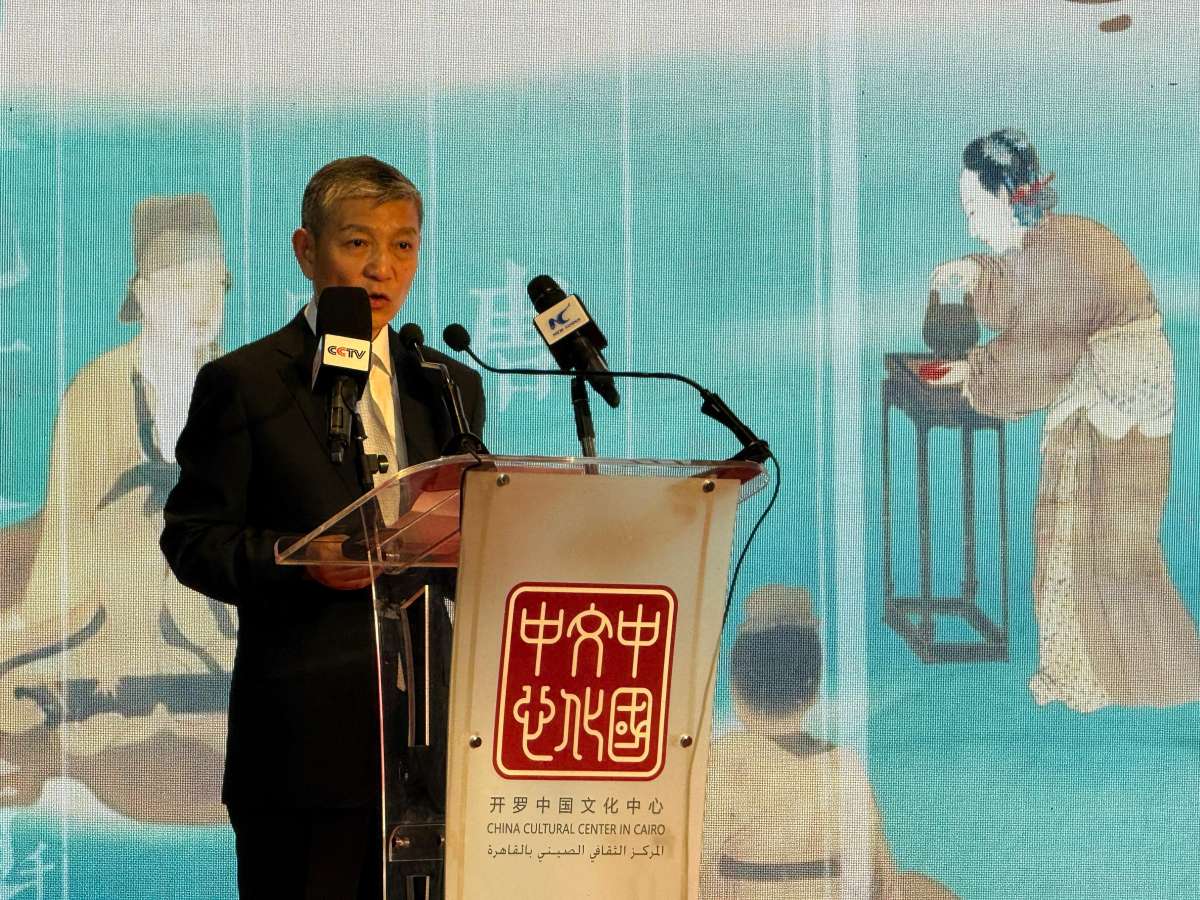
In his welcoming remarks, Mr. Hassan Abdalla, Governor of the Central Bank of Egypt, greeted all participants and emphasized Egypt’s commitment to regional partnership and the sharing of expertise, with the goal of supporting stability, prosperity, and a brighter future. He noted that, especially in challenging times, joint efforts and shared experience are essential in tackling common challenges.
Mr. Abdalla recalled the Mediterranean’s history as a bridge between cultures and continents, adding that today it must become a bridge for innovation and resilience, built through cooperation.
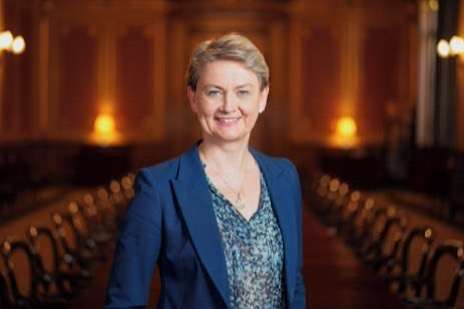
Mr. José Luis Escrivá, Governor of the Bank of Spain, emphasized the importance of resilient financial systems designed to serve all social segments. He called for renewed multilateralism and collaboration, particularly in times of global uncertainty.
Mr. Luiz de Mello, Director of Country Studies at the OECD, spoke about the expanding roles central banks play in supporting growth, green transitions, and inclusion, in addition to their core mandates of monetary and financial stability. He confirmed the OECD’s continued support for regional reform and resilience.
Mr. Senén Florensa, Executive President of IEMed, highlighted the multiple pressures facing Mediterranean economies, from conflict to climate risk, and the central role of robust central banks in maintaining stability.
Ms. Meltem Büyükkaraca, Deputy Secretary-General of the UfM, stressed the importance of bridging development and digital divides. She underlined that deeper integration, rooted in green and digital transformation, is vital to unlocking the region’s shared potential.
The conference focused on four key themes:
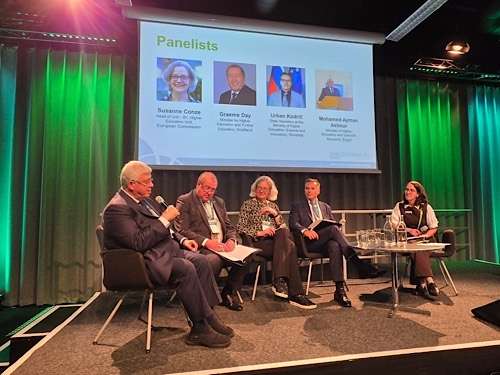
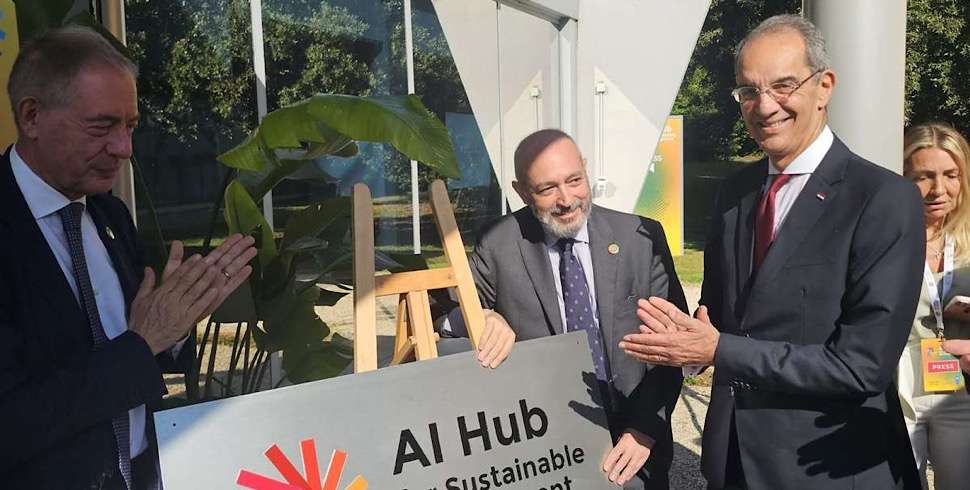
- Artificial Intelligence and the financial sector: This session, led by the Bank of Spain, explored both the opportunities and risks of AI in banking and finance.
- Financing for sustainable development: Moderated by the Central Bank of Egypt, this panel examined ways to direct financial flows toward green growth and climate-resilient economies.
- Inclusive financial services: Participants discussed innovations and strategies to ensure wider access to financial services, particularly for marginalized populations.
- Regional financial integration: Representatives, together with the OECD, explored opportunities to deepen regional cooperation, expand digital infrastructure, and harmonize financial policies.
In his closing remarks, Mr. Hassan Abdalla thanked all the participants for their enthusiasm and highlighted the importance of the conference’s outcomes as a step toward financial stability and inclusive growth across the Euro-Mediterranean region.
The Bank of Spain will graciously host the next edition of this conference. Prior to that, a technical preparatory meeting among central banks will be convened about four months in advance to ensure effective planning and knowledge sharing.