






























































































































































































































































































































































































































































































































































































































































































































































Friday, 09 October 2026
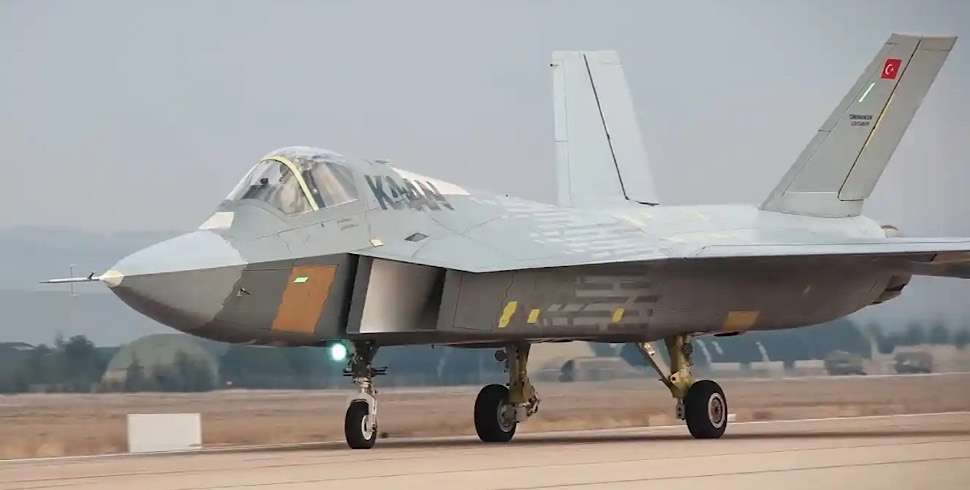
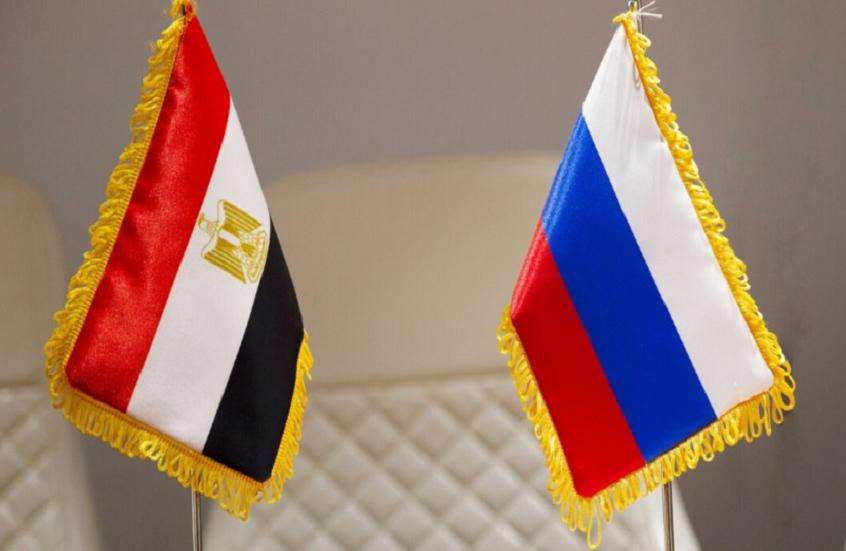
Ankara and Cairo are in advanced discussions to embark on a landmark defense collaboration: the joint production of the “Kaan” (TF-X), Turkey’s fifth-generation stealth fighter jet. The potential partnership not only signals a historic warming of relations between the two regional powers but also promises to reshape the balance of air power in the Middle East—a development attracting mounting scrutiny and concern from neighboring countries.
A regional game changer
Developed by Turkish Aerospace Industries (TAI), the Kaan jet marks Ankara’s bold push to join the elite club of nations—alongside the United States, China, and Russia—capable of designing and manufacturing indigenous fifth-generation fighters, according to the Arabic Defense .
Since the U.S. introduced the F-22 in 2005, such advanced aircraft, prized for their stealth, supersonic speeds, and cutting-edge avionics, have defined air superiority.
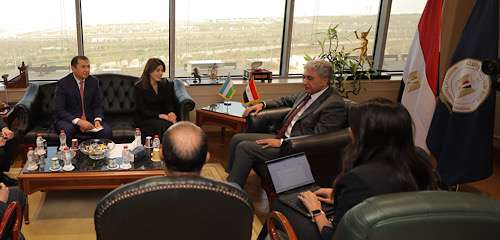
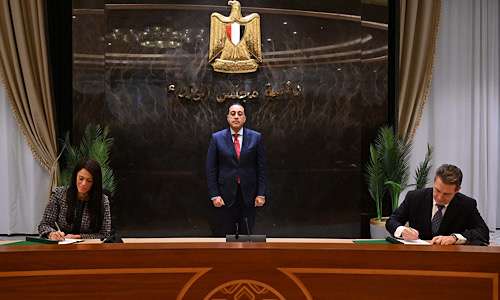
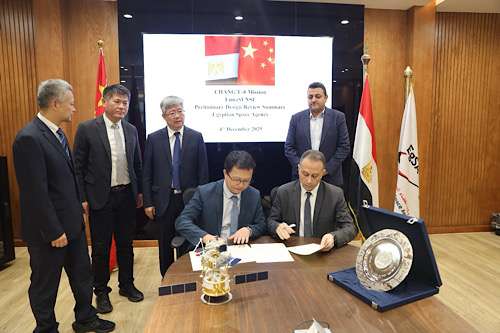
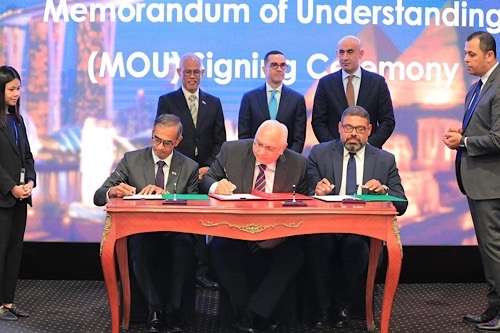
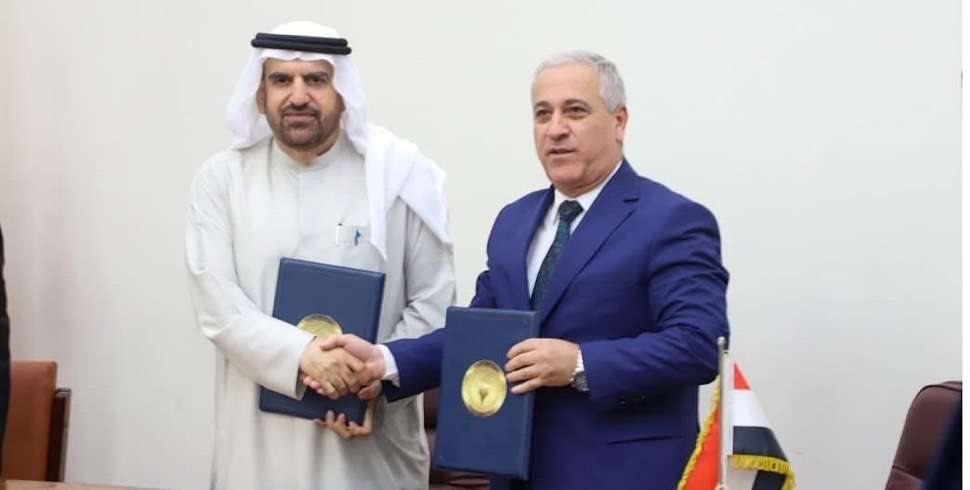
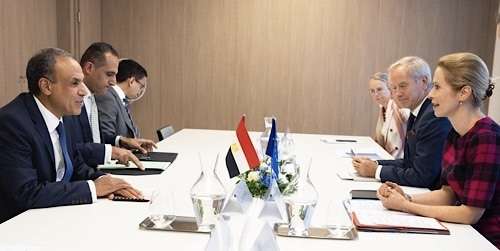
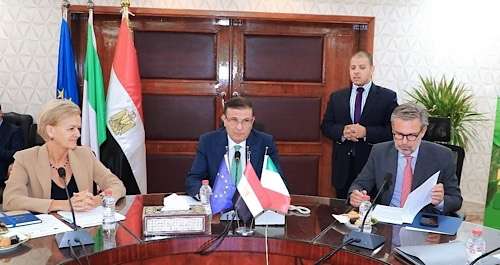
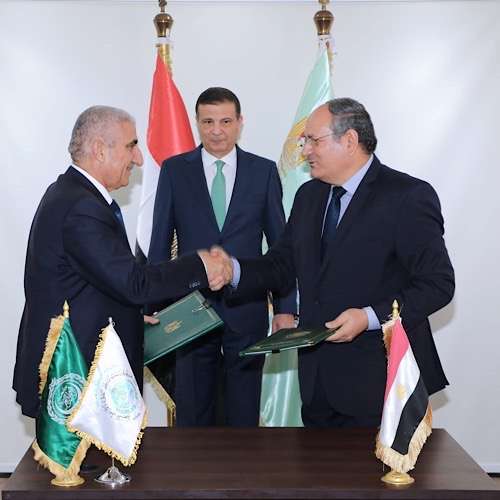
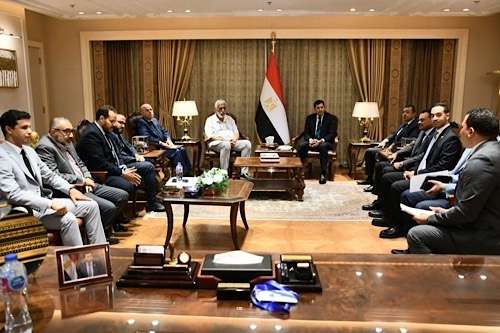
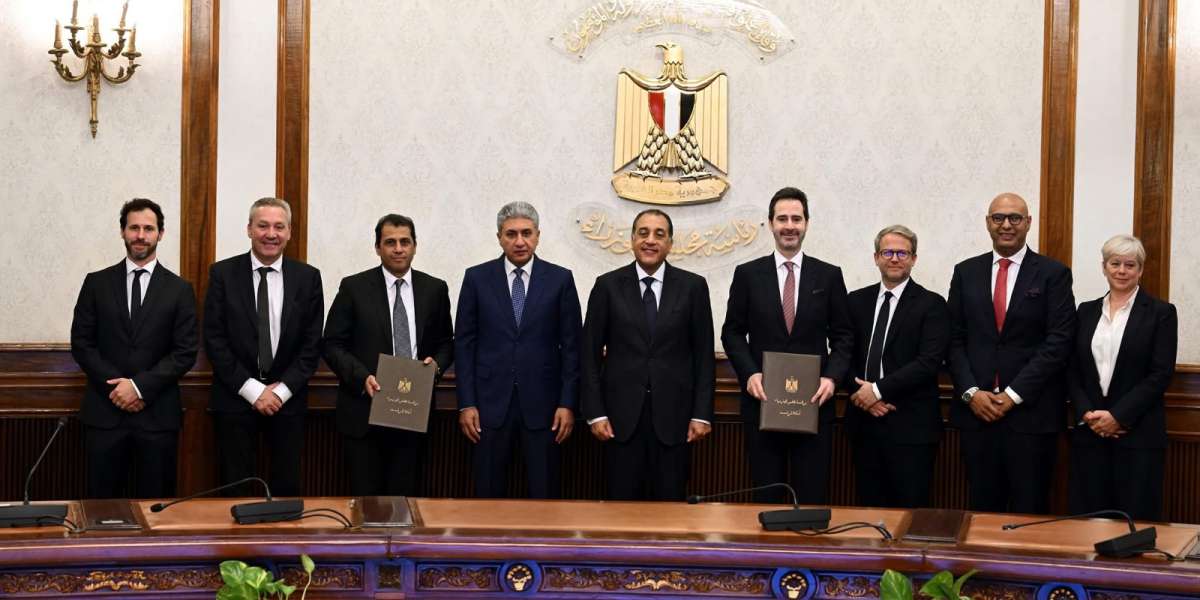
Media reports from Turkey in recent days confirm that Ankara has given initial approval for Egypt to join the Kaan project, with Cairo set to contribute to development and production. This follows a high-level Egyptian Air Force visit to inspect prototypes and TAI’s facilities. A formal memorandum of understanding between the two countries is expected by the end of 2025, paving the way for deep technological cooperation in advanced aerospace manufacturing.
A new era in Turkish-Egyptian relations
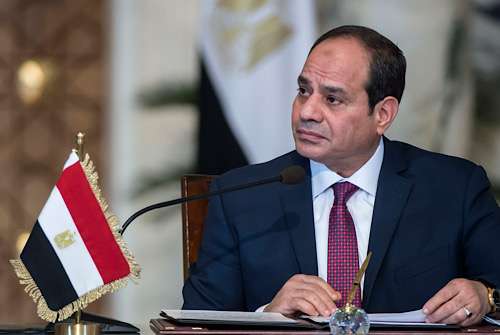
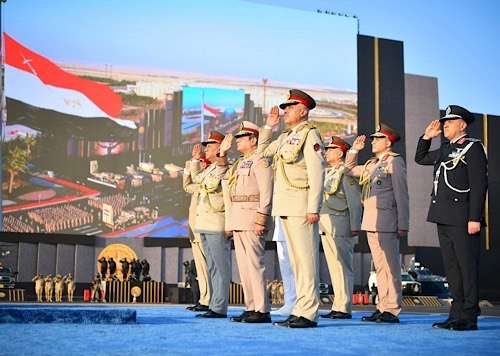
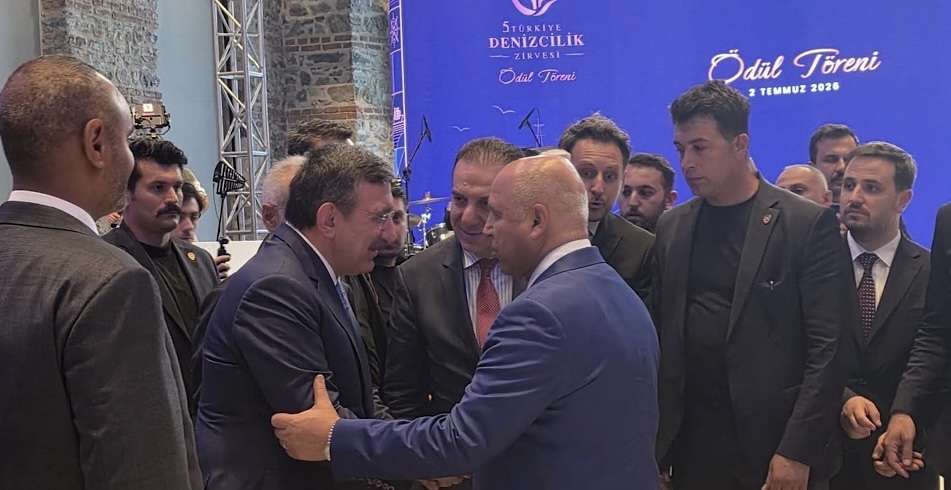
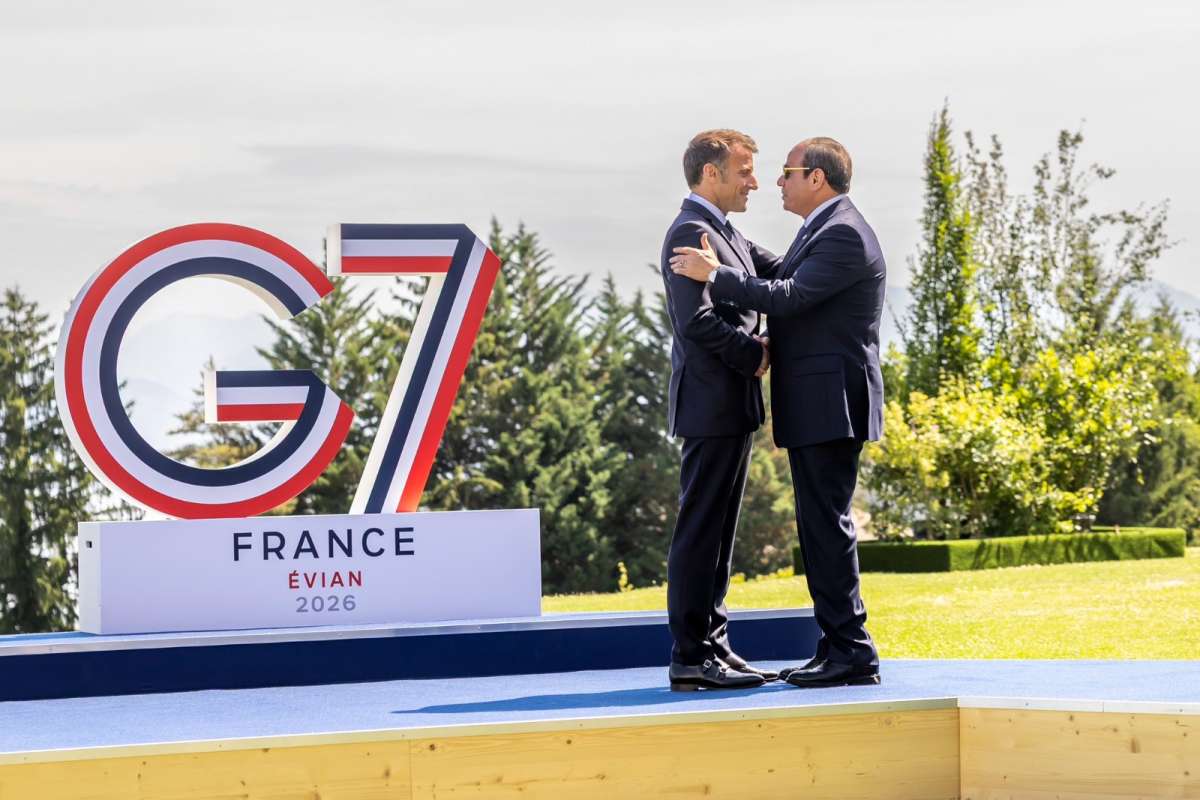
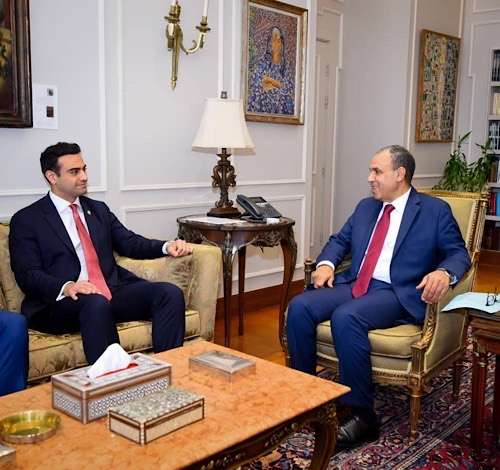
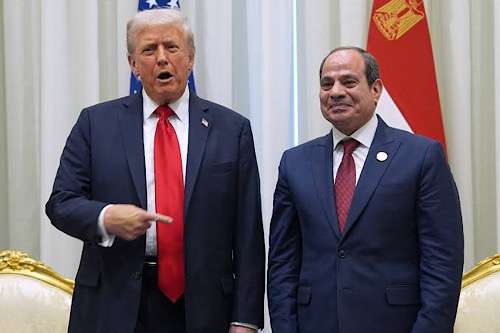
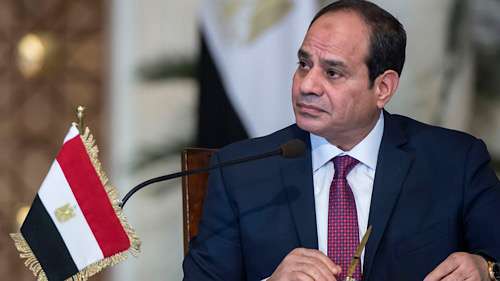
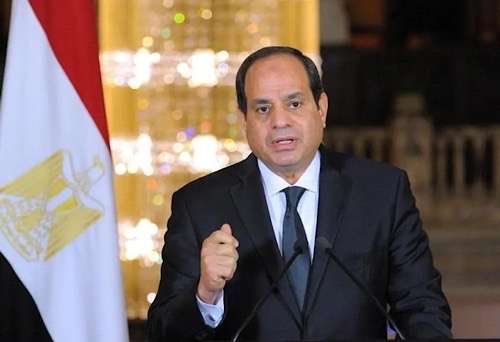
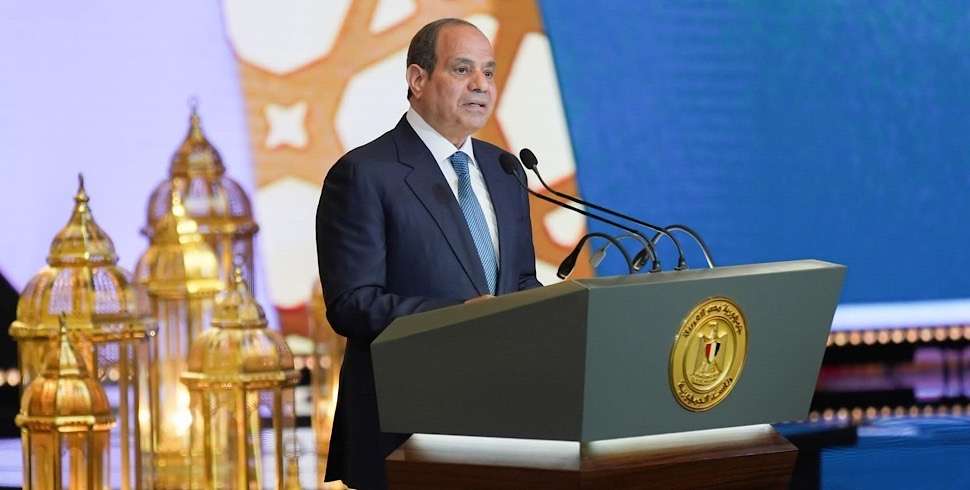
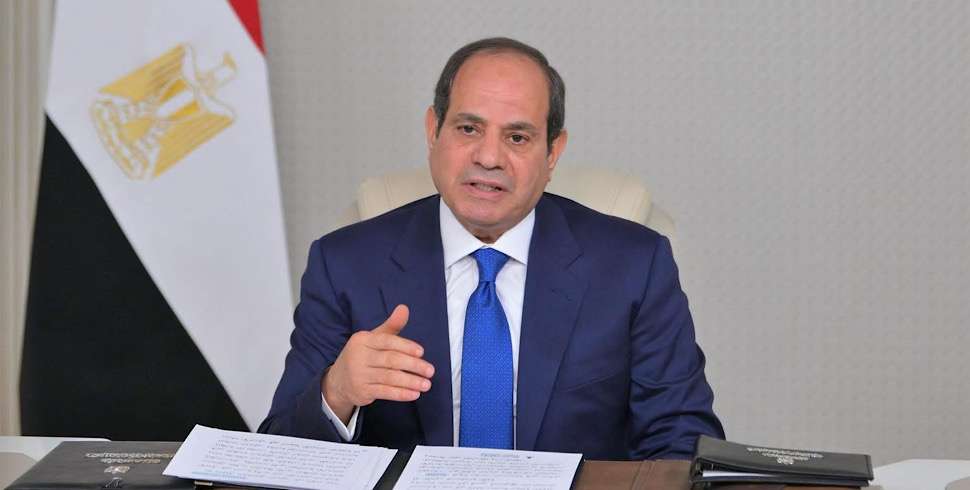
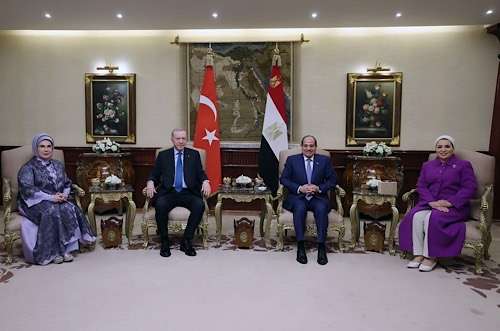
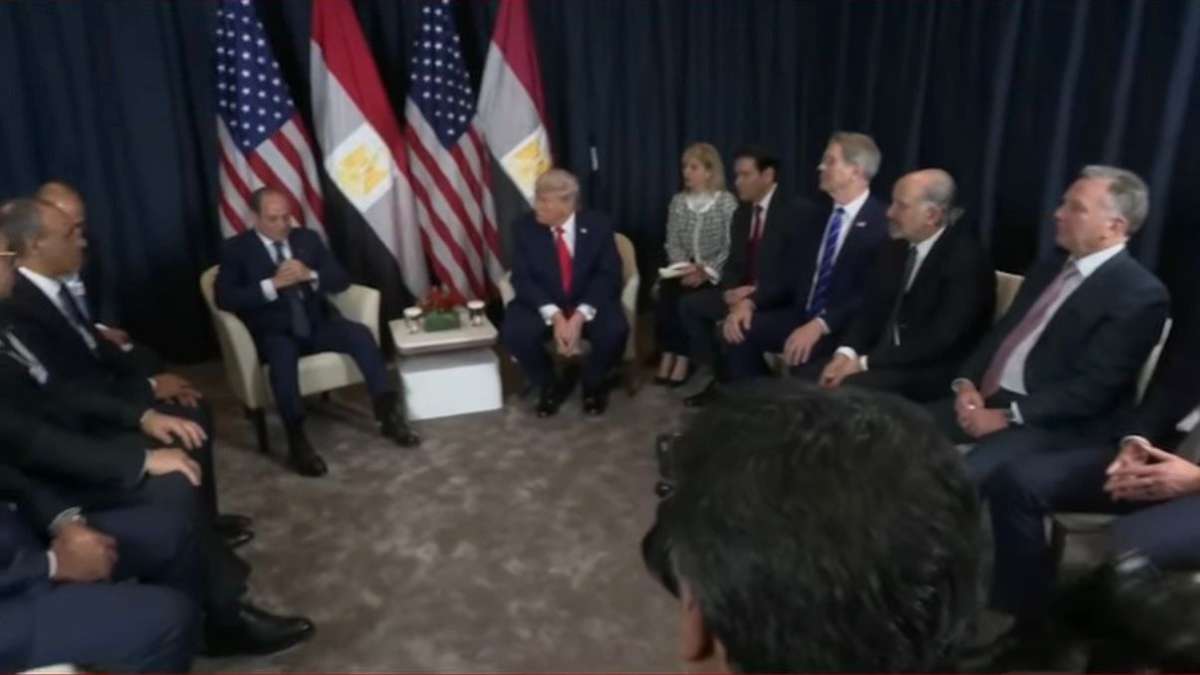
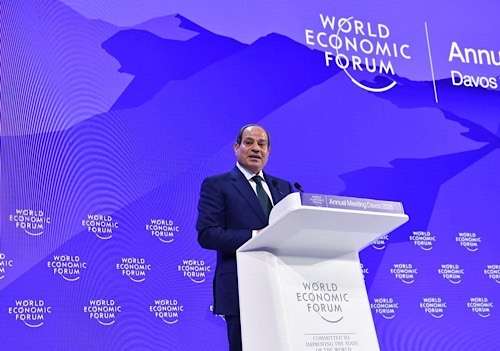
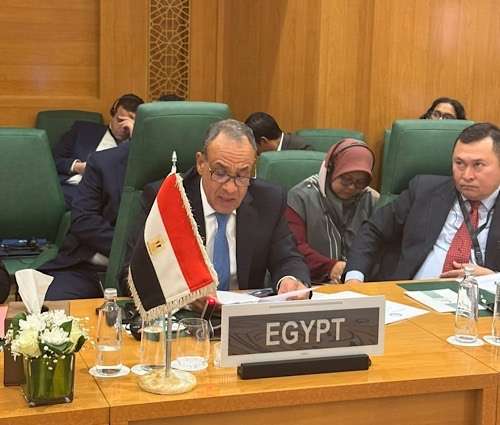
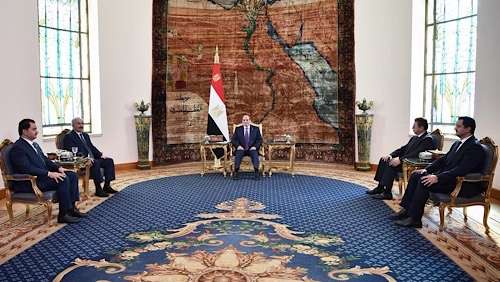
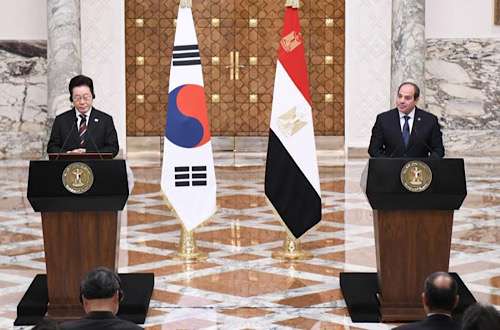
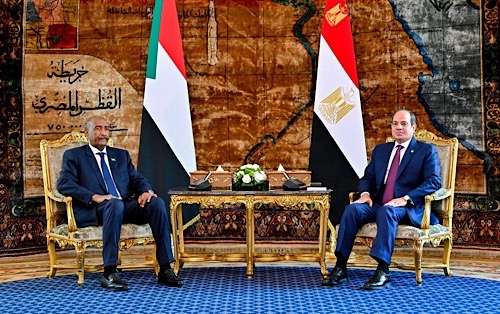
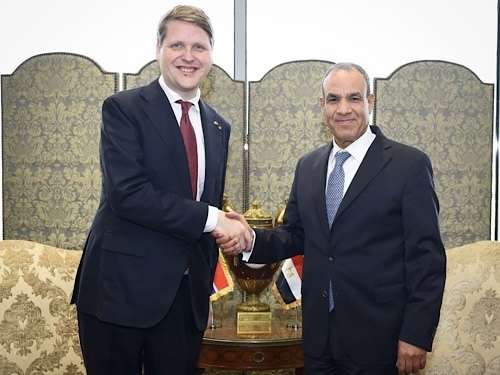
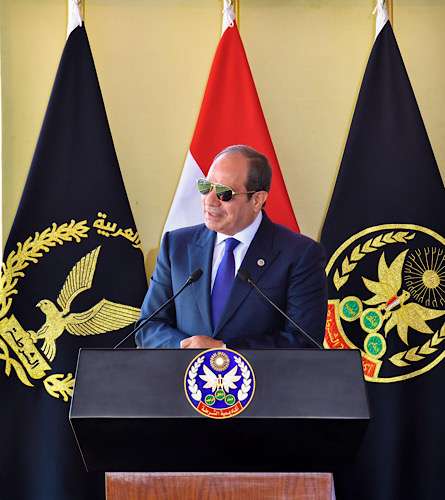
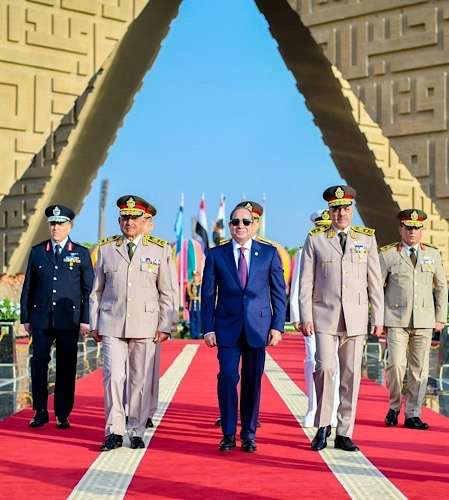
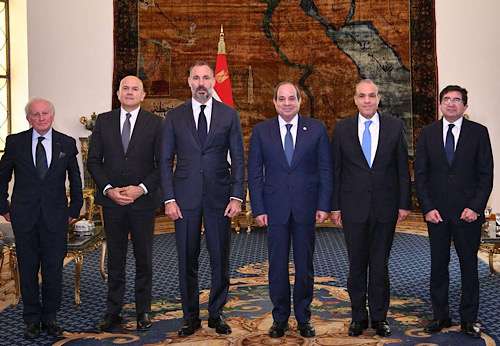
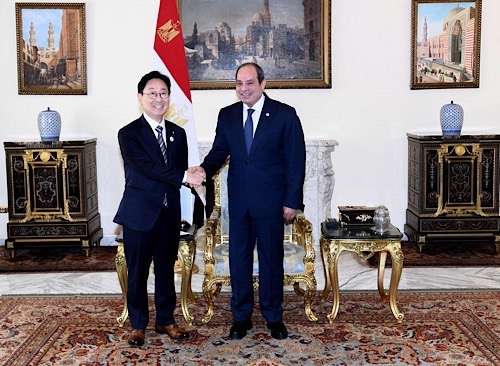
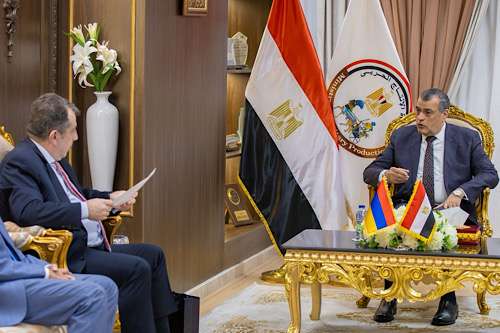
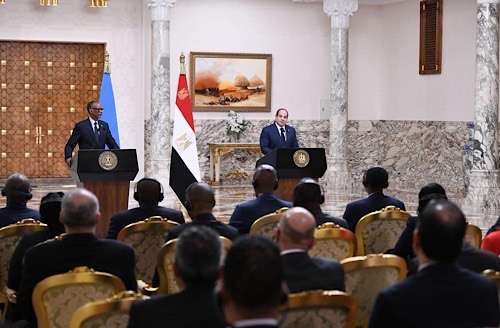
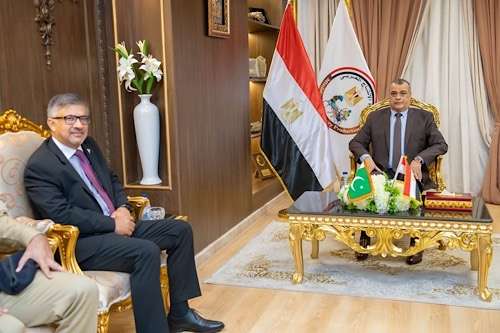
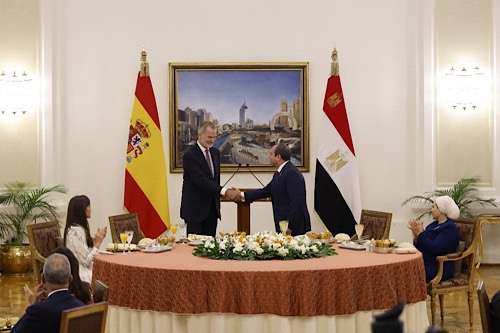
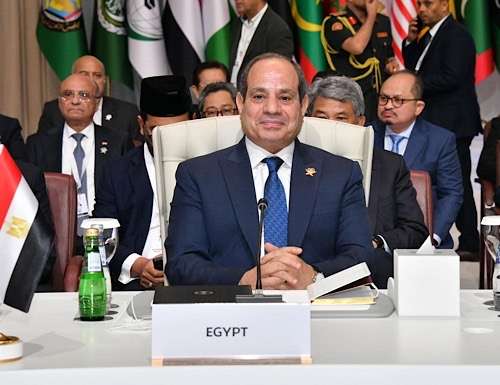
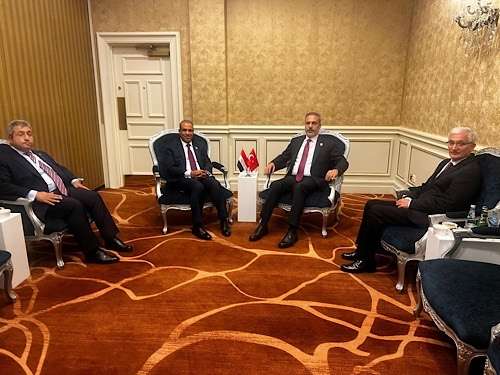
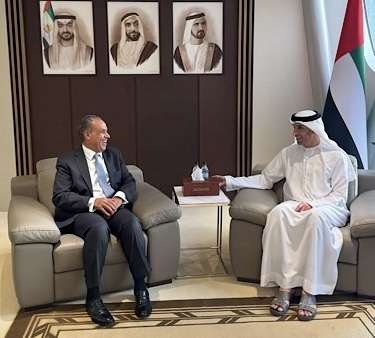
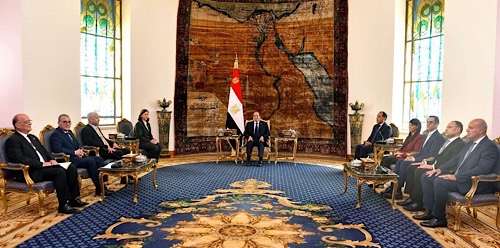
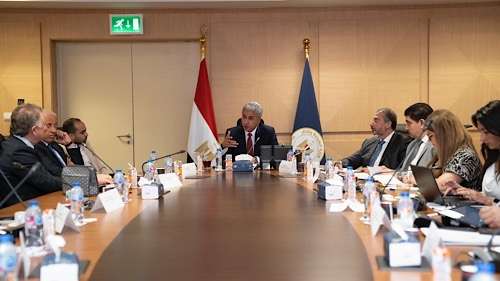
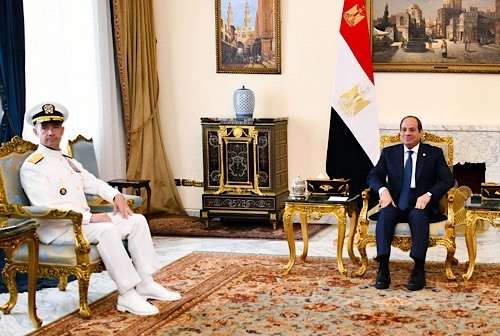
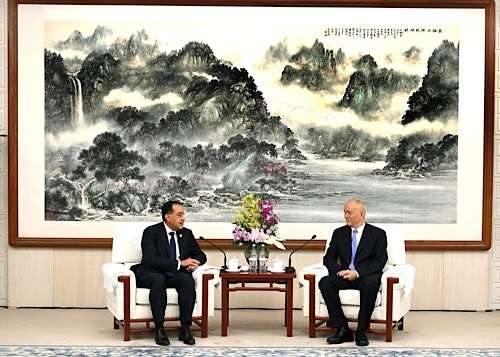
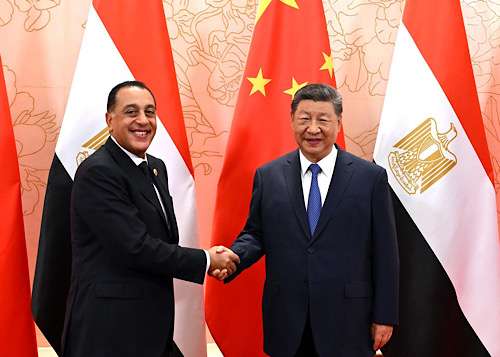
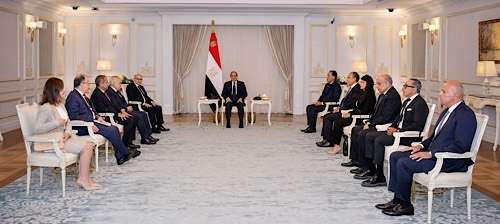
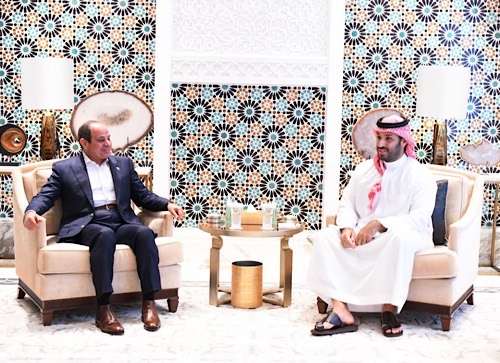
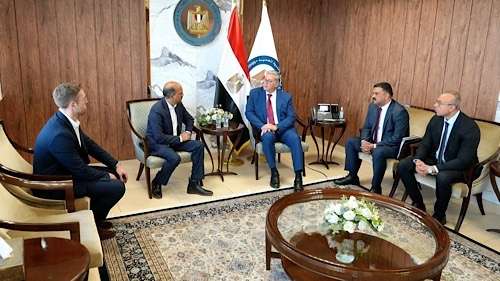
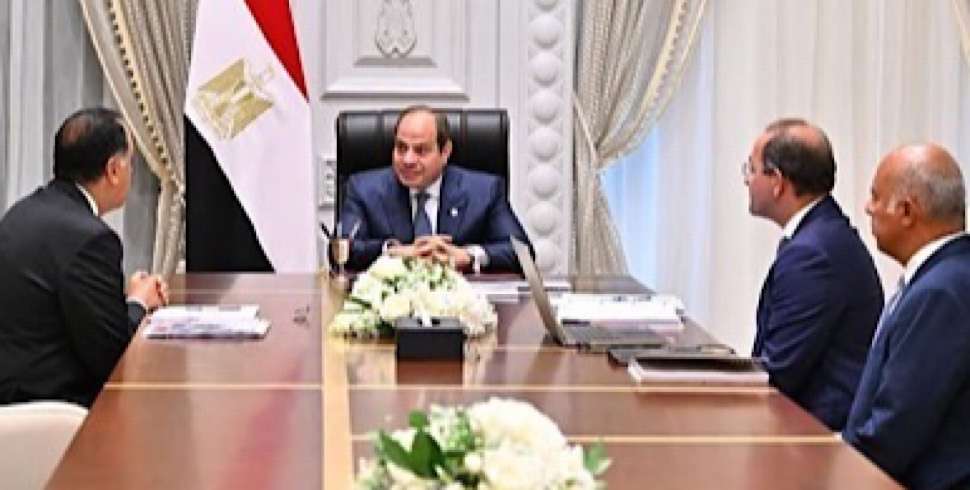
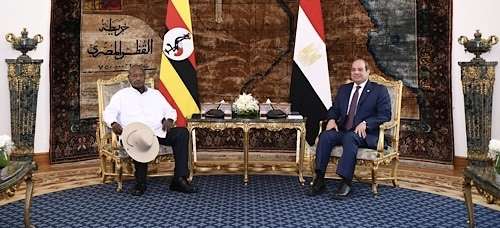
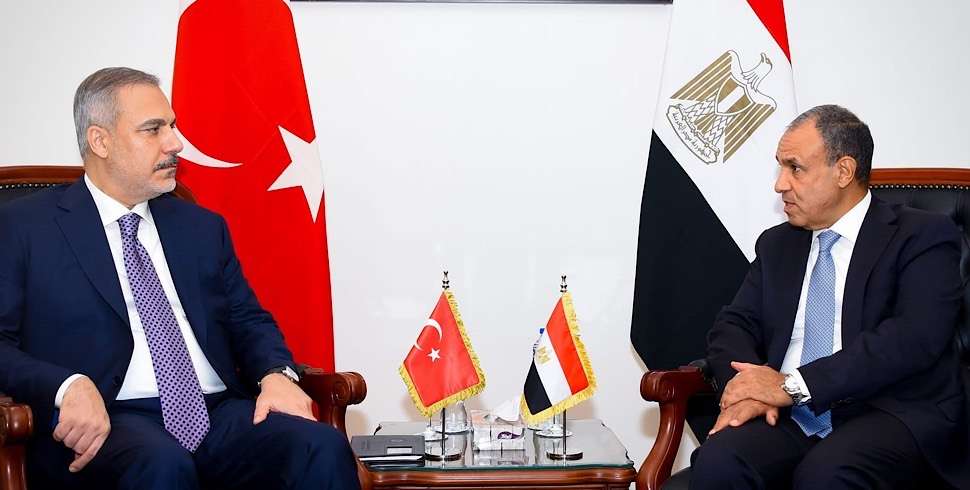
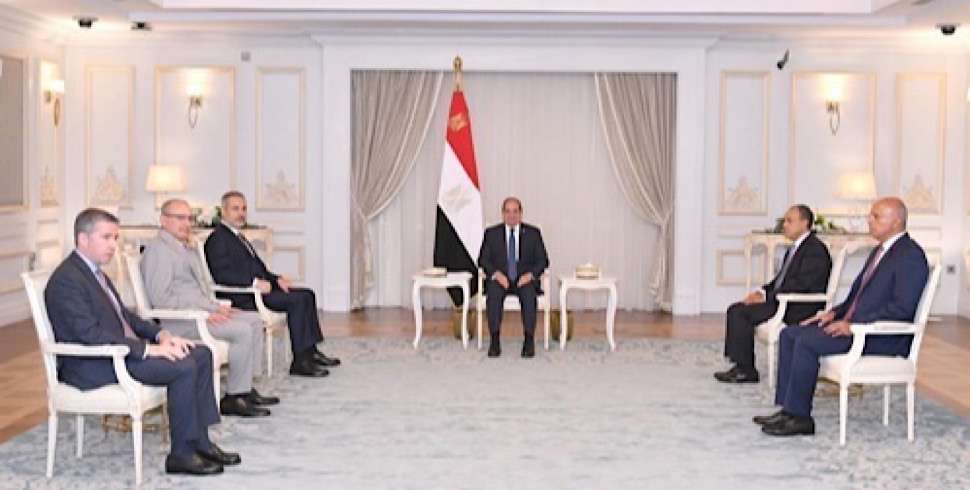
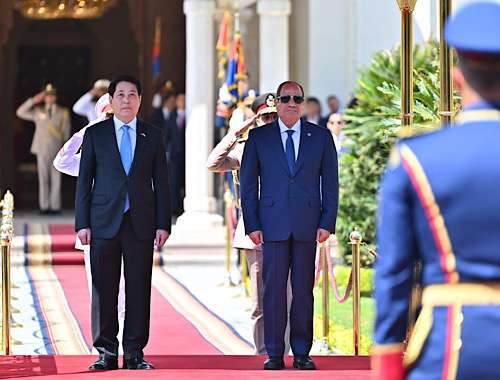
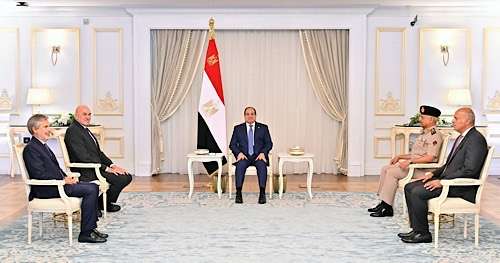
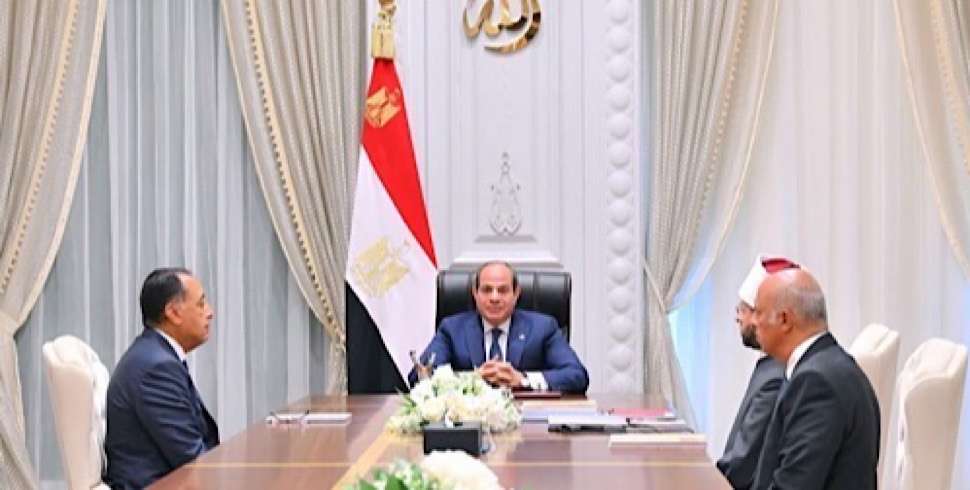
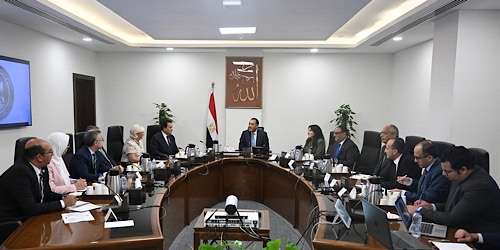
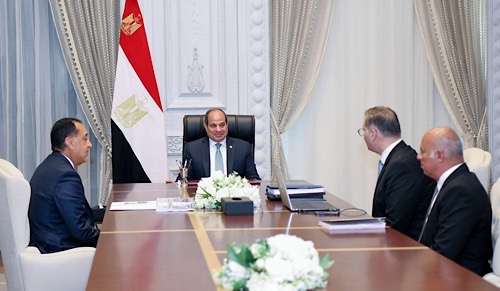
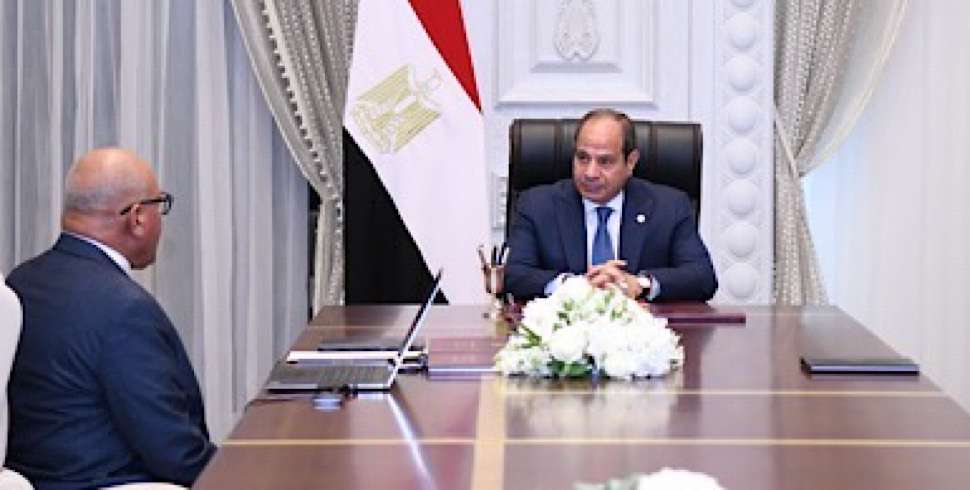
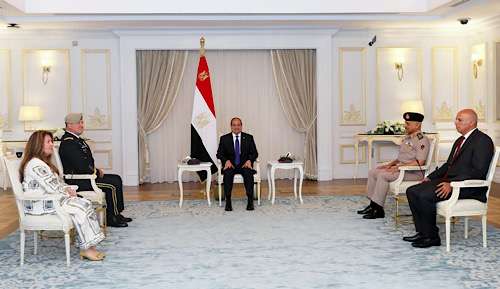
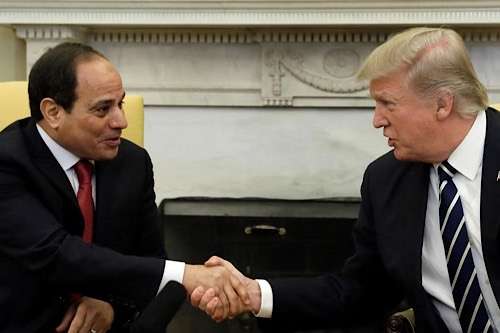
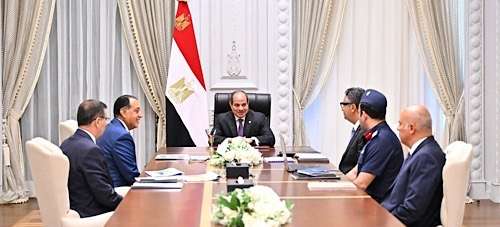
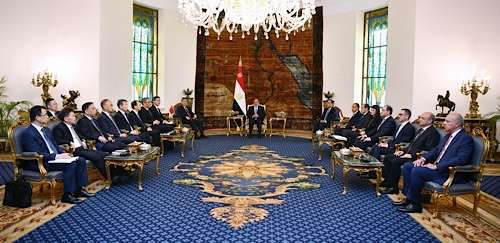
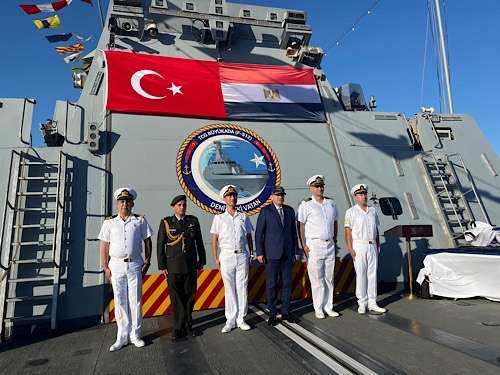
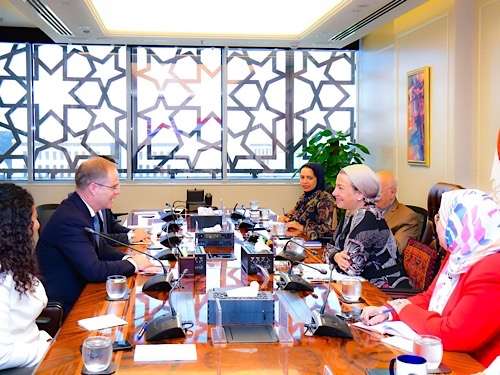
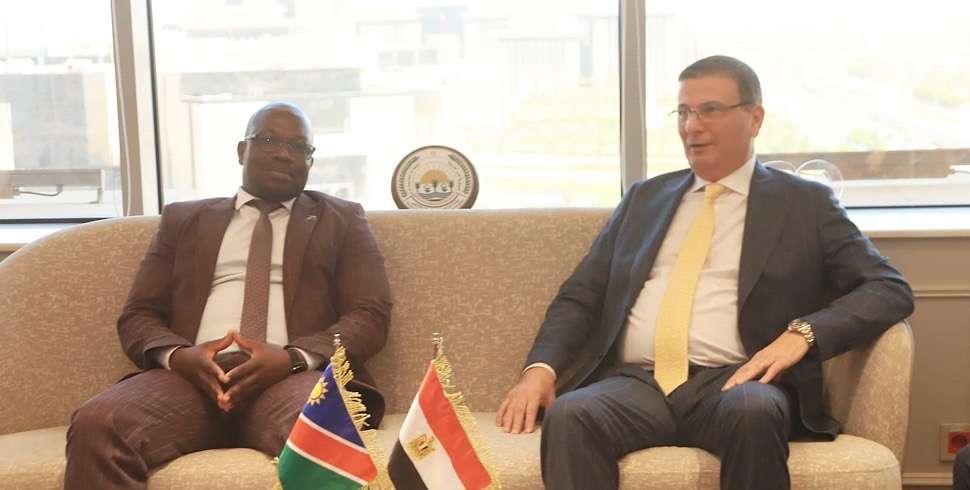
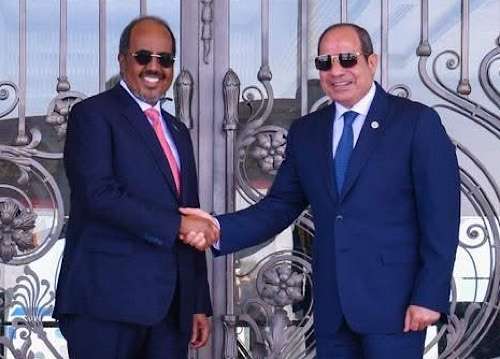
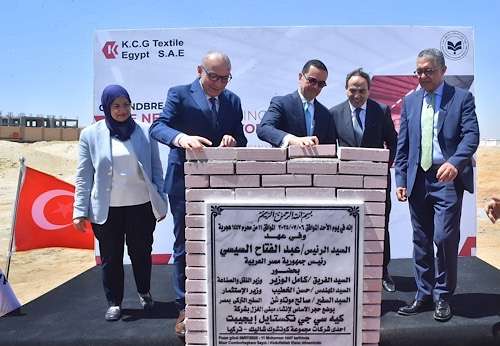
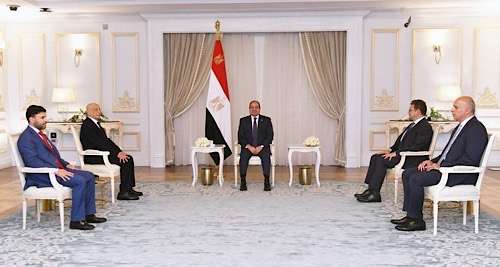
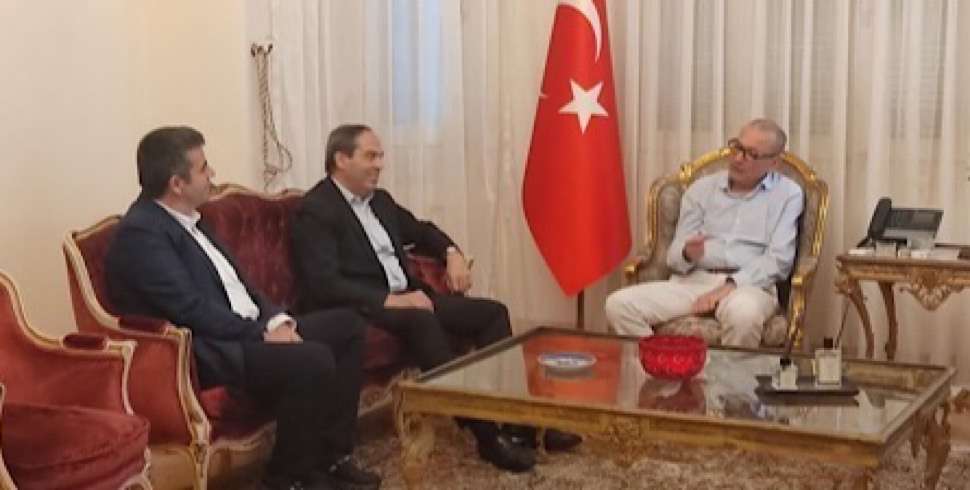
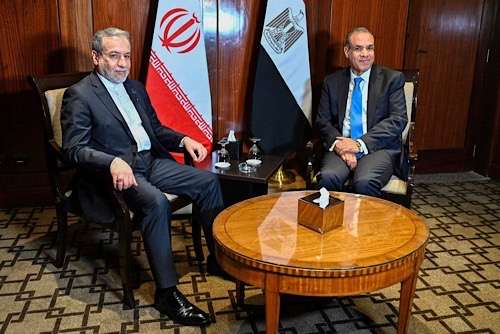
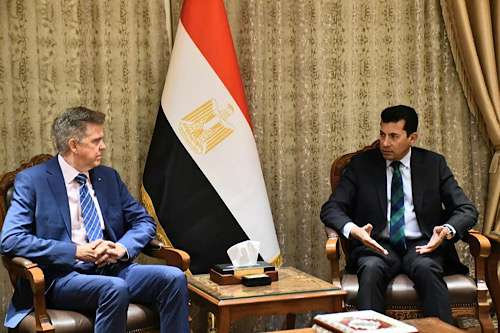
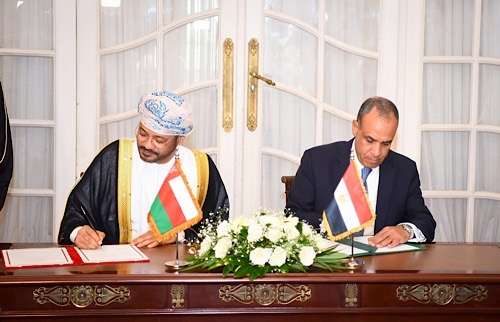
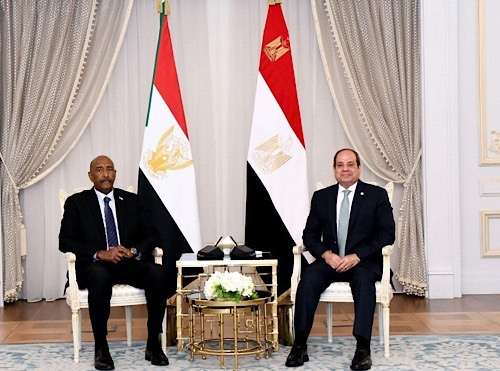
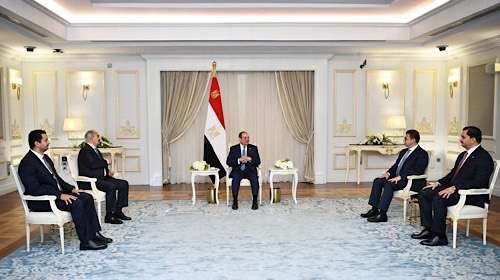
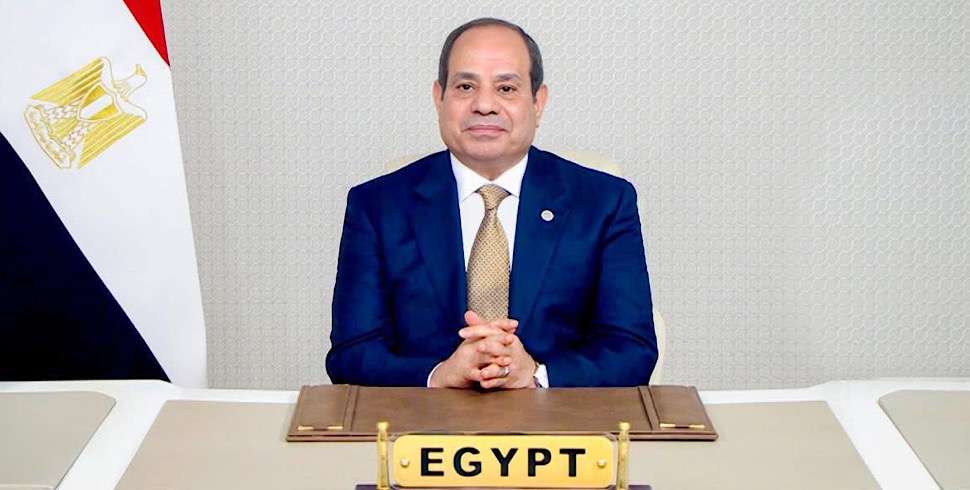
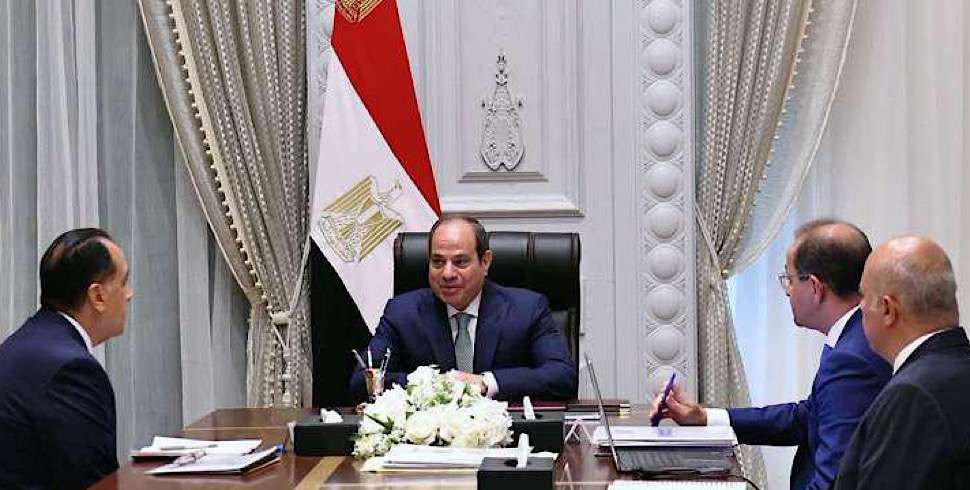
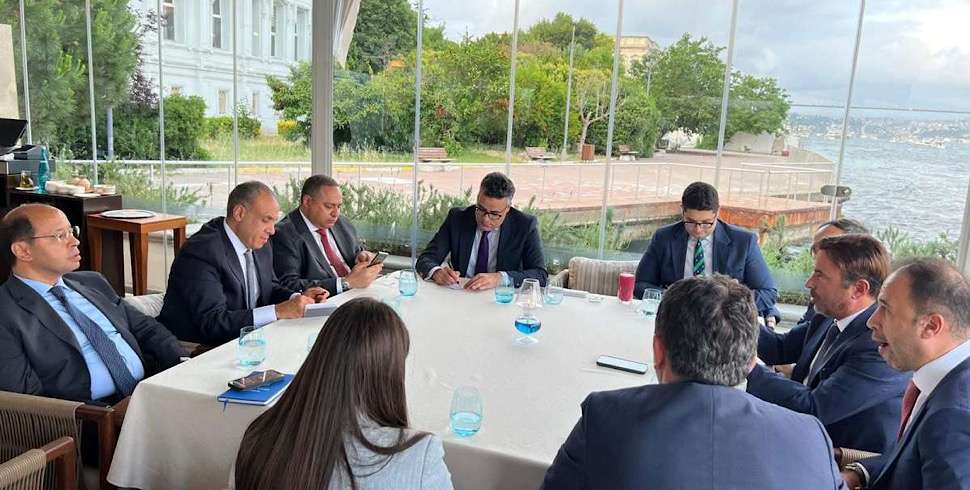
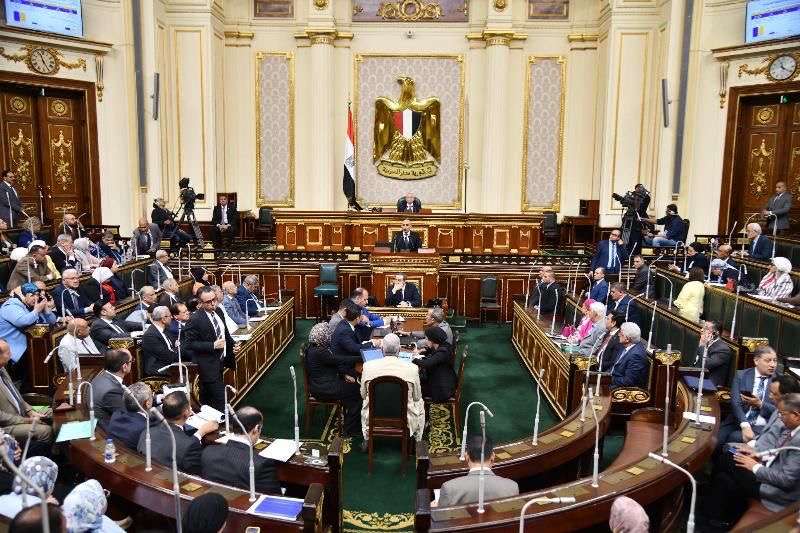
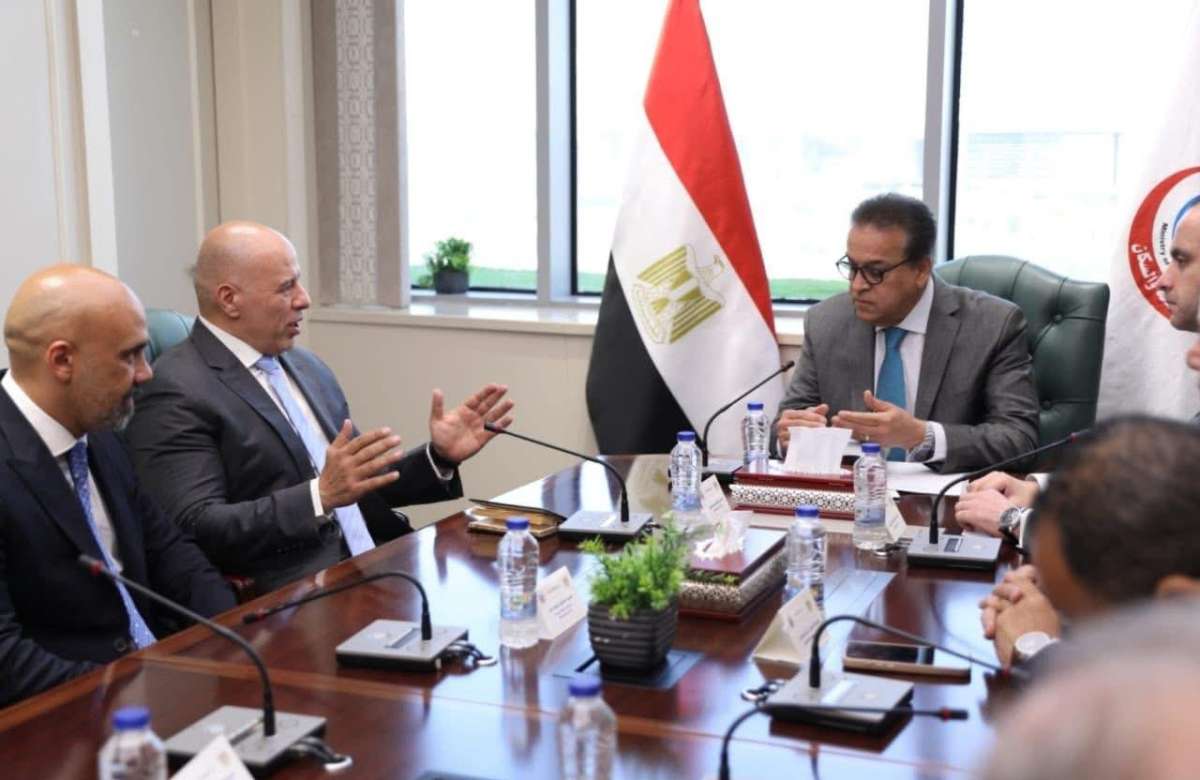
This unprecedented defense venture comes on the heels of Egyptian President Abdel Fattah el-Sisi’s recent state visit to Ankara. Discussions encompassed sensitive military cooperation—including the Kaan project and Turkey’s next-generation “Steel Dome” air defense system. The rapprochement highlights Ankara and Cairo’s mutual aspirations to carve out a more independent security posture, particularly as U.S. and Western controls hamper their access to American-made F-35s.
Most Arab nations, except Israel, have so far failed to secure U.S. approval to purchase fifth-generation jets, with the U.S. citing its longstanding commitment to Israeli air superiority. Even the UAE, despite signing a deal for the F-35, has not received the aircraft, reportedly due to Washington’s reservations over Abu Dhabi’s ties with China and broader regional implications.
Kaan: An alternative for the Arab world, beyond
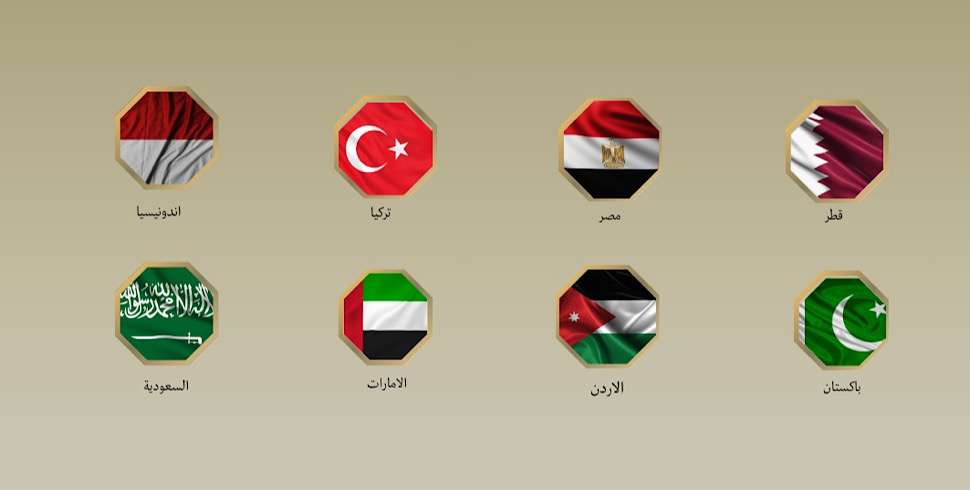
Against this backdrop, Gulf states such as Saudi Arabia and the UAE are exploring cutting-edge alternatives unconstrained by U.S. and European political strings. The Kaan program, with its anticipated entry into service by 2028, is increasingly seen as a flexible solution. Notably, Saudi Arabia has engaged in discussions to potentially acquire up to 100 Kaan jets, while Indonesia signed an MoU to buy 48 aircraft for $10 billion—a sign of growing Asian interest.
The Kaan’s development accelerated after Turkey’s exclusion from the U.S.-led F-35 program, a consequence of Ankara’s purchase of the Russian S-400 missile defense system. Turkey produced parts for the F-35 for years, giving TAI unique insight into fifth-generation fighter design and manufacturing.
Technical edge
The Kaan is a twin-engine aircraft, measuring 21 meters in length with a wingspan of 14 meters. Engineered for stealth with composite materials and internal weapons bays, it integrates a state-of-the-art AESA radar (developed by Turkey’s Aselsan), infrared targeting systems, and sophisticated avionics in the pilot’s helmet. The fighter is also designed for seamless operation alongside drones—a fast-growing area of Turkish expertise.
With a top speed of Mach 1.8 and a combat ceiling above 55,000 feet, the Kaan can conduct air superiority missions, surgical strikes, and electronic warfare. Its arsenal includes long-range Turkish Bozdogan and Gokdogan air-to-air missiles, precision-guided land-attack munitions, and advanced cruise missiles. The Kaan’s first operational batch—20 aircraft for the Turkish Air Force—is targeted for delivery in 2029 at a projected unit cost of $100–125 million.
Challenges and opportunities
Experts caution that while the Kaan’s ambitions are impressive, its development faces major hurdles. Rigorous testing and further work on weight, aerodynamic balance, and stealth technologies are needed. Some analysts point to “reverse engineering” elements borrowed from F-35 and China’s J-20.
Still, the Turkish defense industry’s experience in the F-35 program and existing international partnerships make the Kaan a credible challenger in the fifth-generation fighter market. The prospect of Arab and Asian countries joining the project as co-developers—not merely buyers—could further drive defense innovation in the Global South, unhindered by Western export restrictions.
Unanswered questions
As Turkey and Egypt negotiate the formation of an advanced aerospace partnership, questions remain about the depth of technology sharing, the potential for joint manufacturing facilities in both countries, and how this new axis will affect regional dynamics—especially as the U.S. and Israel continue to dominate Middle Eastern skies.
For Turkey, the TF-X Kaan project embodies not just technological ambition but a vision for greater strategic autonomy, regional influence, and defense sovereignty. For Egypt and prospective partners, it represents a rare opportunity to break into the closed circle of next-generation air power.
With the Kaan, Ankara is poised to reshape the region’s military-industrial landscape, offering an alternative model for international collaboration and defense self-sufficiency. If successful, this Turkish-Egyptian partnership may herald a new era in Middle Eastern defense—one that promises opportunity but is not without risks, as the eyes of the world watch closely.