

























































































































































































































































































































































































































































































































































































































































































































































































































































































































































































































































































































Friday, 09 October 2026
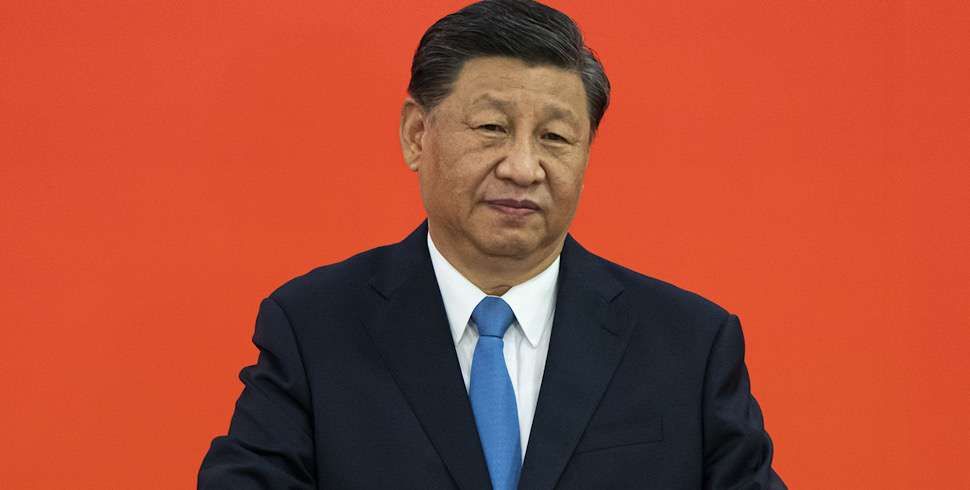
China on Wednesday called on the international community to strengthen unity and confidence and take concrete steps to improve global governance, as it released a new white paper outlining its vision for a fairer international system.
The State Council Information Office published the document, titled “A More Just and Equitable Global Governance: China’s Principles, Proposals and Actions,” in eight languages. The paper sets out Beijing’s approach to global governance and calls for broader international consensus and more effective responses to shared challenges.
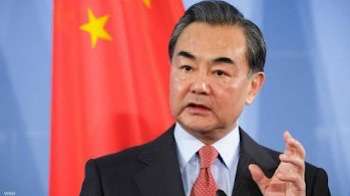
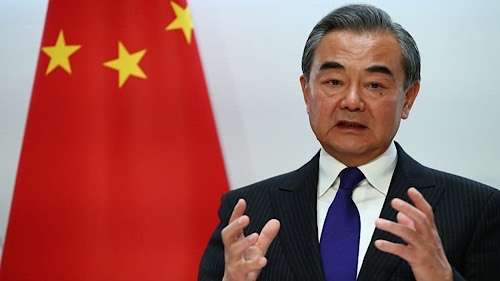
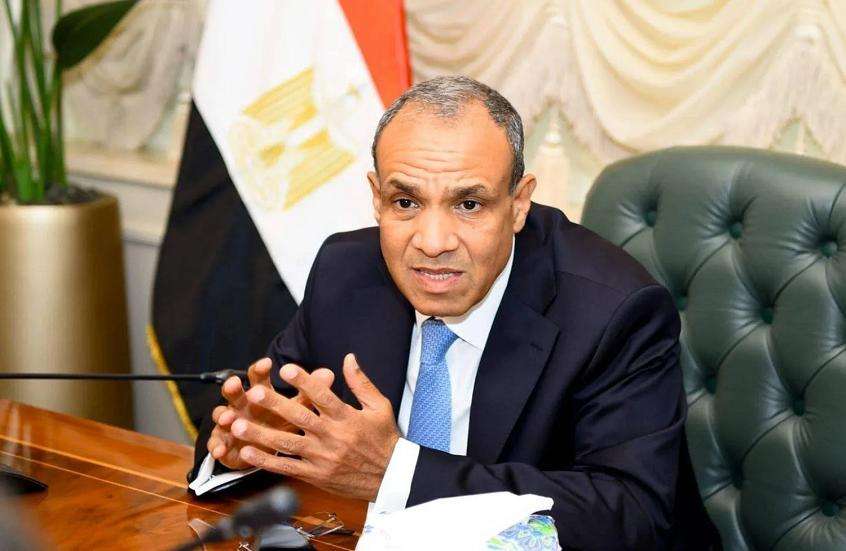
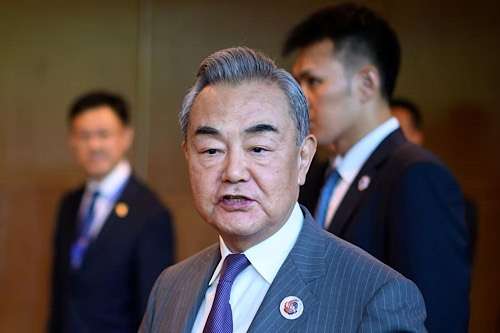
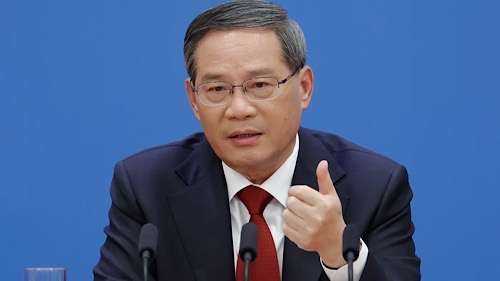
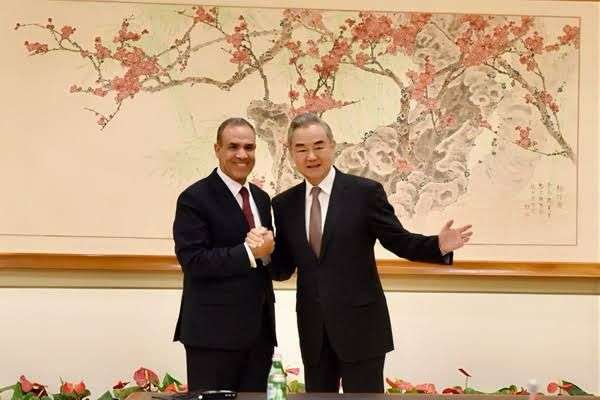
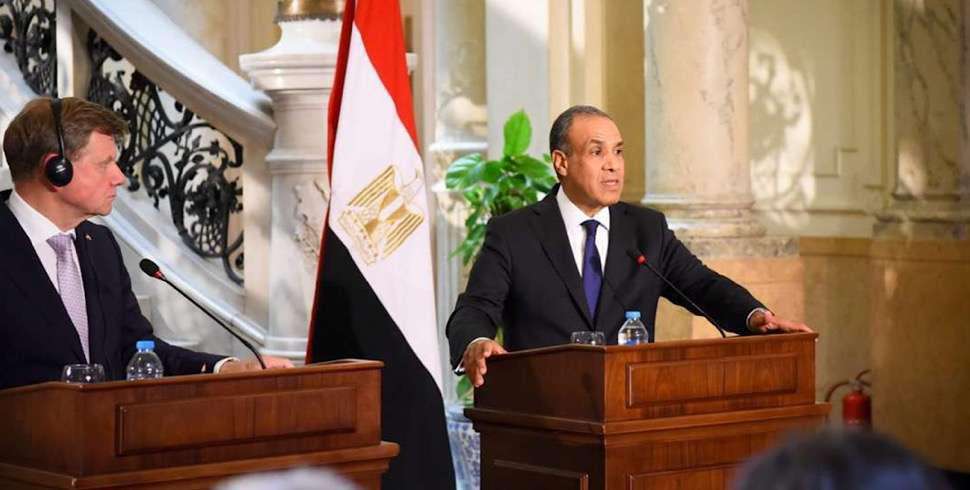
At a press conference marking the release, Foreign Minister Wang Yi said global governance issues “concern the wellbeing of all humanity,” adding that the international order established after World War II is under mounting pressure. Wang, also a member of the Political Bureau of the Communist Party of China, said China’s Global Governance Initiative answers the common aspirations of nations seeking a more effective system and “offers Chinese wisdom and solutions” to existing shortcomings.
According to the white paper, the initiative—first proposed in 2025—upholds the purposes and principles of the UN Charter and promotes a vision of global governance based on extensive consultation, joint contribution and shared benefits.
Wang said the initiative rejects a “law of the jungle” approach, insisting instead on democracy and the rule of law in international relations. He added that nearly 160 countries and international organizations have expressed support.
The white paper stresses that safeguarding the authority and central role of the United Nations is essential for effective implementation. It urges all countries to uphold the UN-centered international system, protect the international order grounded in international law, and adhere to the basic norms of global relations rather than “reinventing the wheel.”
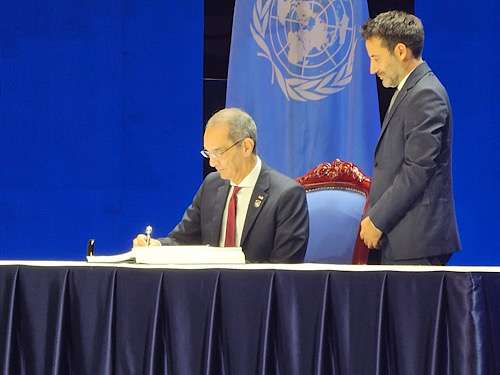
Wang said China, as the first country to sign the UN Charter, is committed to supporting the UN through the initiative and working with other nations to reinvigorate the organization and strengthen its role.
He also called for efforts to defuse regional tensions, safeguard open development, tap the potential of the Global South and address governance gaps in areas such as climate change, outer space, the polar regions and cyberspace.
China will host the first Xiong’an Forum on Global Governance this autumn, bringing together stakeholders to discuss reforms to the global governance system, Wang announced.
Responding to a question on global AI governance, Zhou Haiying, deputy head of the National Development and Reform Commission, said China is committed to multilateralism, openness and inclusiveness and is actively promoting international cooperation on artificial intelligence.
Zhou said China will host the 2026 World Artificial Intelligence Conference and a high-level meeting on global AI governance in Shanghai in July. “China hopes to use this opportunity to further strengthen international cooperation with all parties in the field of artificial intelligence,” he said.