



















































































































































































































































































































































































































































































































































































































































































































































































































































































































































































































































































































































































































































































































































































































































Friday, 09 October 2026
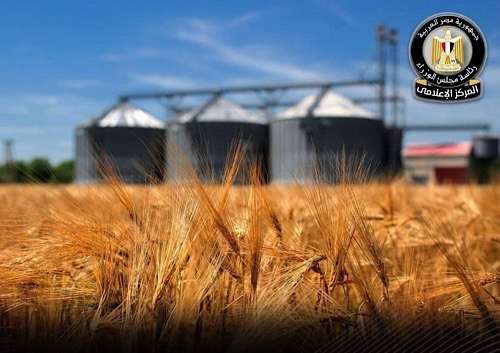
Egypt’s wheat imports are forecast to fall by about 23 percent to around 12 million tonnes in the 2026/27 season, as higher domestic production and carry-over stocks reduce the need for foreign supplies, according to US Department of Agriculture projections cited in the report.
The USDA forecasts stronger agricultural output, supported by efforts to expand wheat cultivation and raise yields through modern farming techniques, early-maturing, high-yield varieties and wider distribution of certified seeds.
Government purchases of locally grown wheat in 2026 exceeded a target of five million tonnes, rising about 30 percent from four million tonnes in the previous season, the report said. Higher government purchase prices encouraged farmers to plant more wheat and deliver larger quantities, supporting domestic supplies and strategic reserves.
Corn production is also expected to increase, helped by new high-yield varieties, improved pest control, agricultural extension services and planting at recommended times. Strong demand for livestock and poultry feed has encouraged farmers to adopt recommended practices, according to the report.
Investment and expanded production projects have also boosted Egypt’s poultry sector. In 2025/26, the country produced about 1.6 billion chickens, alongside 320 million from rural production, meeting about 97 percent of domestic demand. Table egg production rose to 16 billion eggs, from around 14 billion before 2023.
Egypt is Africa’s leading aquaculture producer, with annual output of nearly 1.6 million tonnes of fish. Private fish farms account for about 80 percent of production, the report said.
The improvement in domestic supplies coincided with a slowdown in inflation in August 2026. Annual urban inflation eased to 14.5 percent from 14.9 percent in July, while food and beverage prices fell 1.1 percent month on month.