


































































































































































































































































































































































































































































































Friday, 09 October 2026
 Source: Egypt’s Ministry of Tourism and Antiquities
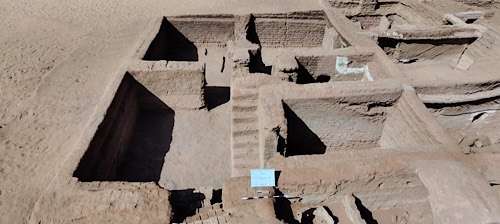
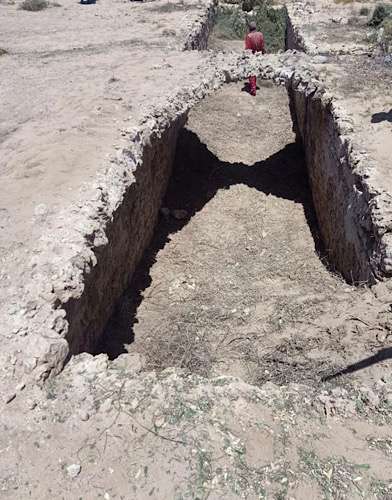
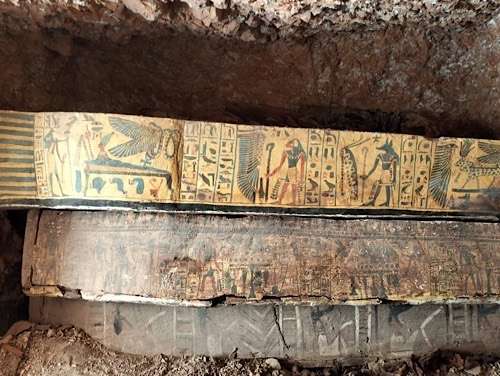
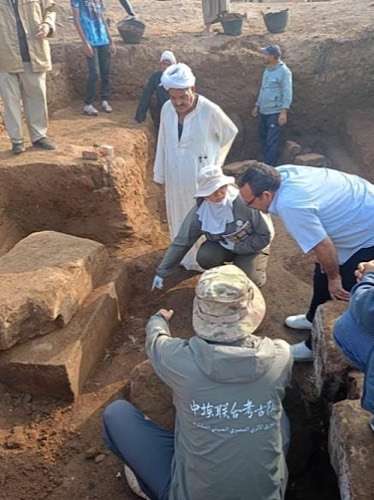
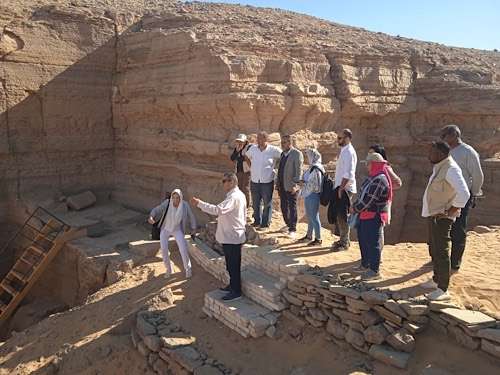
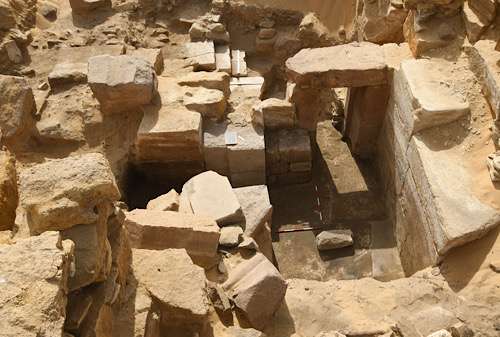
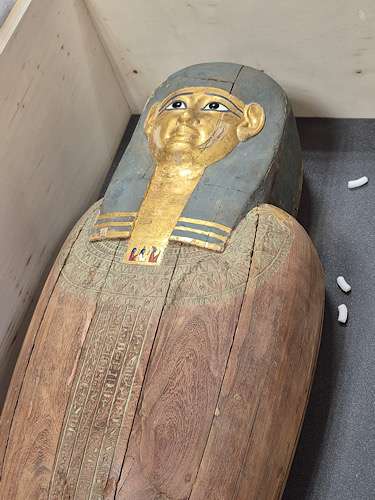
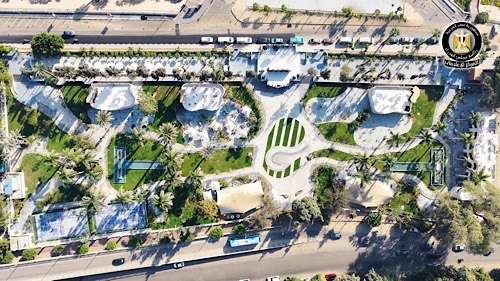
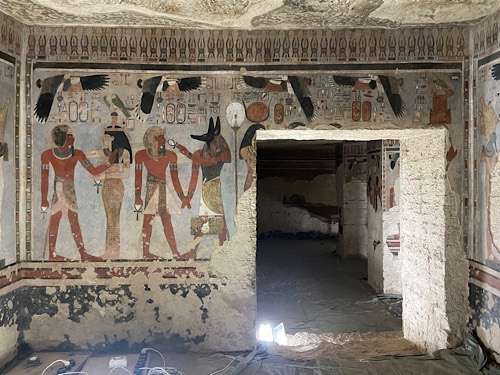
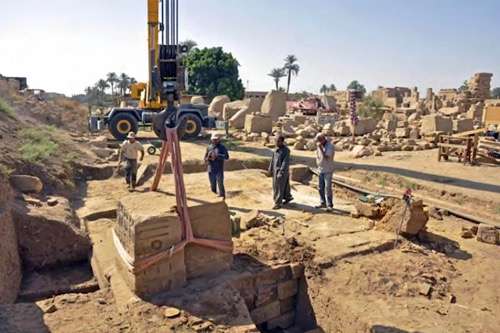
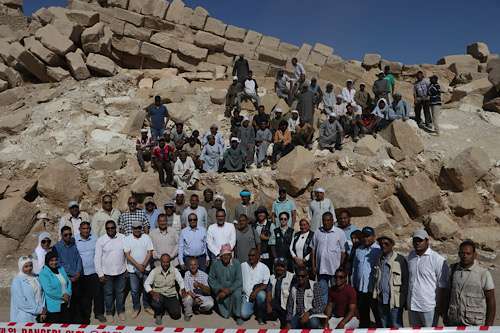
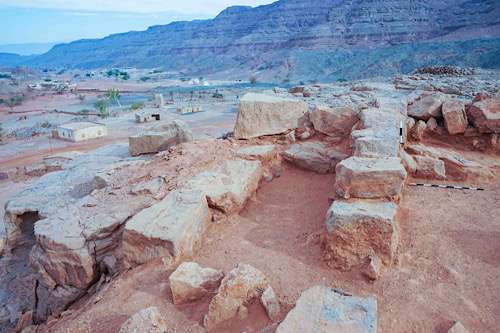
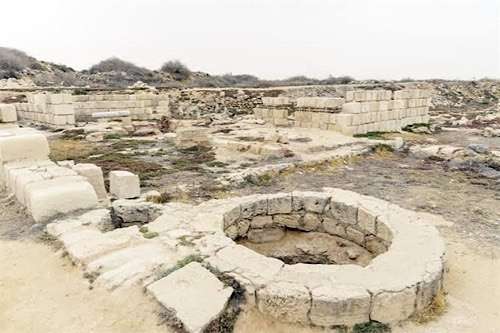
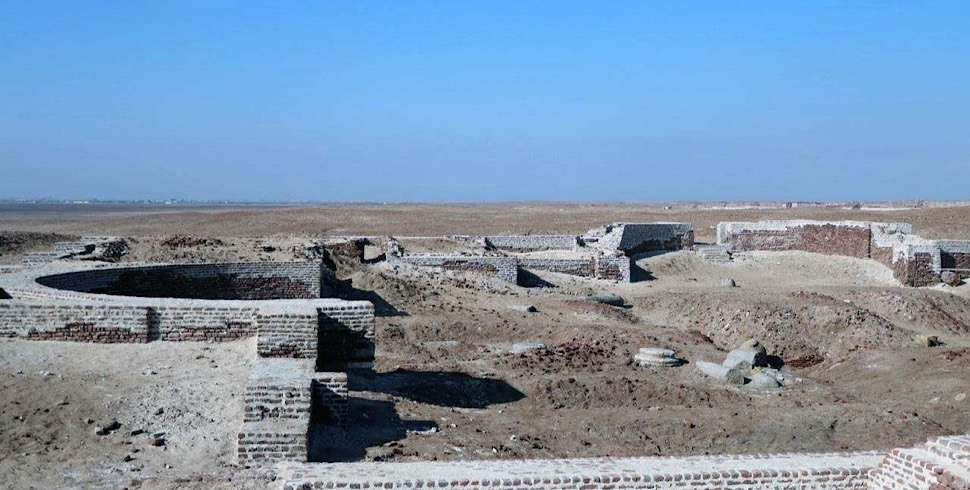
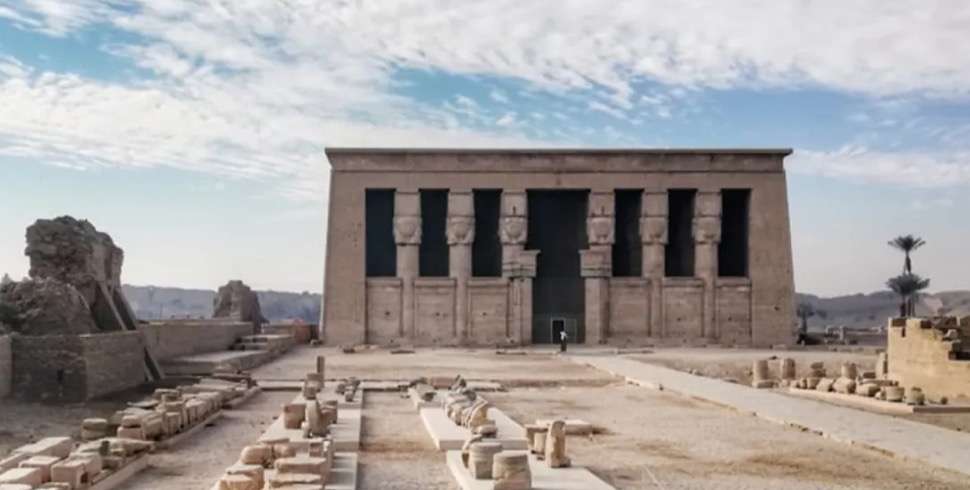
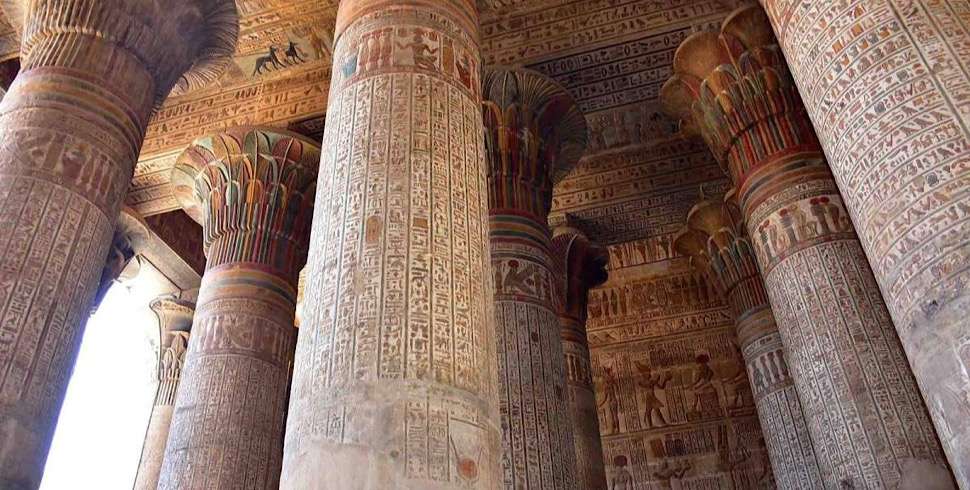
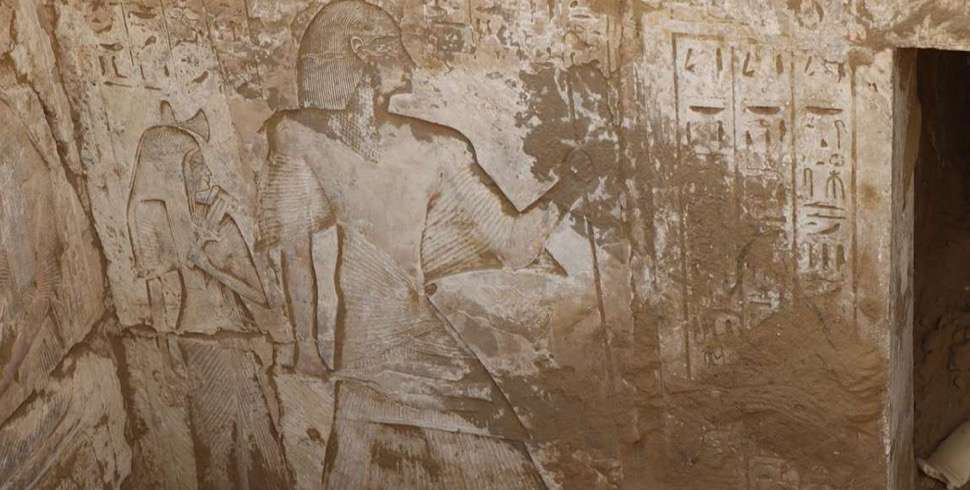
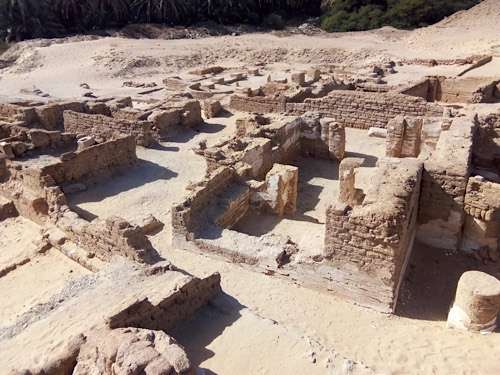
An Egyptian archaeological mission has uncovered the remains of the principal residential city of the Kharga Oasis, revealing critical evidence from the early Coptic period during Egypt’s transition from paganism to Christianity. The significant find was made by the Egyptian Supreme Council of Antiquities at the Ain el-Kharab site in the New Valley Governorate’s Kharga Oasis.
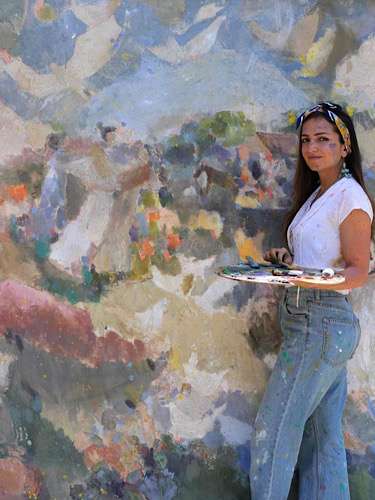
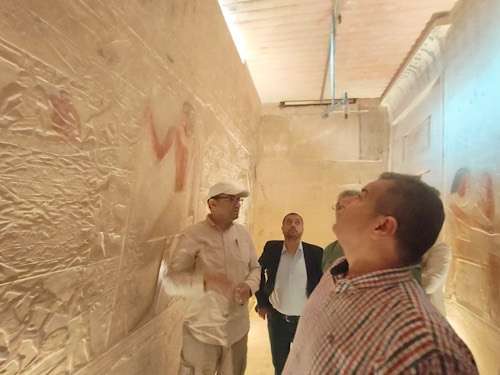
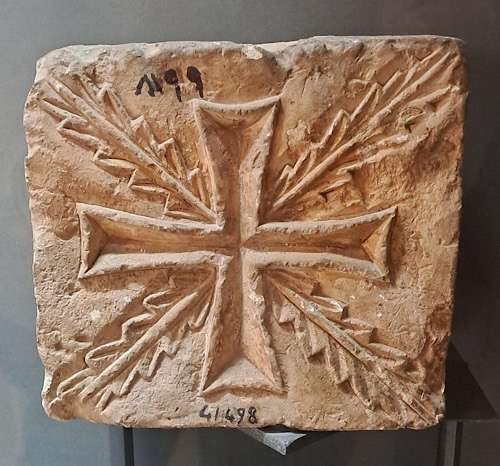
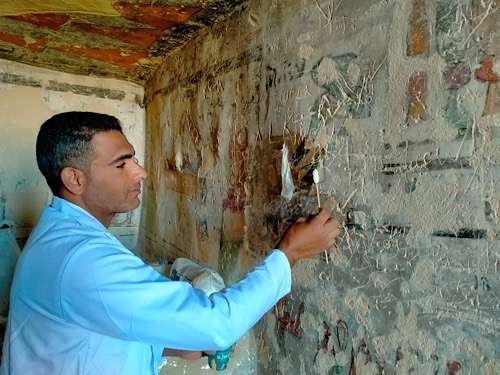
The excavation has revealed ruins of residential buildings, churches, graves, and a remarkable wall painting depicting Jesus Christ healing the sick. Archaeologists say these discoveries offer new insight into the cultural and religious transformation that swept through Egypt at the dawn of Christianity.
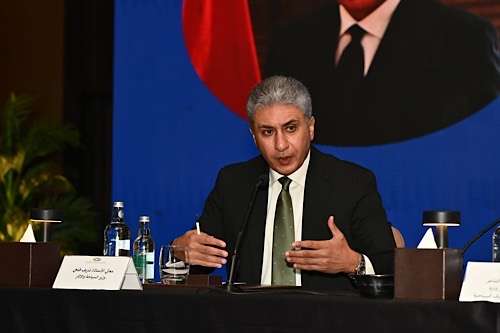
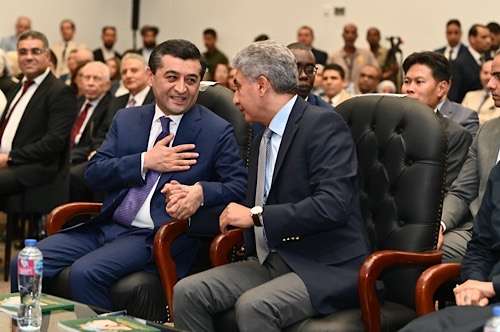
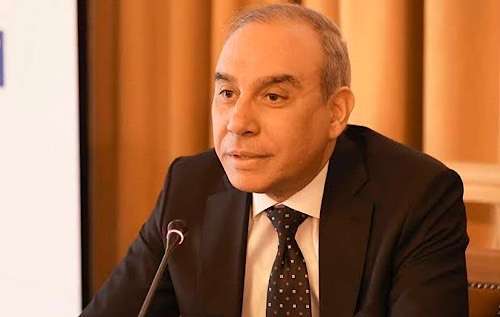
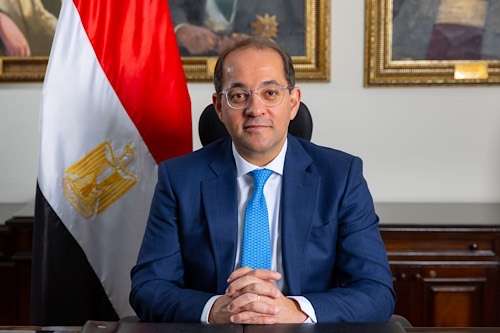
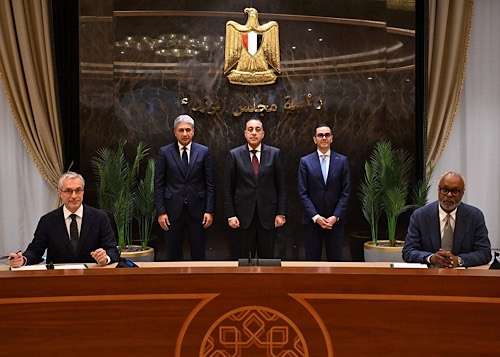
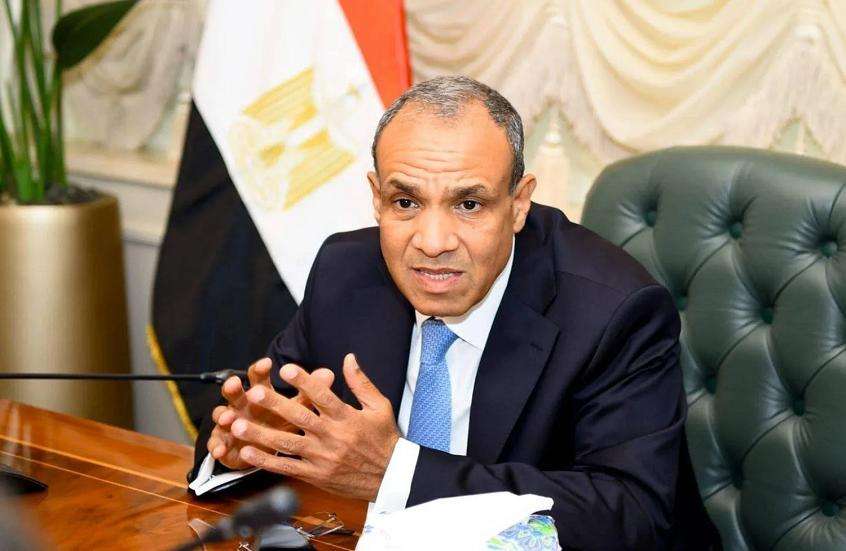
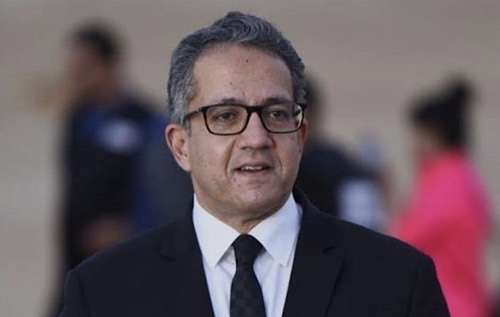
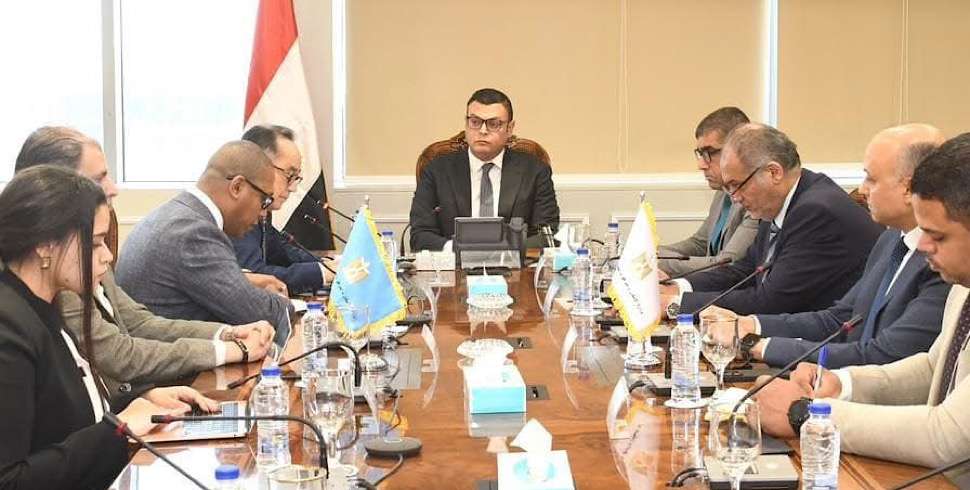
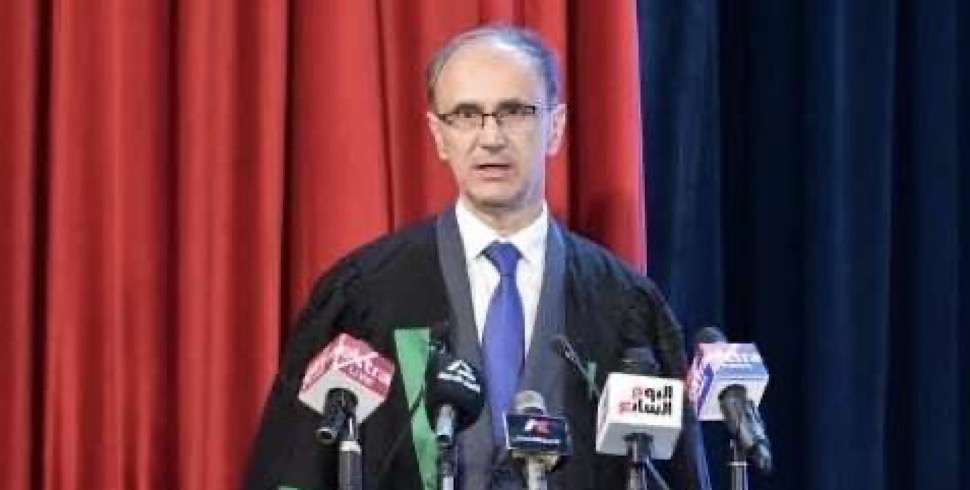
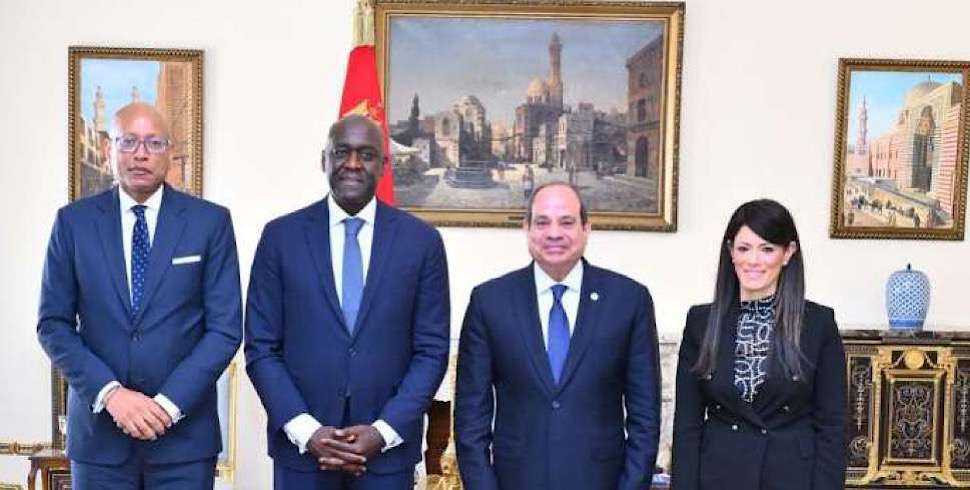
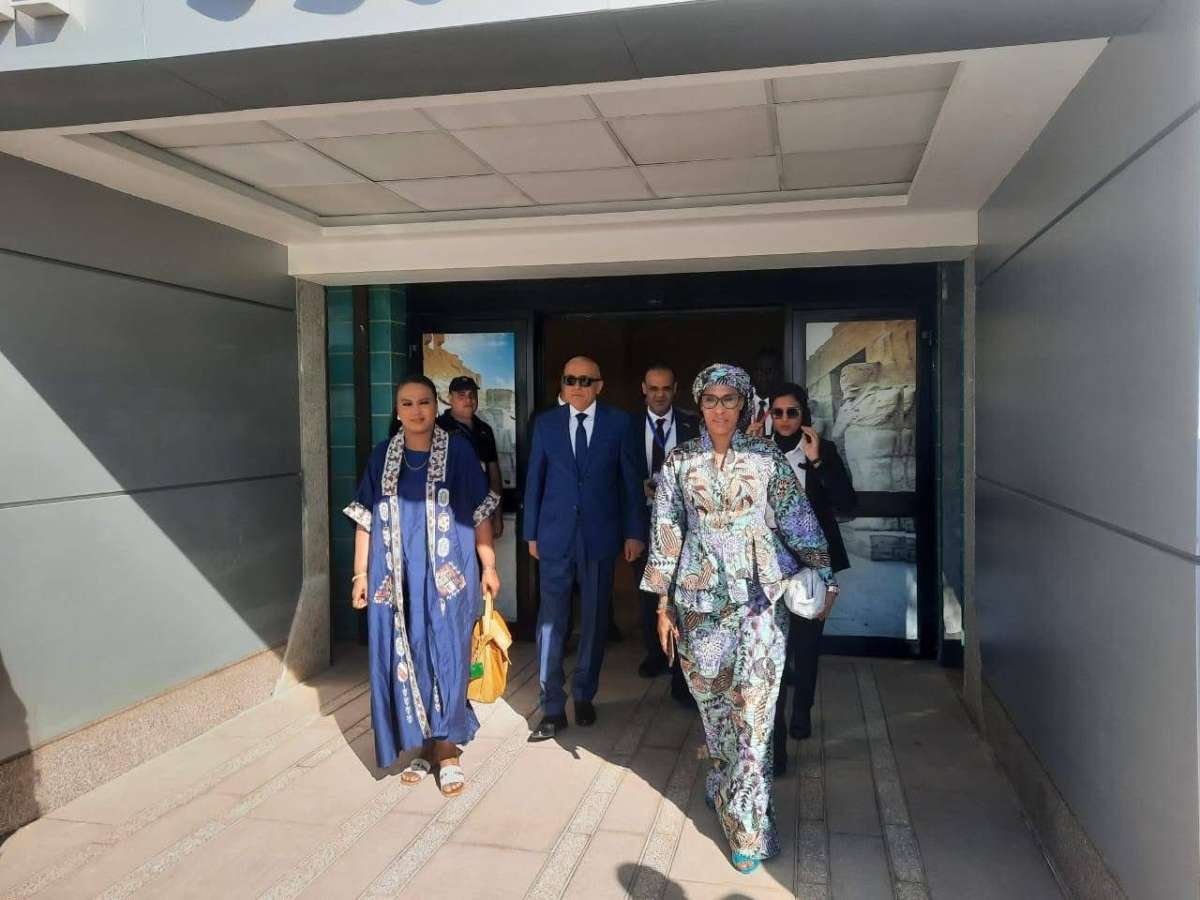
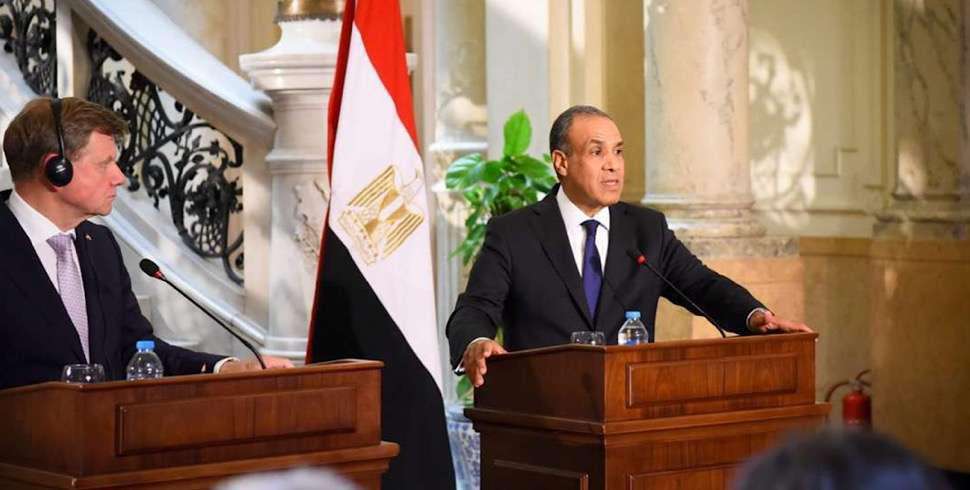
“This discovery highlights the richness and diversity of Egyptian civilization through pivotal and sensitive periods in history,” said Mr. Sherif Fathy, Egypt’s Minister of Tourism and Antiquities. “It deepens our understanding of the religious transformation in Egypt and demonstrates the spirit of tolerance and cultural diversity that has long distinguished our heritage.” Minister Fathy praised the continued efforts of Egyptian archaeological teams and affirmed the ministry’s dedication to supporting excavations across the country.
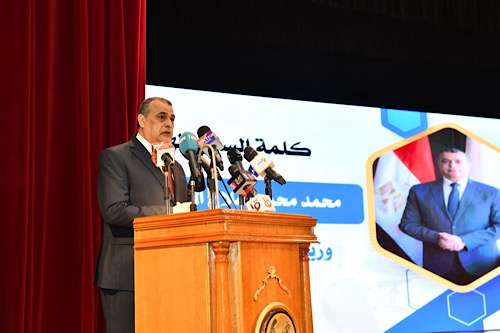
Dr. Mohamed Ismail Khaled, Secretary-General of the Supreme Council of Antiquities, emphasized the find’s significance for understanding the early Coptic era in Egypt and reaffirmed the historic importance of Egypt’s western oases as centers of religious and social life over the centuries.
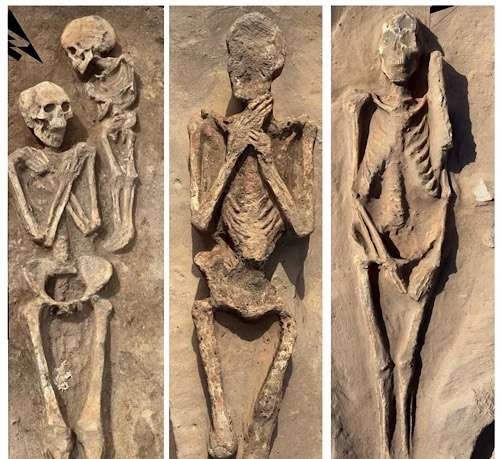
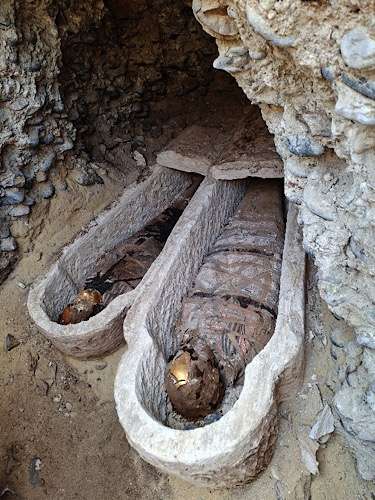
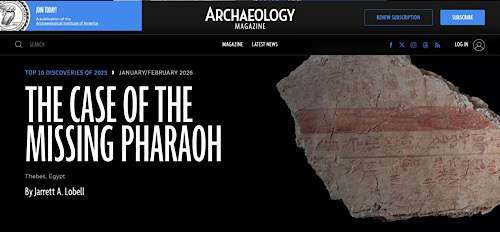
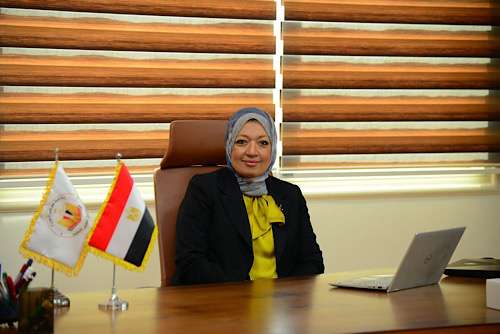
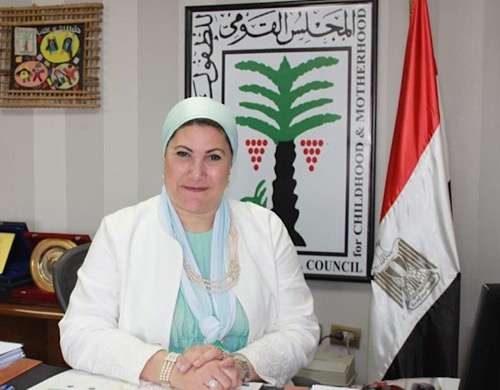
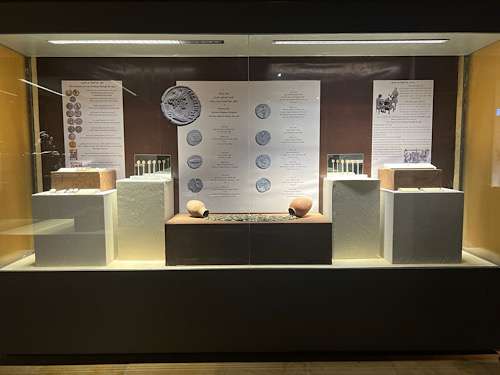
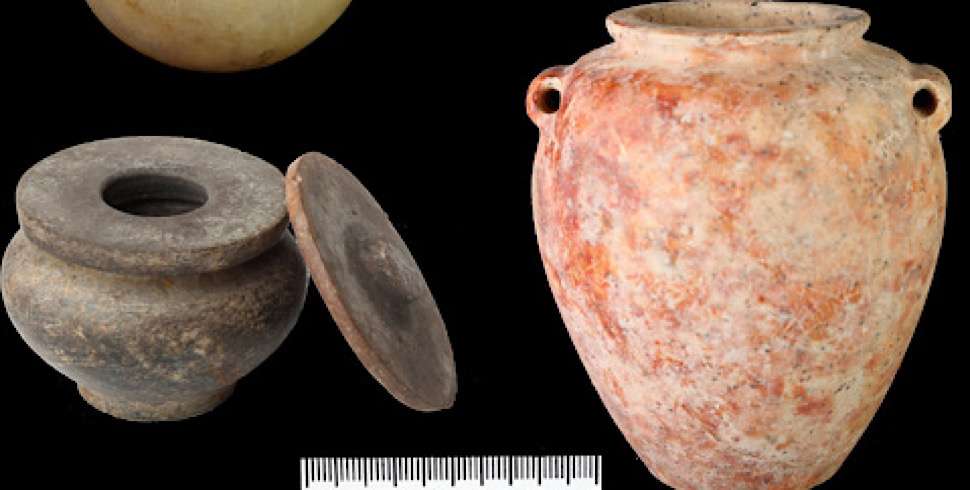
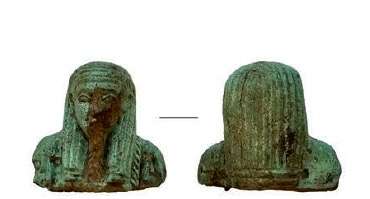
According to Dr. Siham Ismail, Director-General of Kharga Antiquities and head of the mission, the team unearthed remains of the city, including mud-brick homes, service areas with ovens, and storage rooms featuring large pottery containers once used for grains and food. Artifacts found at the site include ostraca (inscribed pottery sherds), ceramics, stone and glass fragments, burial sites, and the notable depiction of Christ healing the sick.
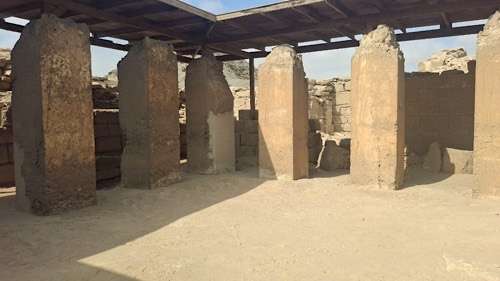
The dig also uncovered the remains of two churches. The first, a basilica-style structure, features a large main hall divided by rows of square columns and several service buildings to the south. The second, a smaller rectangular church surrounded by seven external columns, boasts Coptic inscriptions on its walls and adjacent service buildings.
Most of the structures indicate continued habitation throughout various historical periods. Buildings from the Roman era were used and adapted during the early Coptic period, and even into the Islamic era, underscoring Kharga’s ongoing importance through the ages.
Archaeologists say the findings contribute to a broader understanding of religious coexistence and transitions in Egypt and highlights the Western Desert oases as vibrant centers of cultural exchange throughout the country’s history.