























































































































































































































































































































































































































































































































































































































































































































































































































































































































































Friday, 09 October 2026
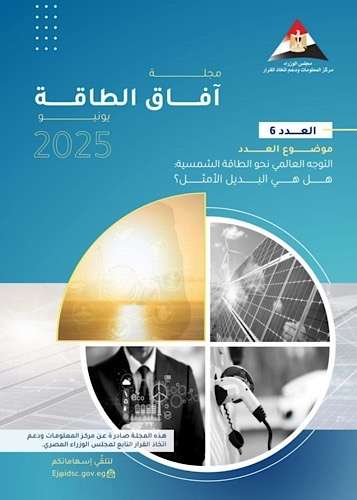
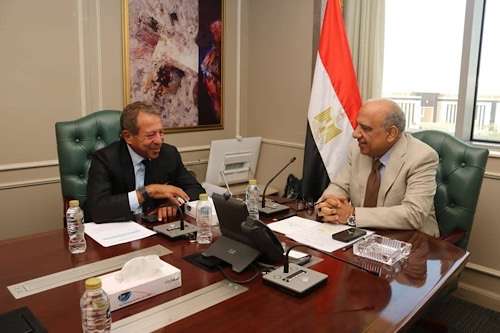
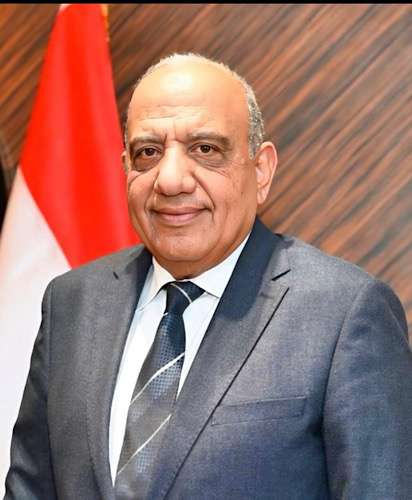
In the sixth issue of Energy Horizons, a semi-annual magazine published by the Information and Decision Support Center (IDSC) of the Egyptian Cabinet, Eng. Karim Badawi, Minister of Petroleum and Mineral Resources, highlighted the critical role of solar energy in advancing energy efficiency within Egypt’s petroleum sector. The article, titled “Solar Energy: A Strategic Lever for Achieving Energy Efficiency in Egypt’s Petroleum Sector,” underscores the urgent need to reassess traditional oil production methodologies in light of global shifts in energy security and climate change.
Strategic Shift Toward Renewable Energy
Minister Badawi emphasized that the petroleum and gas industry remains a cornerstone of Egypt’s economic growth, with a direct correlation between its performance and national economic progress. However, global challenges related to energy security and climate change have necessitated a reevaluation of production approaches to enhance operational efficiency and environmental sustainability. To this end, Egypt has strategically integrated renewable energy sources, particularly solar power, into a sector traditionally reliant on fossil fuels. This move aims to balance industrial development with environmental preservation, supporting Egypt’s Vision 2030 and its commitment to sustainable development and a low-carbon economy.
Economic Contributions and Sector Growth
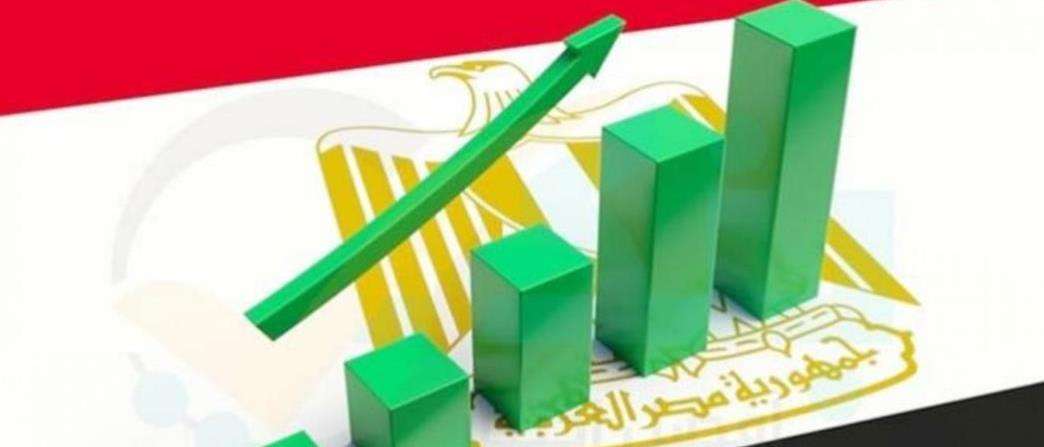
The petroleum sector significantly contributes to Egypt’s GDP, reaching approximately EGP 517 billion in the 2023/2024 fiscal year, up from EGP 137.7 billion in 2014/2015. The sector also plays a vital role in generating foreign currency, creating thousands of direct and indirect jobs, and supplying energy and raw materials to critical industries such as electricity, transportation, petrochemicals, and manufacturing. Between July 2014 and June 2023, the sector saw investments of approximately EGP 1.2 trillion in diverse projects, including natural gas and crude oil field development, petroleum refining, petrochemical production, pipeline expansion, storage facilities, and gas delivery to households.
Commitment to Energy Efficiency
Since February 2015, Egypt has prioritized energy efficiency in the petroleum sector through the formation of the Supreme Committee for Rationalizing and Improving Energy Efficiency. This committee has driven the adoption of policies, strategies, and projects to optimize energy use, including technical cooperation with international organizations. In 2017, a modernization program was launched, resulting in nearly 340 initiatives that saved approximately $135.5 million annually and reduced carbon emissions by 1.2 million tons of CO2 equivalent per year.
Building on these efforts, the Ministry of Petroleum and Mineral Resources introduced the “Petroleum Sector Energy Efficiency Strategy 2022-2035,” a comprehensive roadmap for energy transition and emissions reduction. The strategy targets a 10% reduction in energy consumption by 2027 and an 18% reduction by 2035, with 48 specific goals to ensure long-term improvements. Key pillars include enhancing energy efficiency across all stages of the petroleum industry, expanding the use of clean energy sources like solar and wind, adopting clean technologies, and supporting a green economy through low-carbon projects.
Solar Energy as a Game-Changer
Solar energy has emerged as a pivotal component of Egypt’s energy transition strategy, leveraging the country’s abundant natural and technical resources. The Integrated and Sustainable Energy Strategy aims for renewables to account for 42% of Egypt’s electricity mix by 2030, with solar energy contributing over 26%. The petroleum sector is actively deploying solar power to operate production units and logistical services in various oilfields, yielding significant economic and environmental benefits:
Applications of Solar Energy in the Petroleum Industry
Solar energy is being integrated across various stages of the petroleum industry, enhancing efficiency and sustainability:
Key Projects and Achievements
The Ministry of Petroleum, in collaboration with its subsidiaries, has launched several strategic solar energy projects:
International Collaboration and Future Initiatives
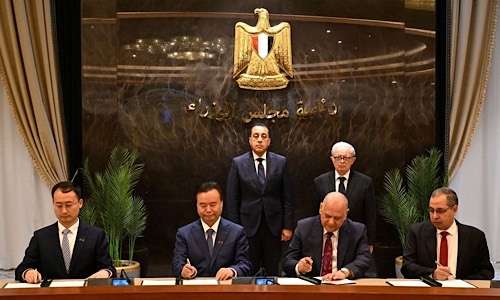
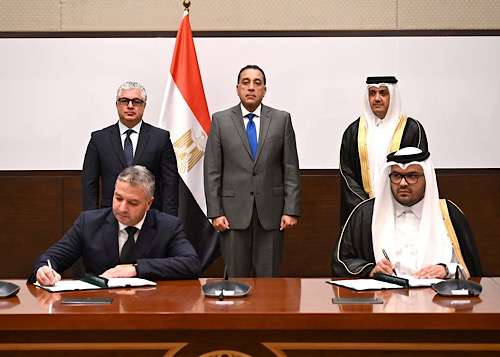
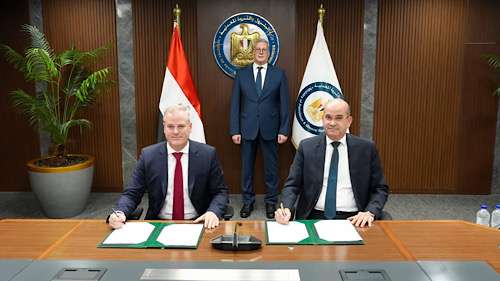
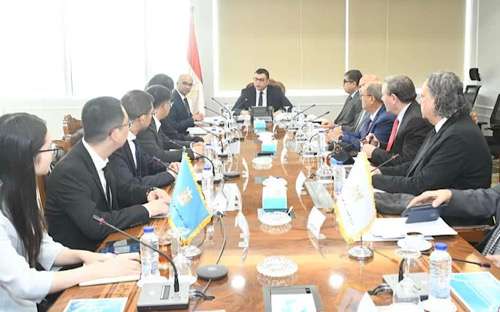
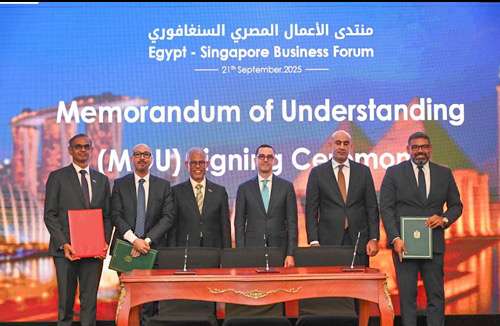
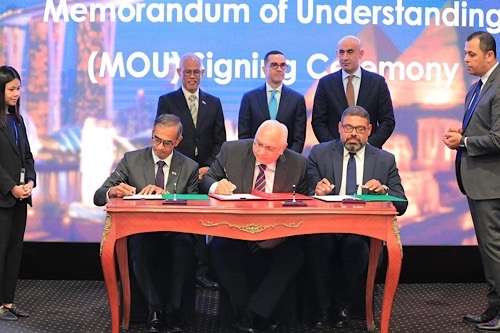
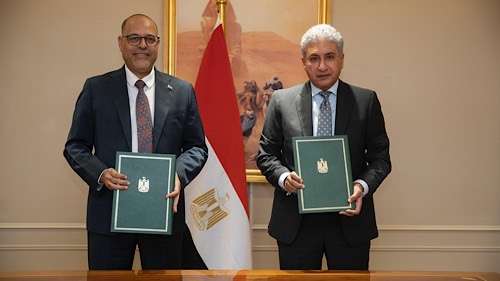
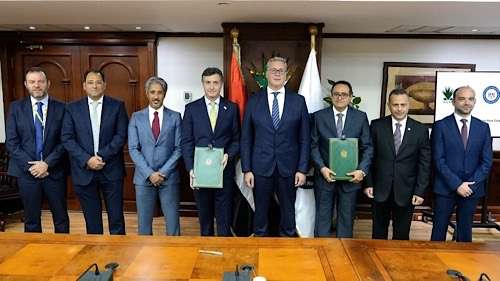
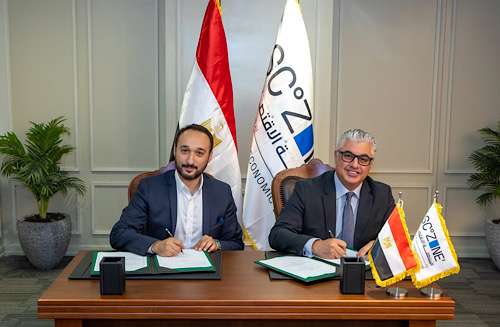
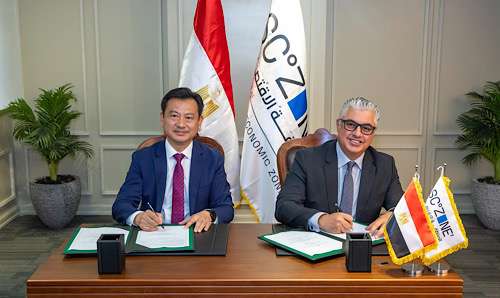
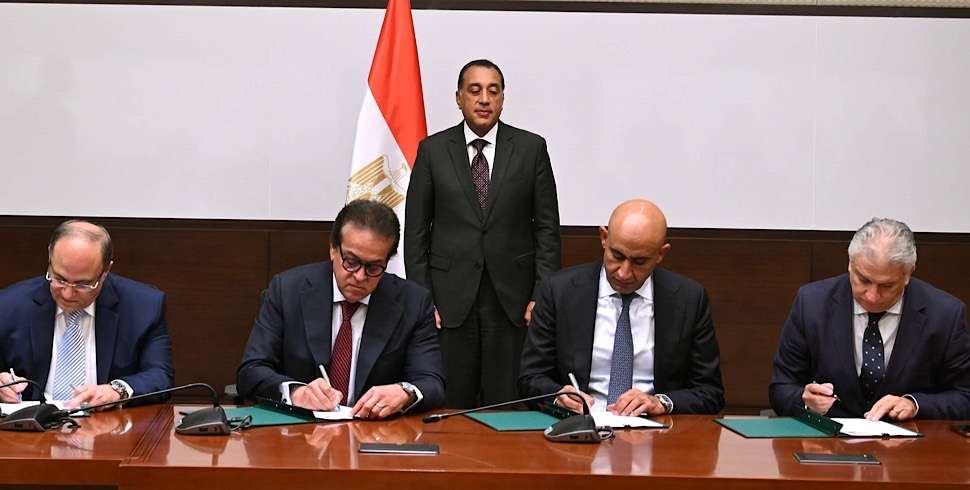
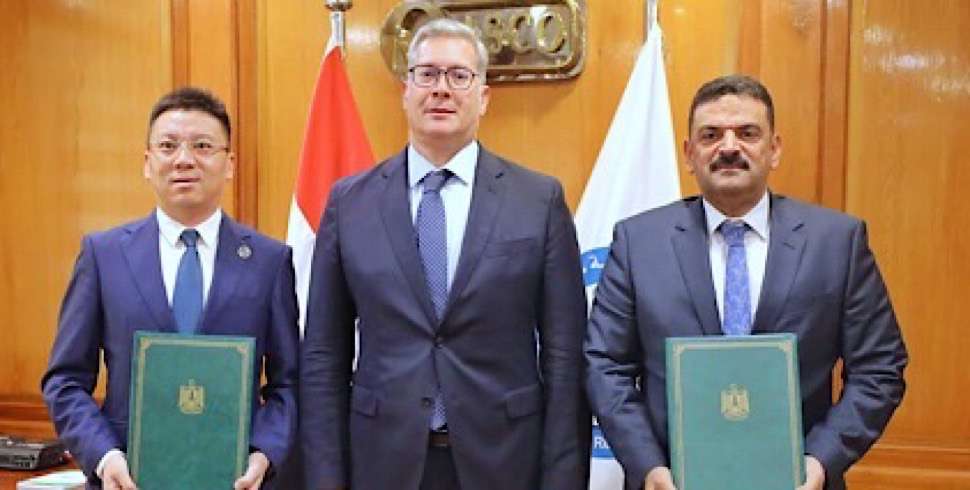
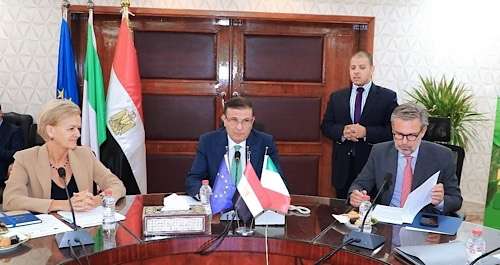
In February 2025, the Ministry signed an MoU with Huawei Egypt to advance solar energy and renewable energy network projects, with implementation starting in the first half of 2025. The Green Ammonia Project in Damietta, a $900 million investment, includes a 190 MW solar plant, 340 MW wind power, and a 240 MW electrolyzer for green hydrogen production. Additionally, a database for energy consumption monitoring is being developed to identify high-consumption companies and implement energy-saving projects.
A Vision for a Sustainable Future
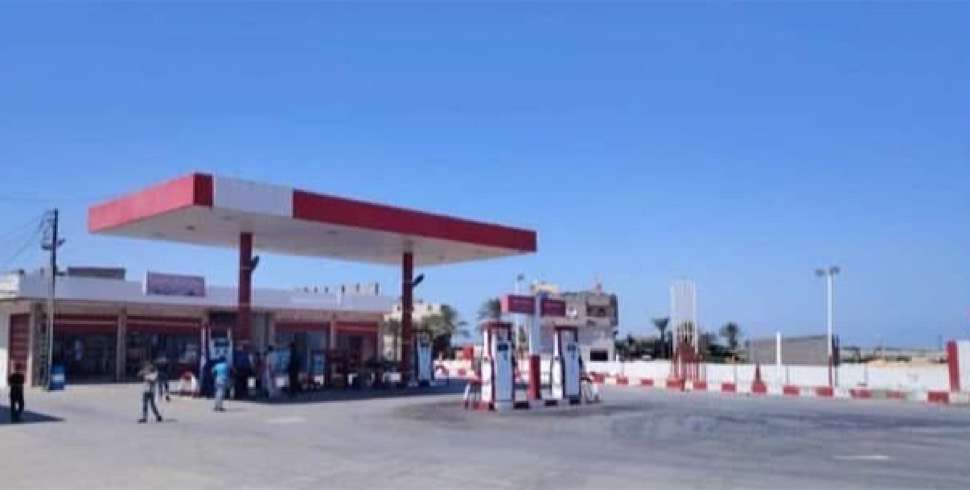
Minister Badawi concluded that these efforts reflect Egypt’s serious commitment to integrating renewable energy, particularly solar power, across all facets of the petroleum sector—from exploration and refining to logistics and fuel stations. This transition strengthens Egypt’s ability to meet its international climate commitments, positions it as a regional hub for sustainable energy, and paves the way for a more efficient, low-carbon future in alignment with Egypt’s Vision 2030. By prioritizing resource sustainability and environmental protection, Egypt is ensuring a greener legacy for future generations.