





















































































































































































































































































































































































































































































































































































































































































































































































































































































Friday, 09 October 2026

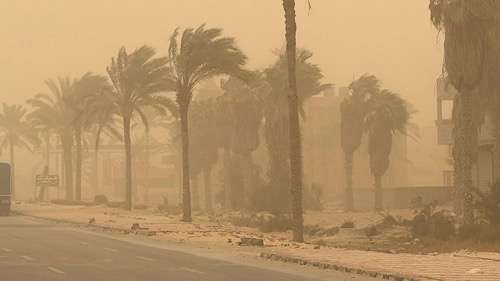
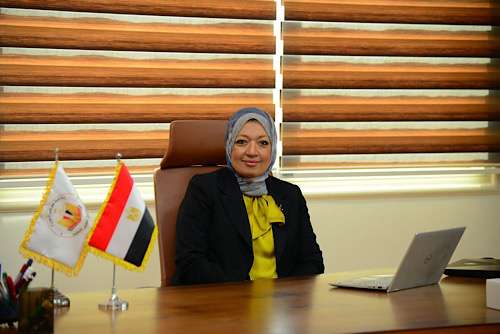
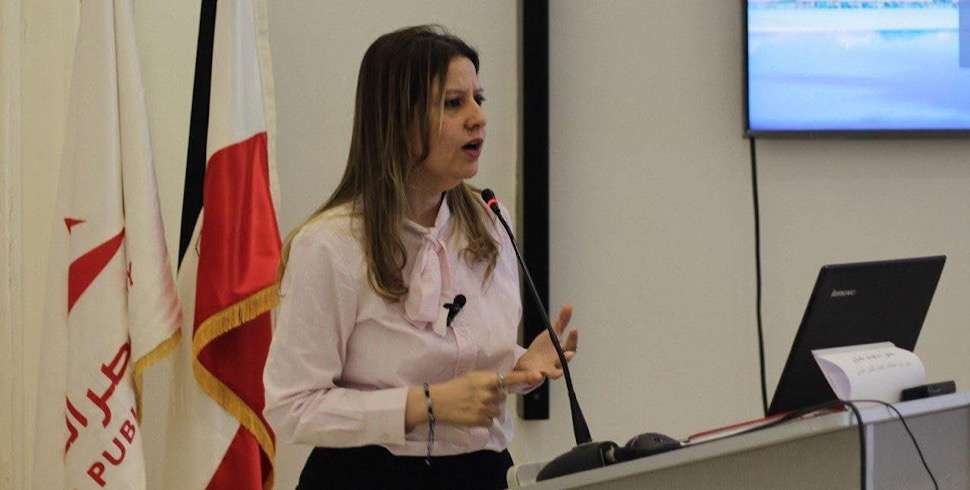
Dr. Manar Ghanem, a member of Egypt’s General Meteorological Authority, has announced that the seasonal Indian monsoon low has started to affect the country since last week.
This weather system is expected to continue its impact throughout the summer, leading to the higher temperatures and increased humidity that many residents are currently experiencing—even though recorded temperatures remain close to the seasonal average.
Speaking on the morning program “Sabah El Balad” on Sada El Balad TV, Dr. Ghanem explained that the monsoon low brings extremely hot air masses traveling over the Arabian Peninsula and the Mediterranean Sea.
As these air masses cross the sea, they pick up large amounts of moisture, which leads to higher humidity. This increase in humidity is the main reason why the weather feels hotter, especially during the Egyptian summer.
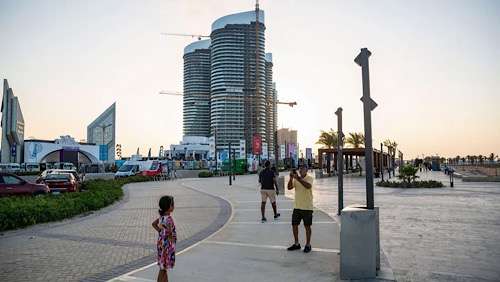
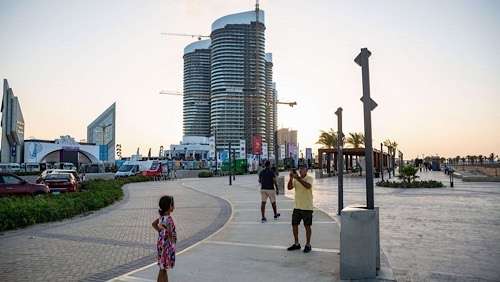
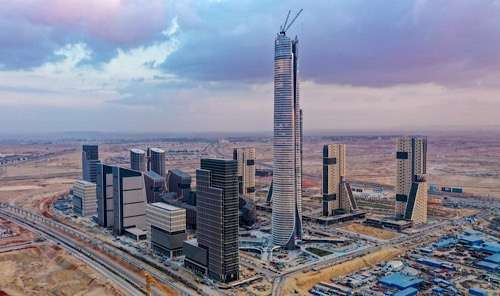
She also mentioned that, at the moment, more moderate air is arriving from southern Europe via the Mediterranean Sea. This has helped to slightly lower nighttime temperatures and bring more pleasant conditions, particularly in new cities and open areas, supported by periods of gentle winds.
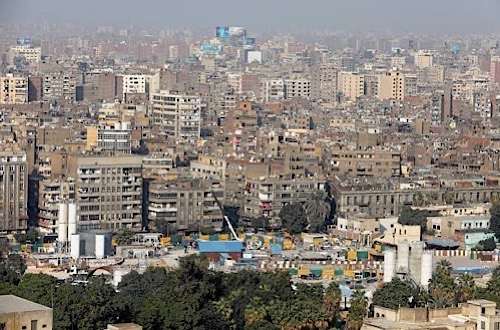
However, Dr. Ghanem warned that temperatures are expected to rise slightly starting Friday, and in Greater Cairo, the thermometer will read between 35°C and 36°C (95–97°F) in the shade. Because of high humidity, however, it will feel more like 37°C to 38°C (98–100°F). The actual sensation of heat may vary depending on wind activity.
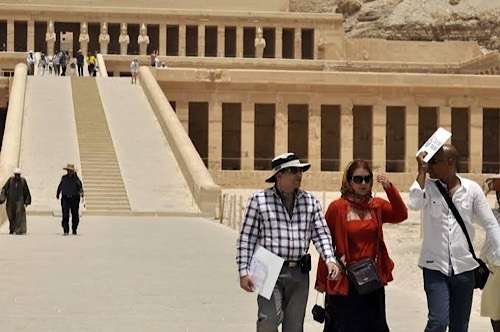
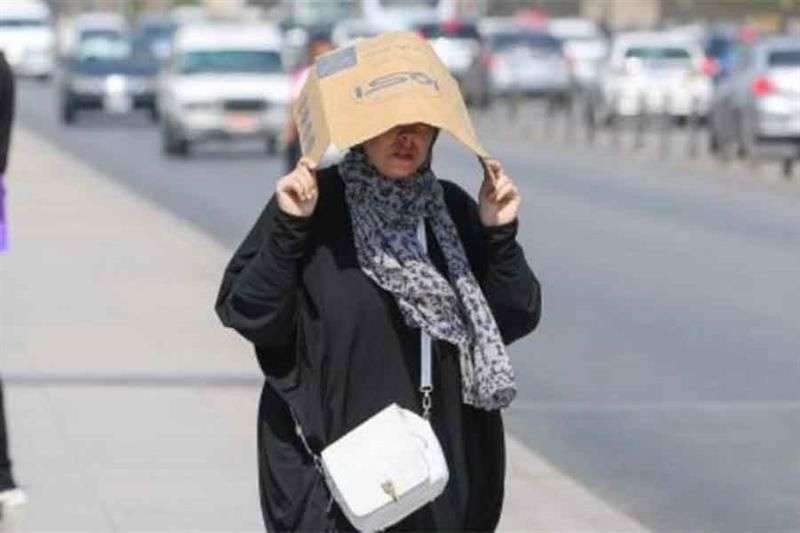
Dr. Ghanem emphasized the importance of avoiding direct sunlight during peak hours—from 11 am until 4 pm. She encouraged everyone to use sun protection such as umbrellas or hats, stay in well-ventilated places, drink plenty of water, and avoid overheating to prevent sunstroke and heat exhaustion.
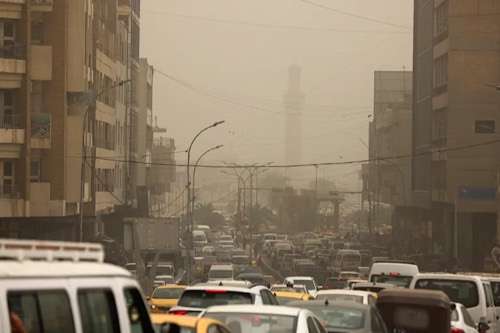
Finally, she pointed out that early morning fog continues to be a concern in western regions, central Sinai, and canal cities due to high humidity and calm winds, which can reduce visibility for travelers.