

































































































































































































































































































































































































Friday, 09 October 2026
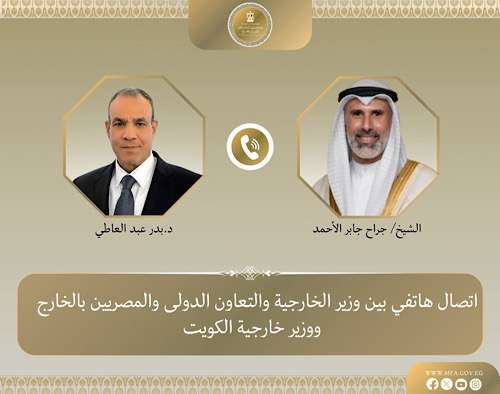
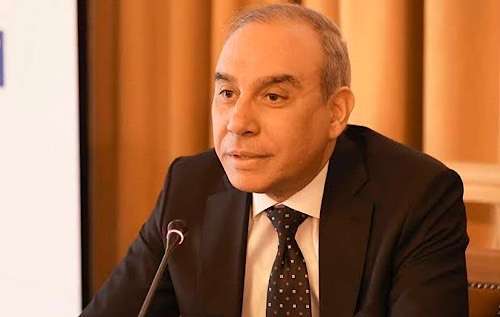
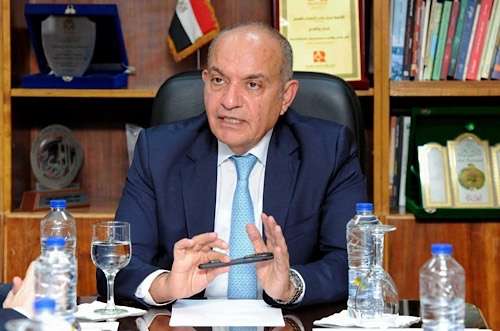
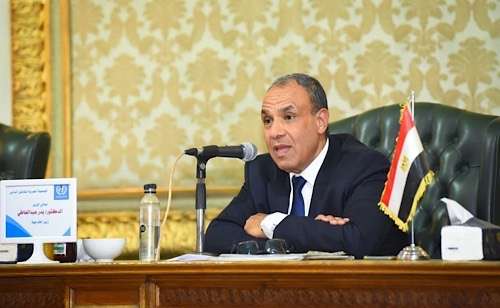
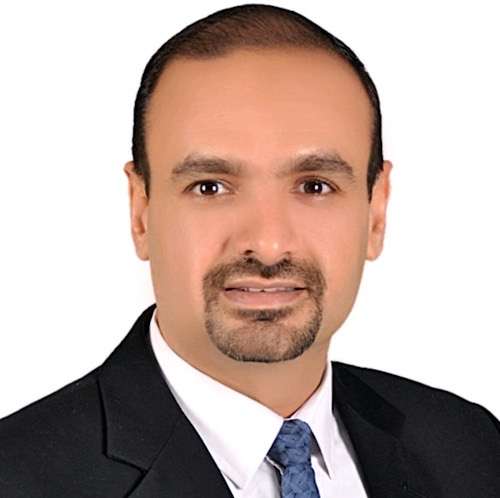
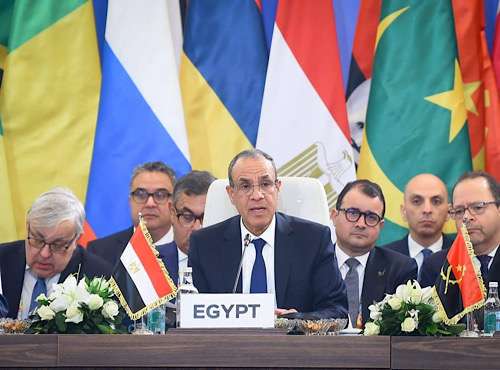
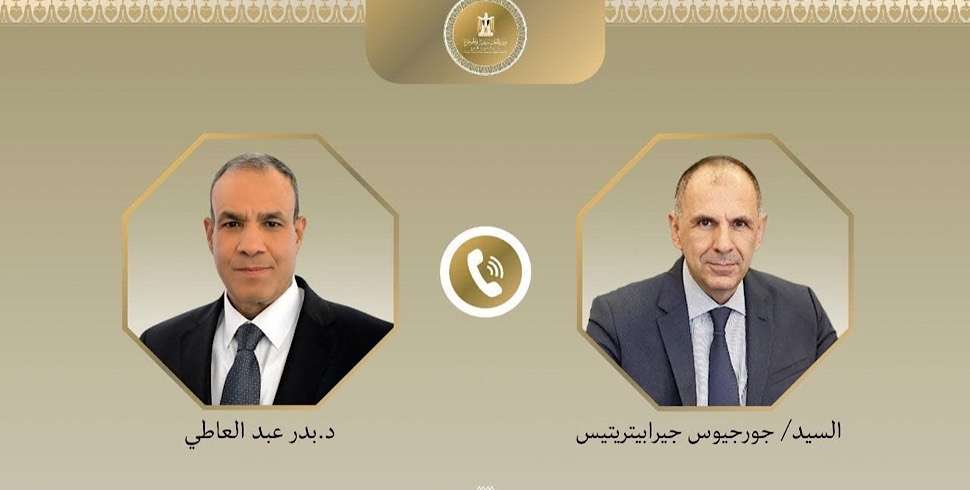
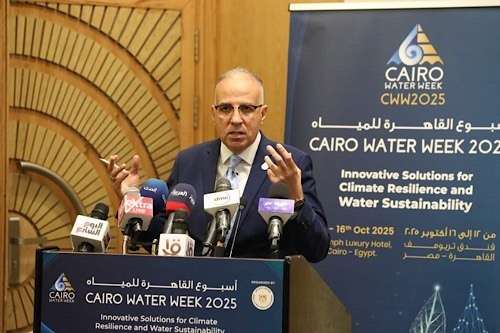
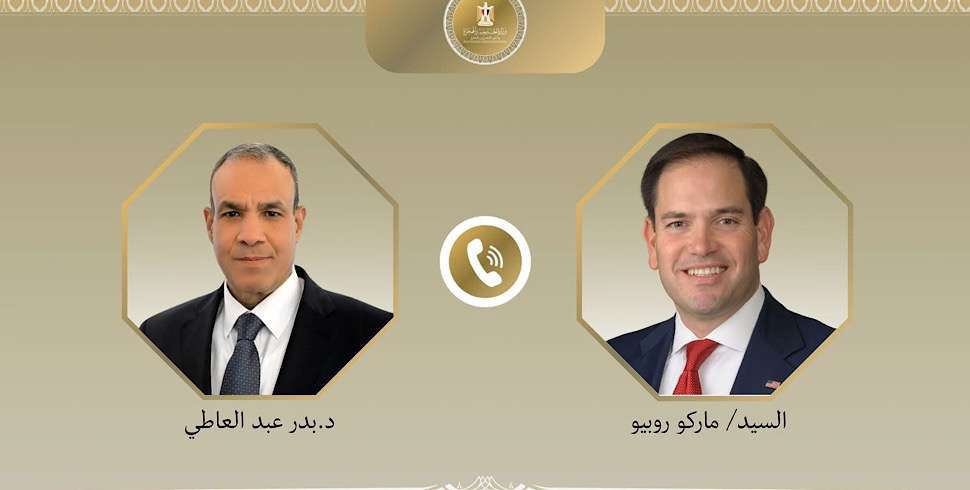
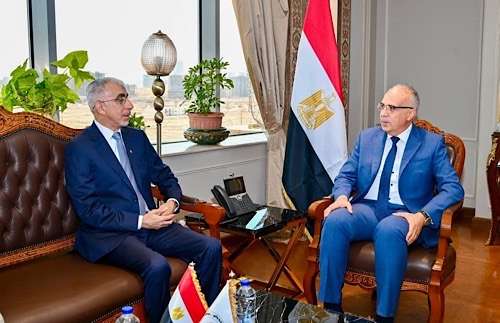
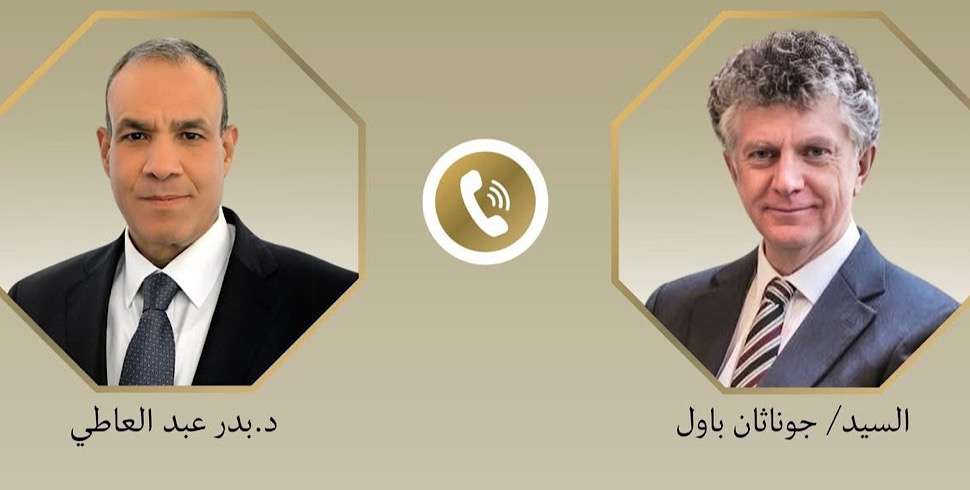
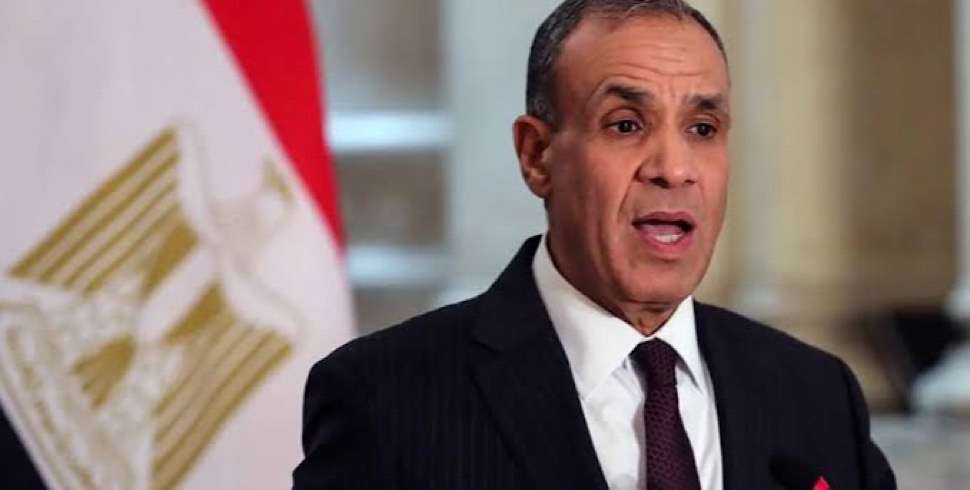
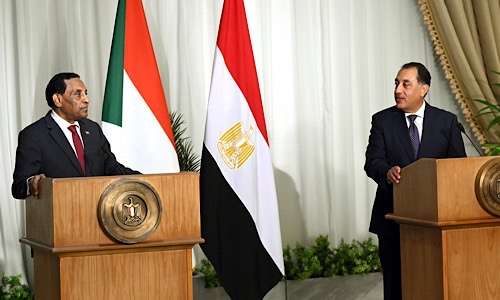
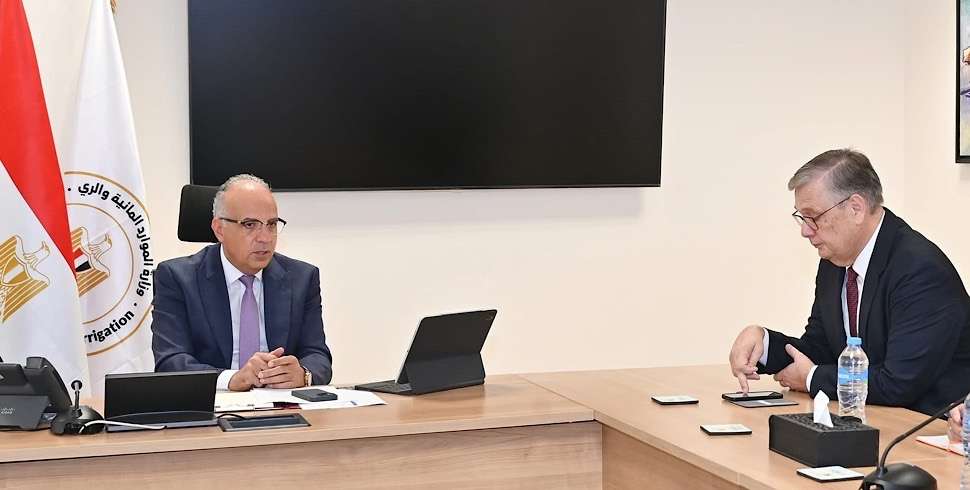
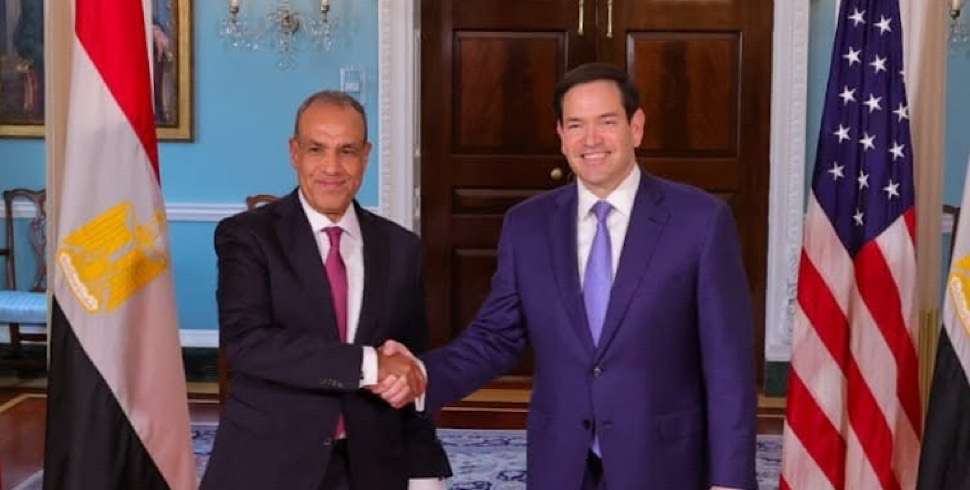
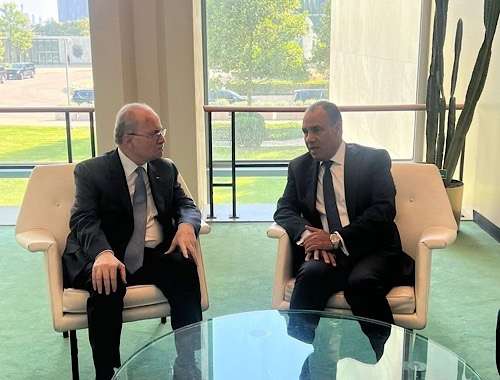
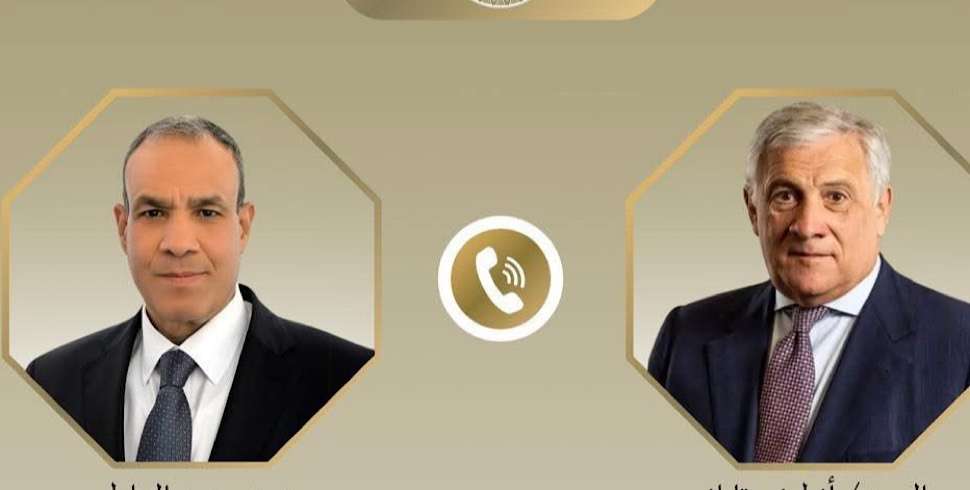
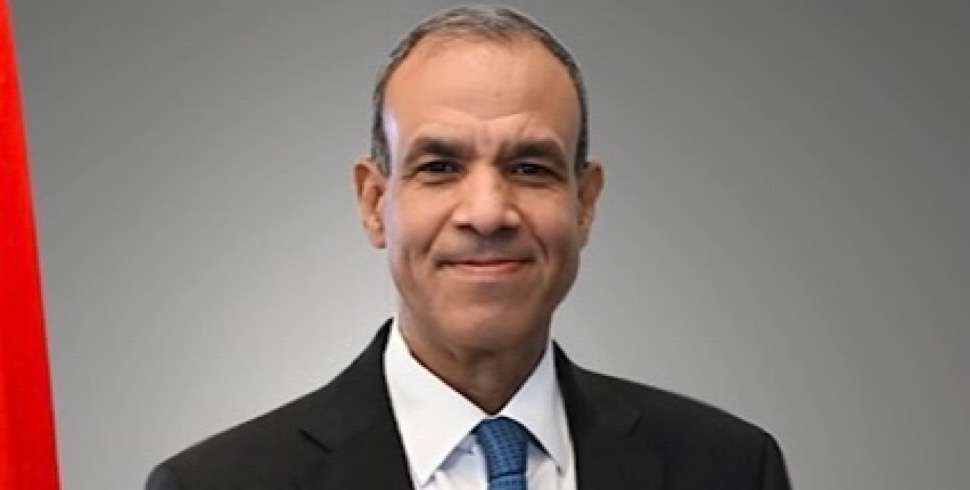
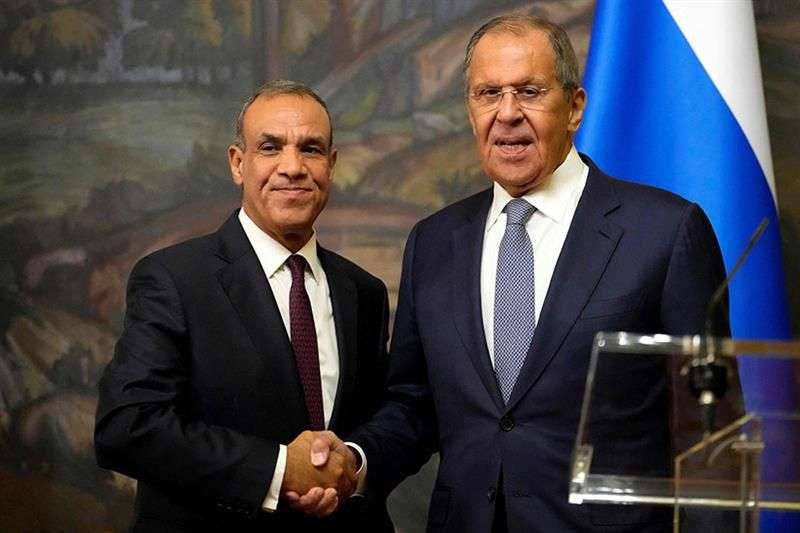
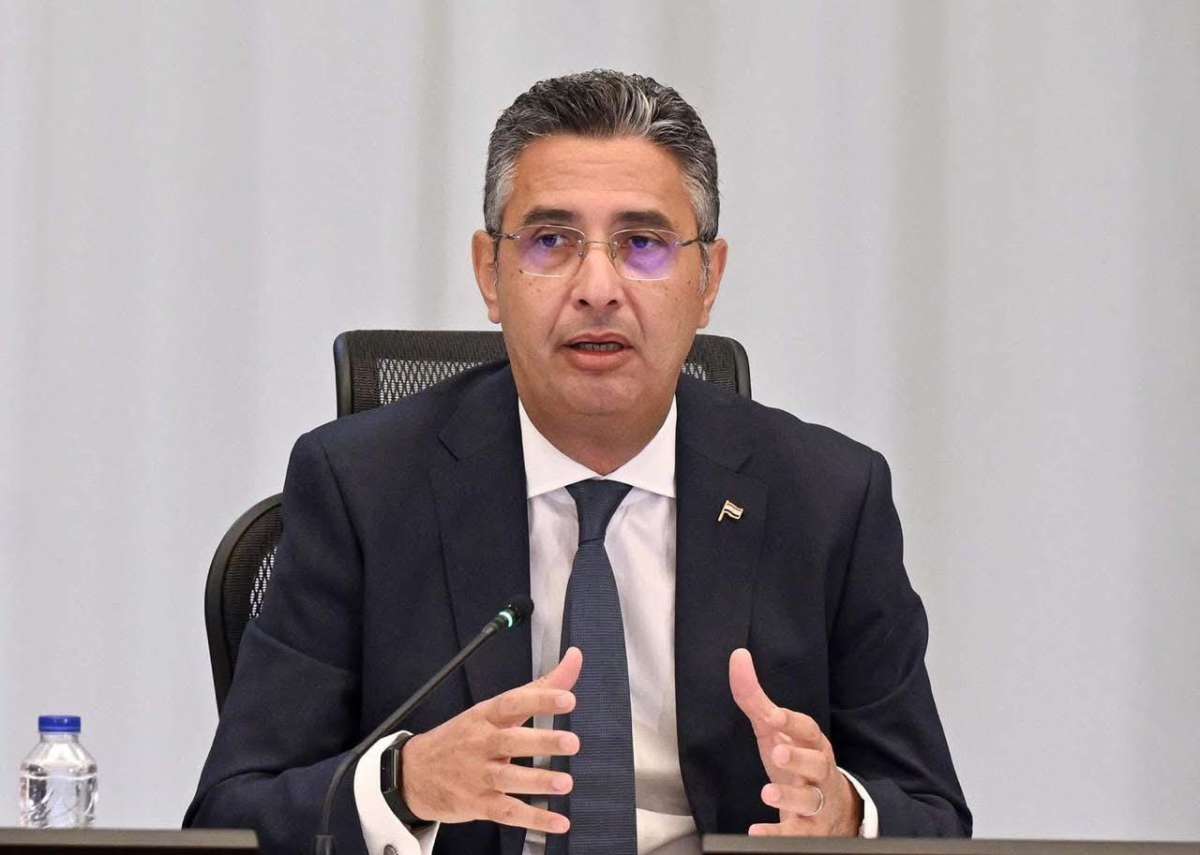
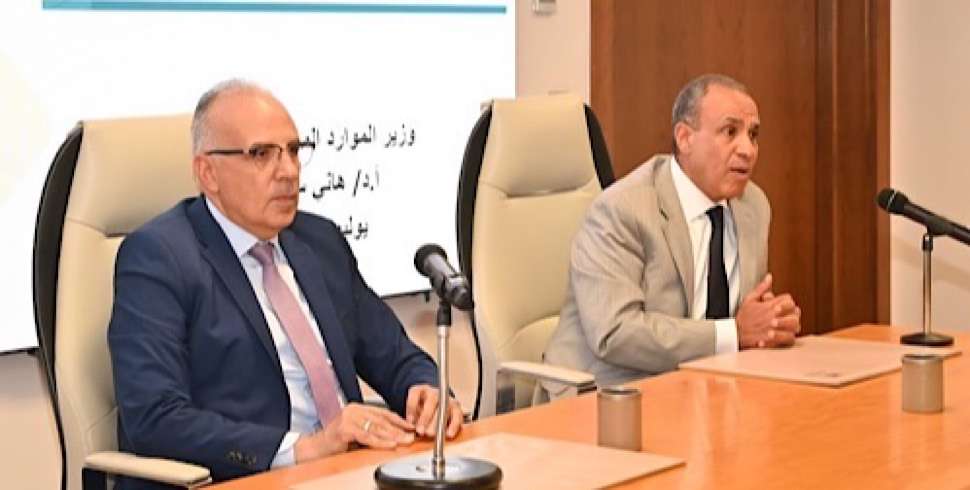 Egypt’s Minister of Water Resources and Irrigation, Dr. Hani Sewilam, alongside Foreign Minister Dr. Badr Abdel Aty, warned that Ethiopia’s continued unilateral actions threaten the interests and water security of downstream nations, namely Egypt and Sudan.
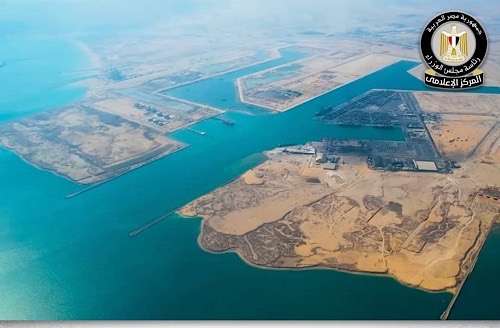
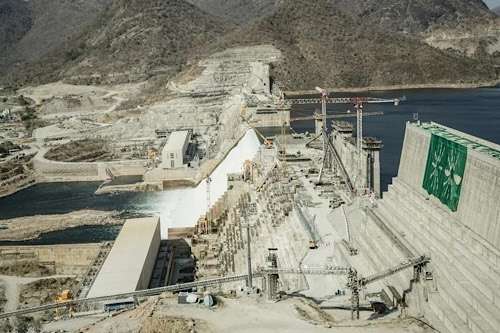
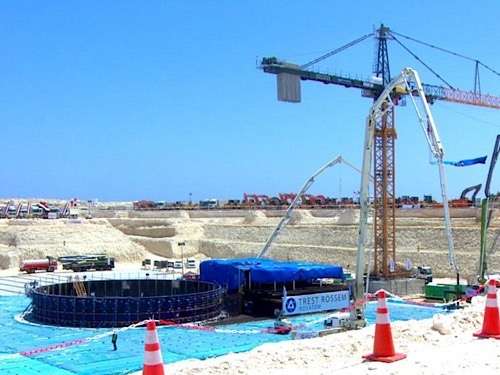
Cairo, Egypt – Egypt has expressed strong concern and renewed its calls for a legally binding agreement following Ethiopia’s announcement of the completionof its massive Grand Ethiopian Renaissance Dam (GERD).
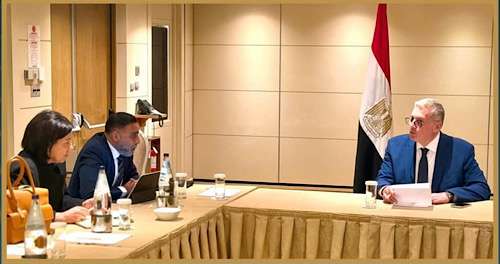
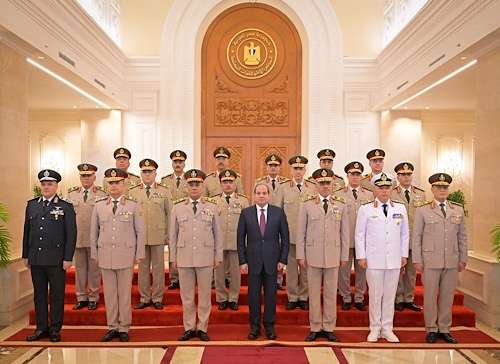
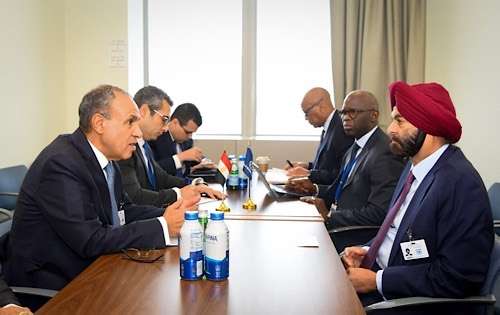
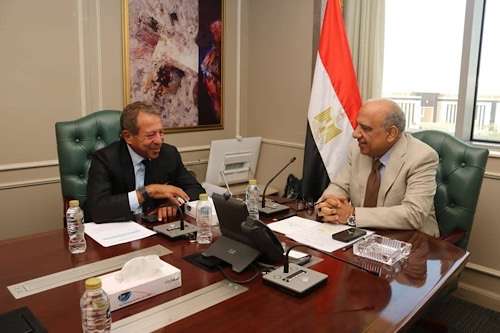
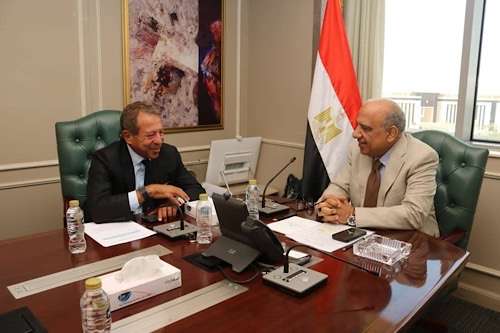
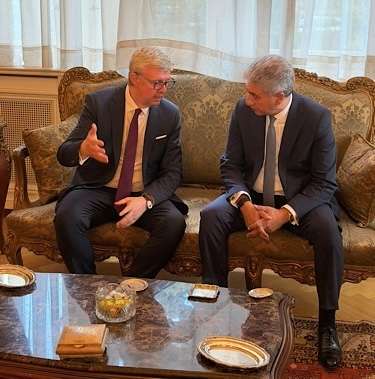
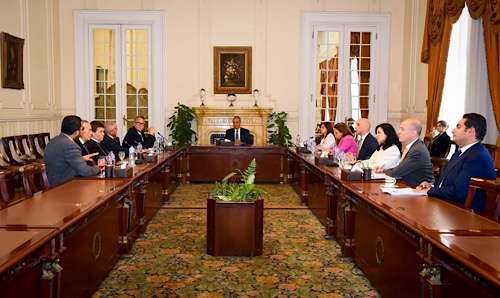
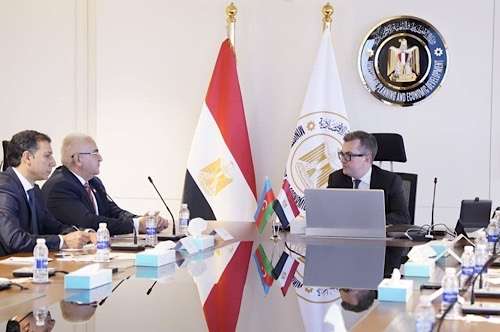
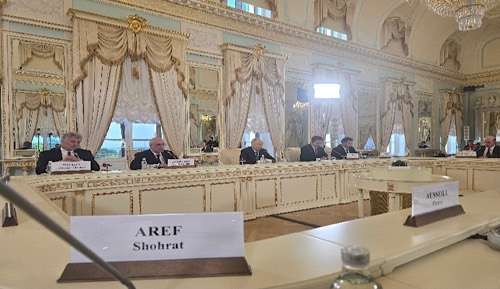
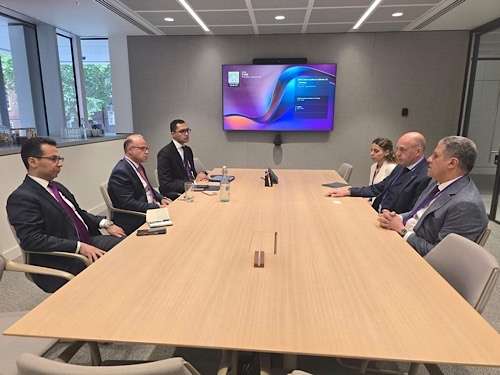
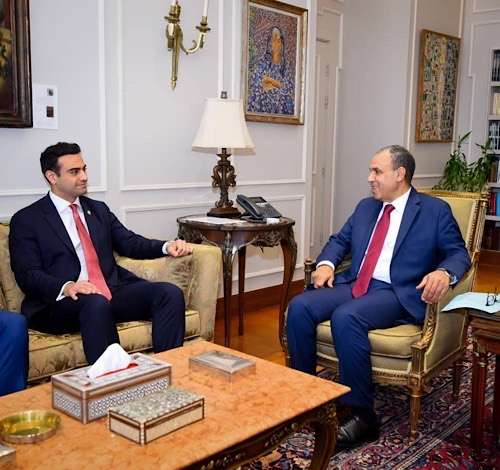
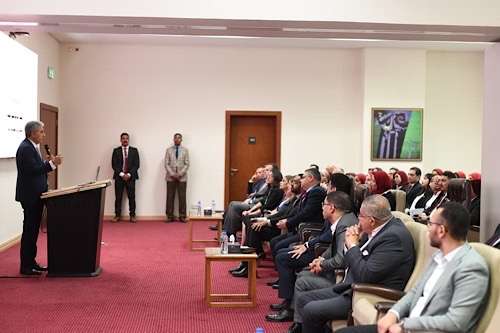
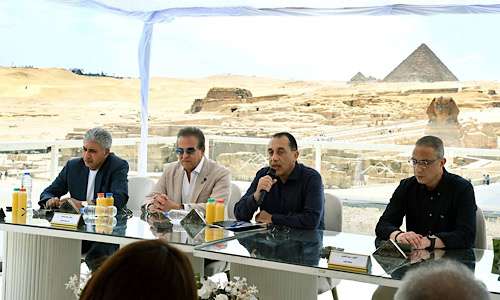
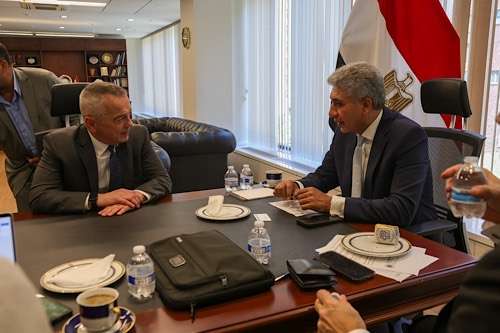
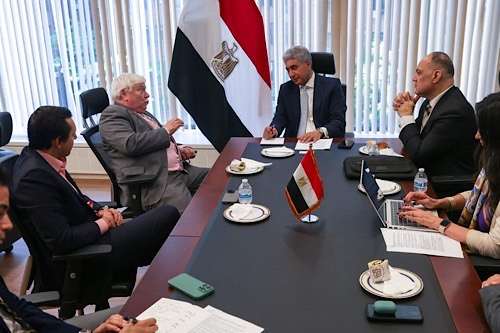
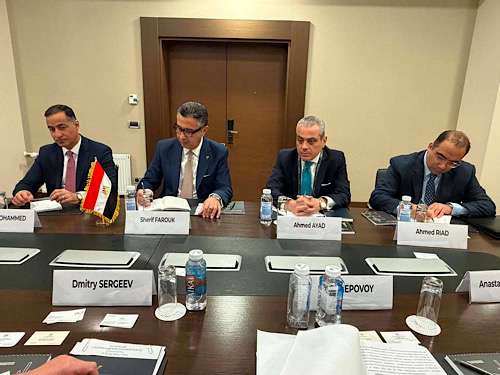
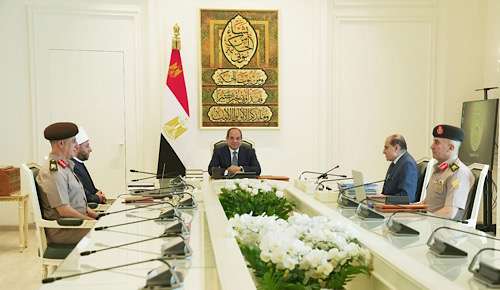
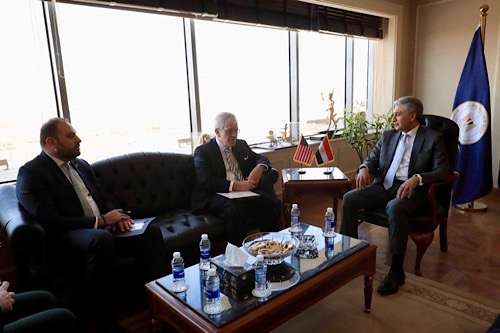
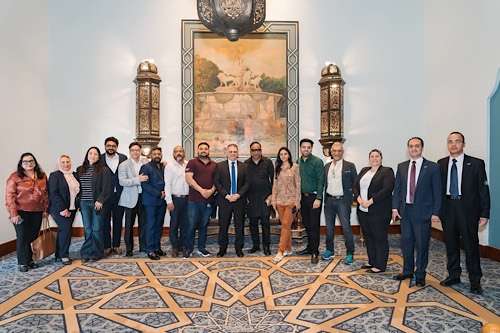
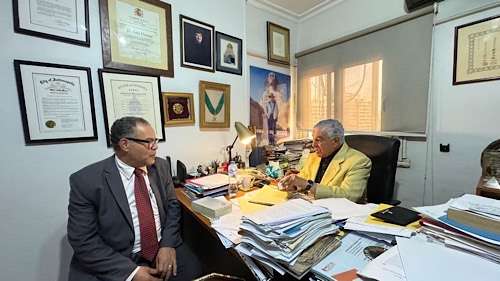
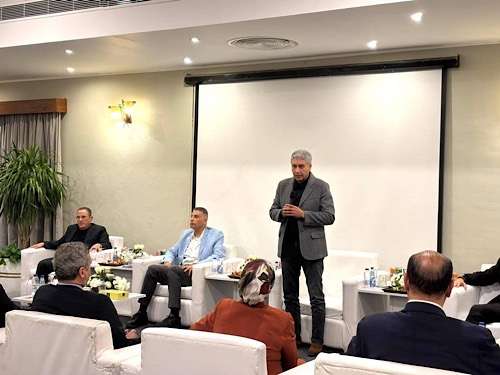
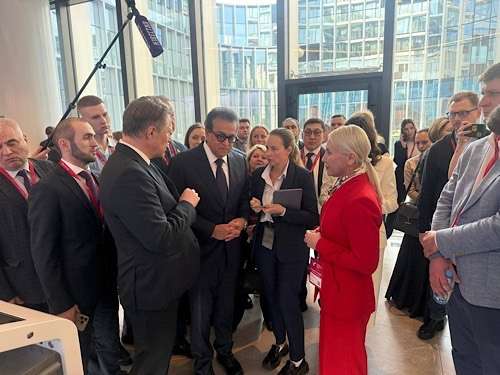
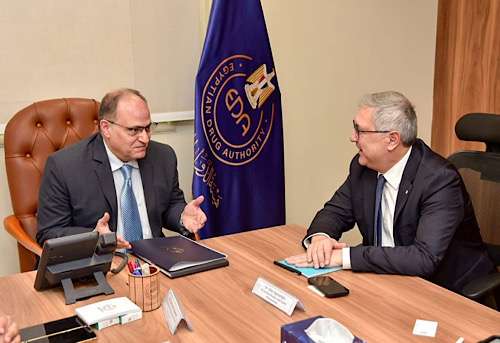
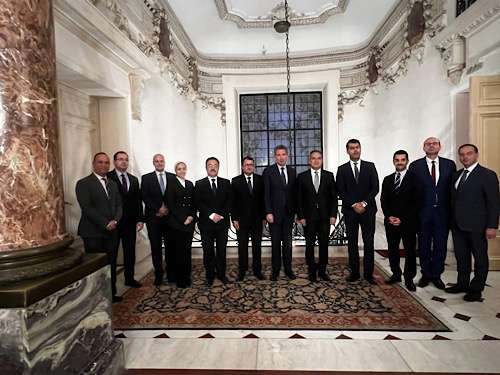
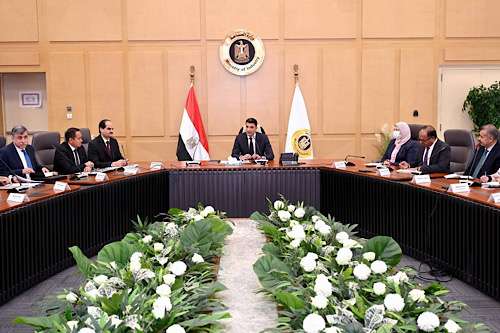
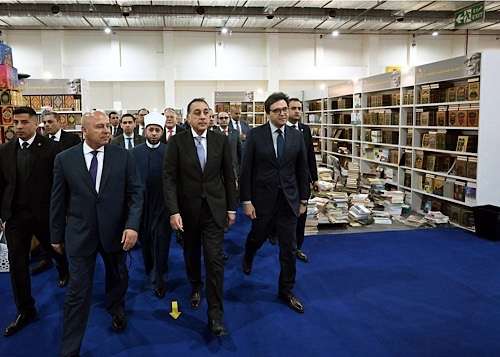
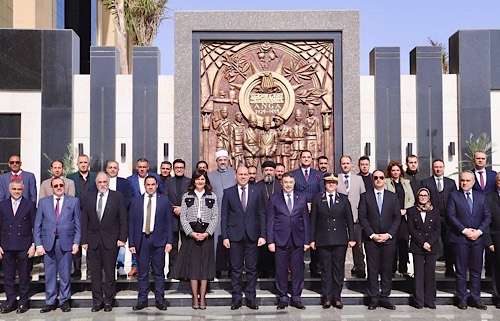
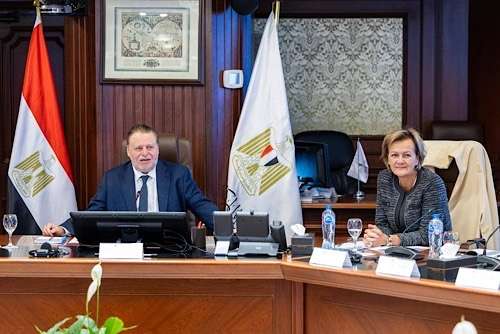
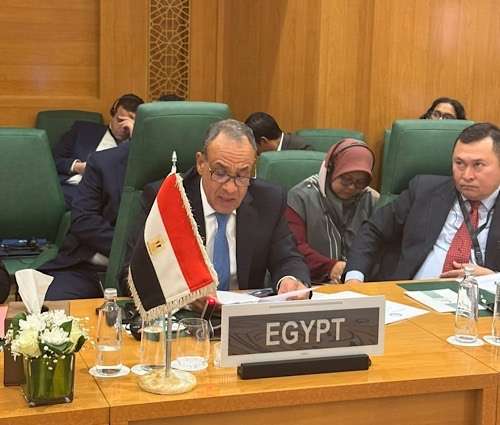
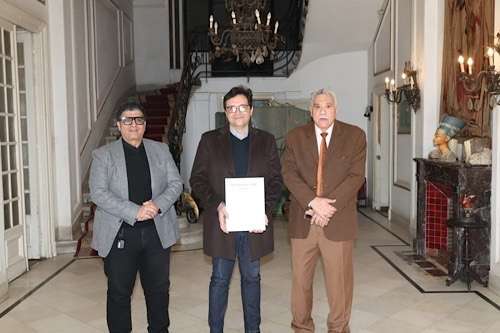
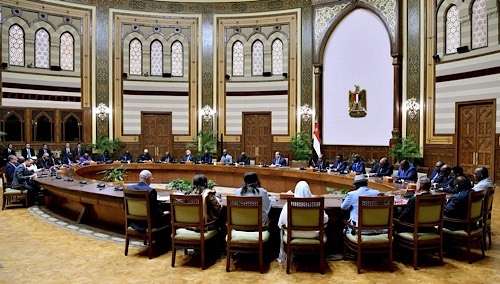
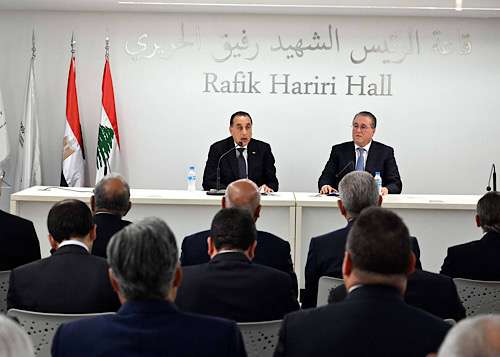
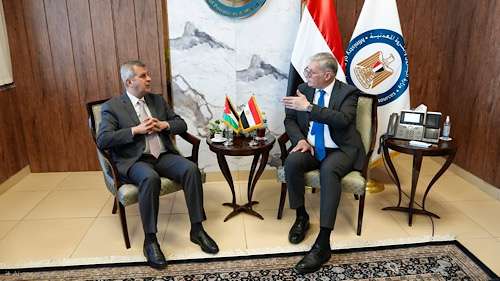
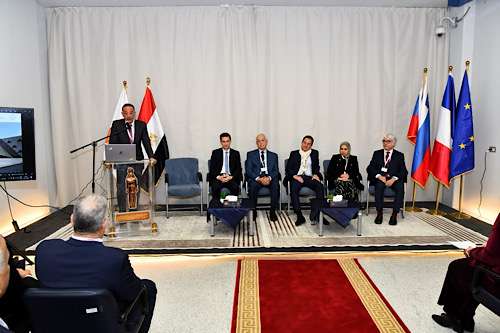
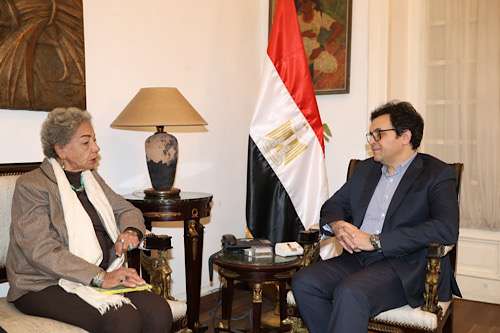
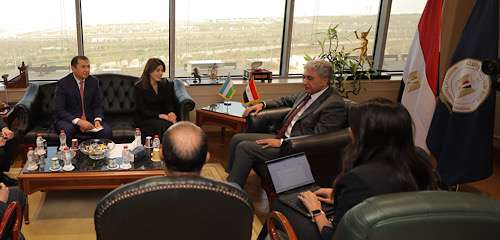
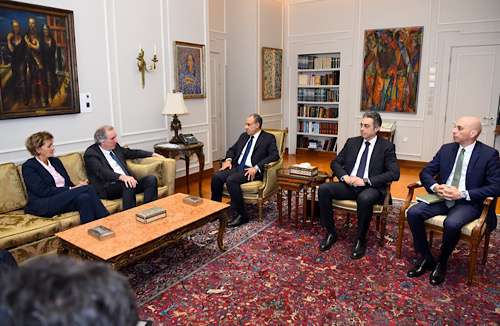
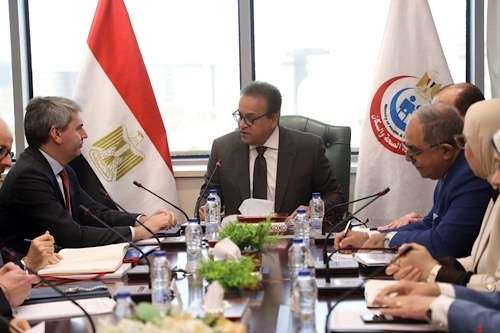
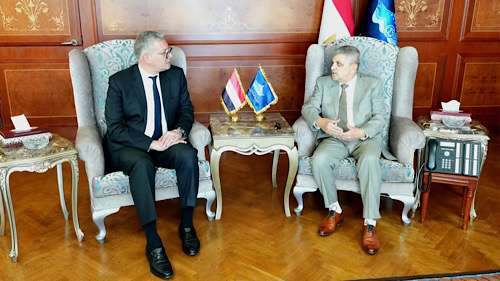
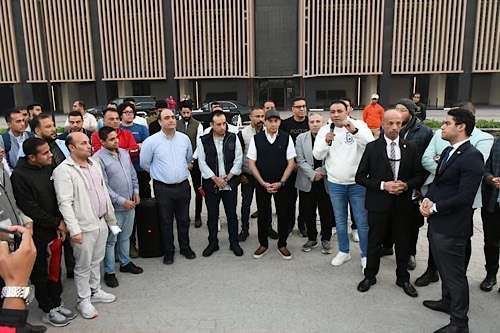
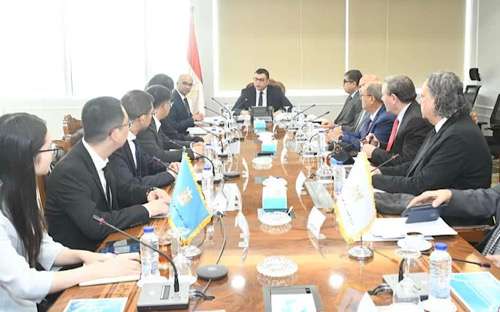
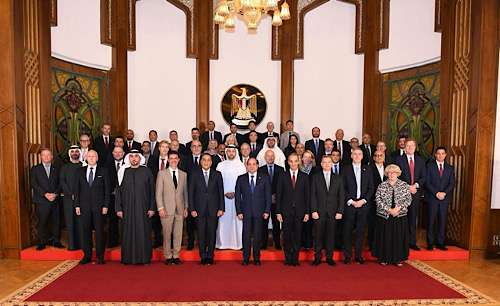
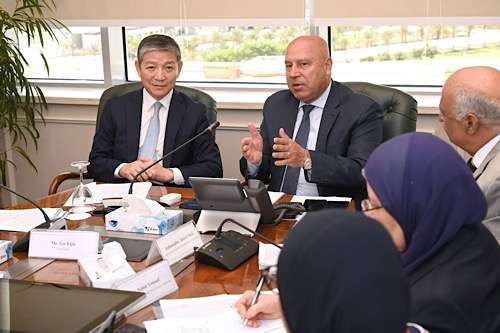
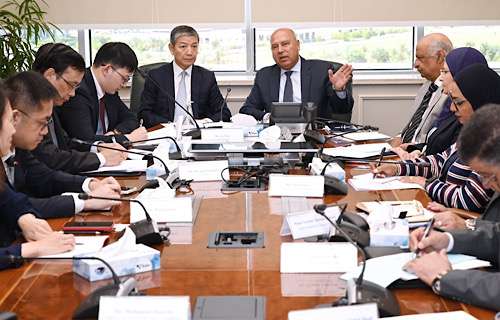
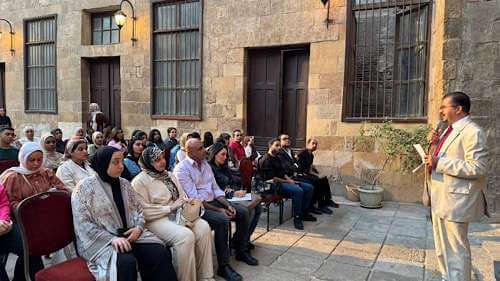
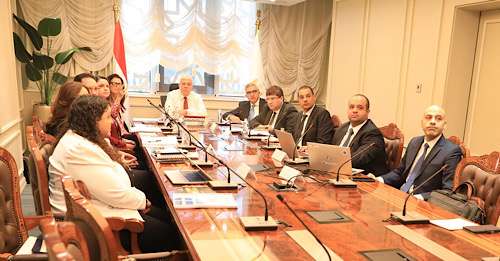
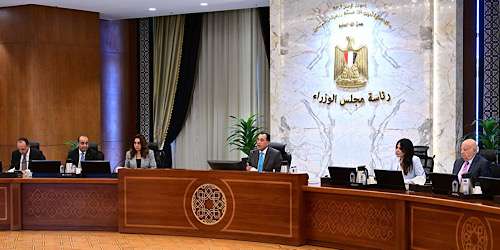
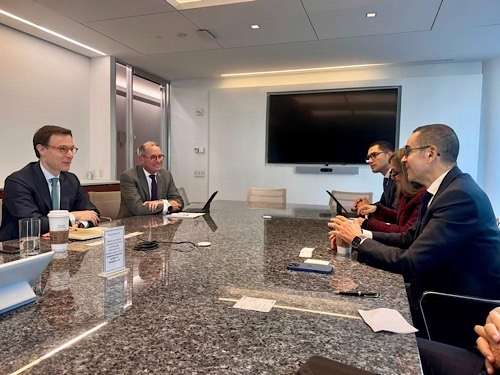
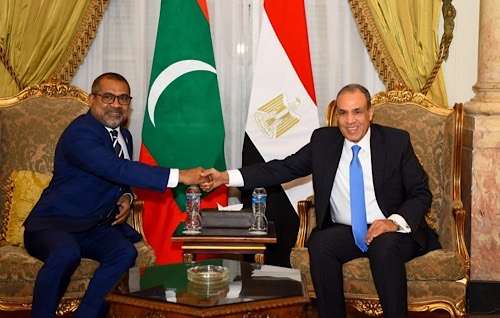
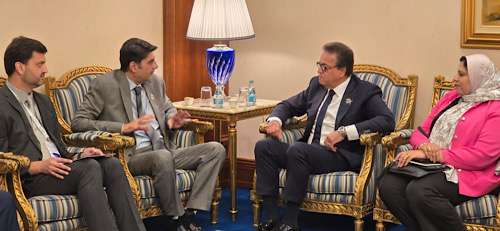
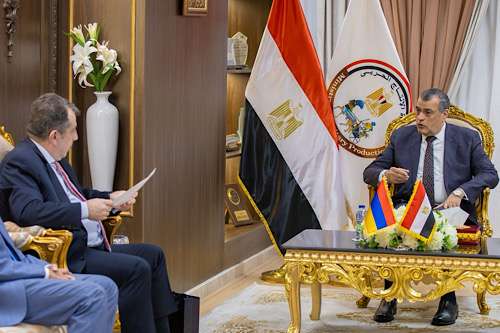
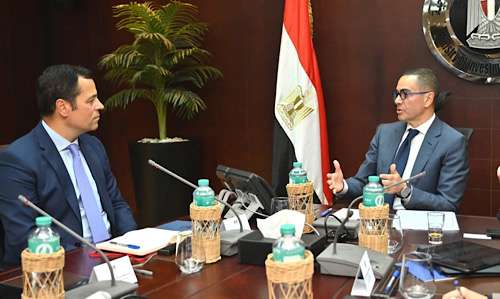
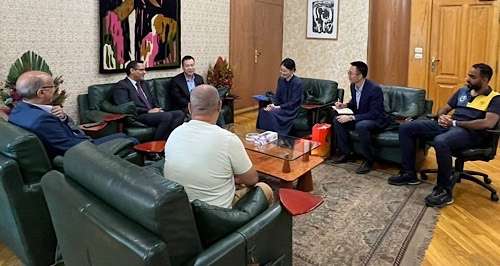
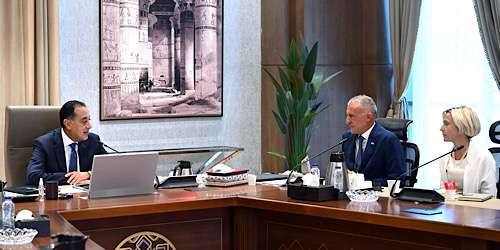
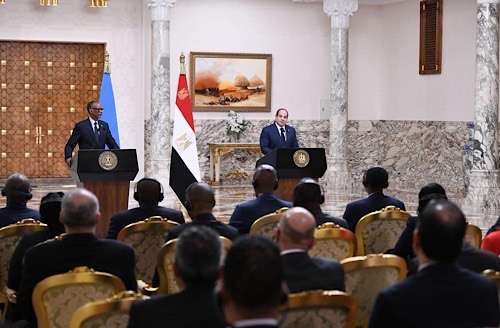
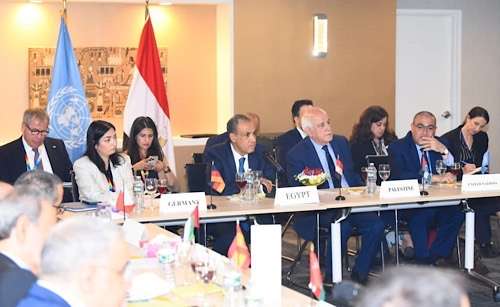
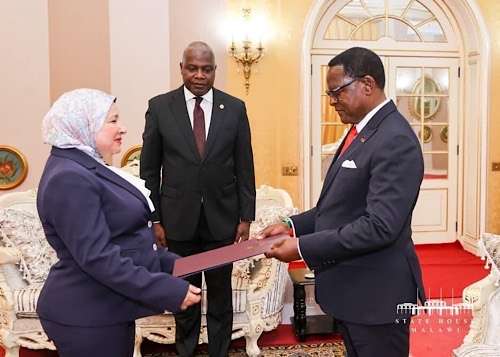
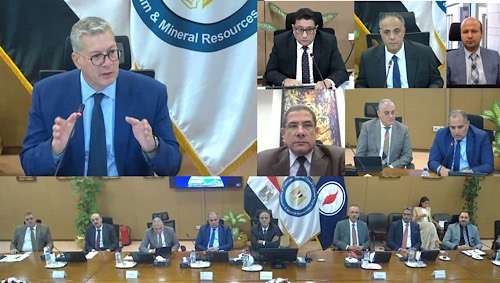
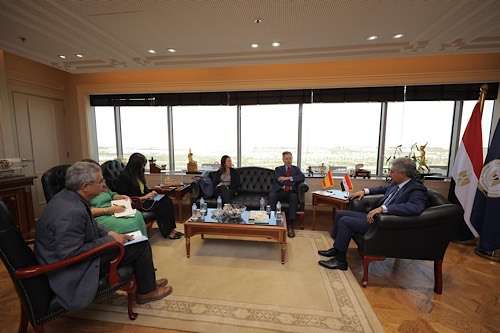
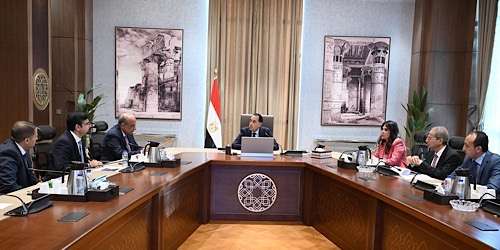
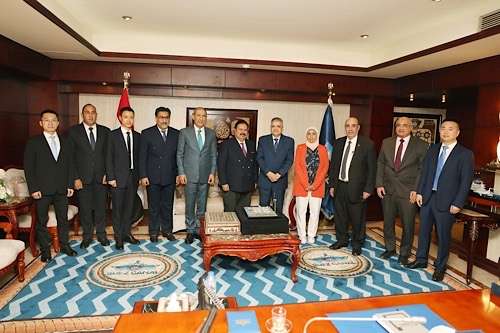
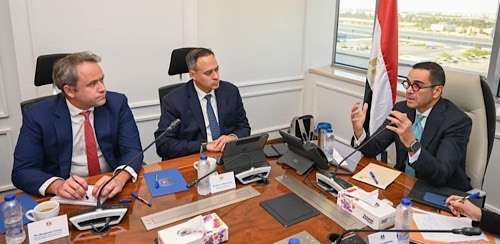
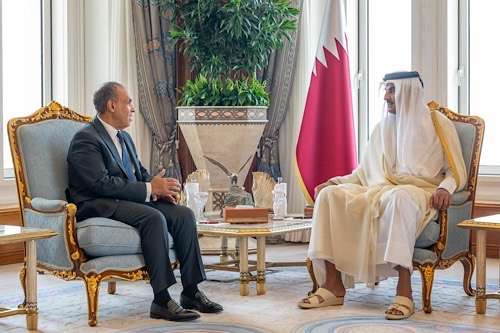
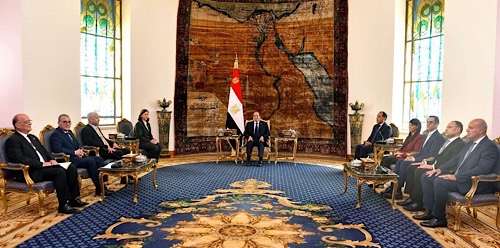
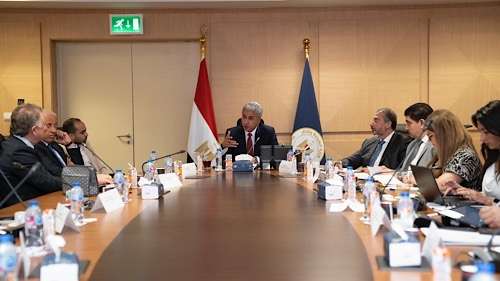
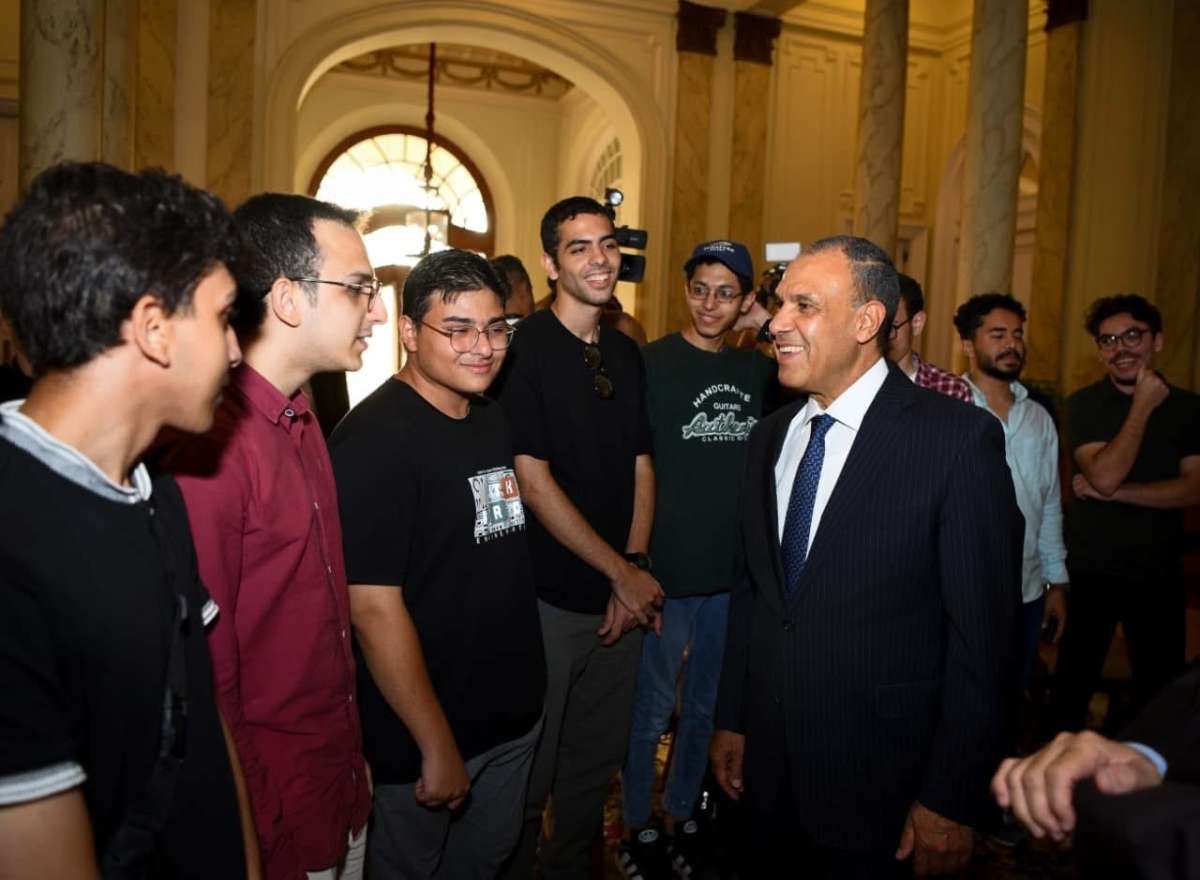
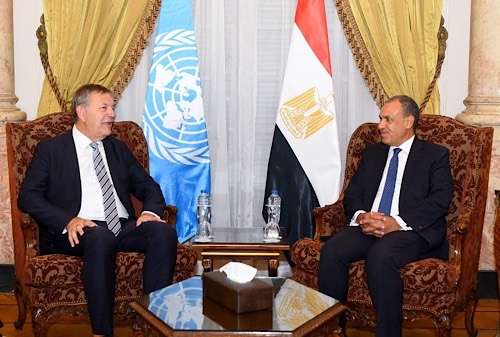
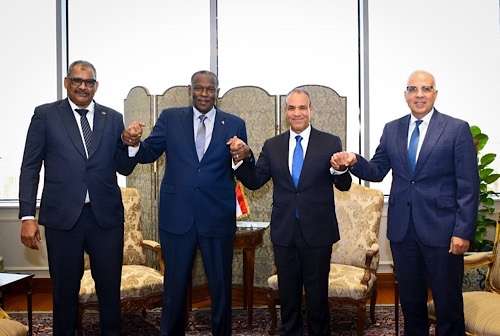
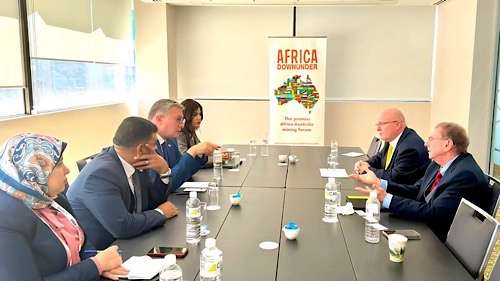
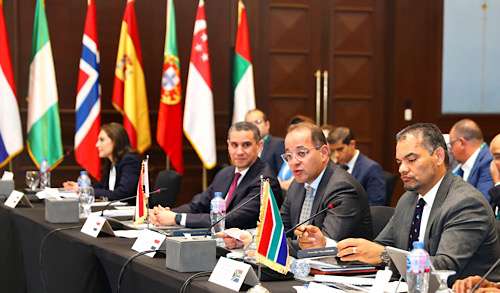
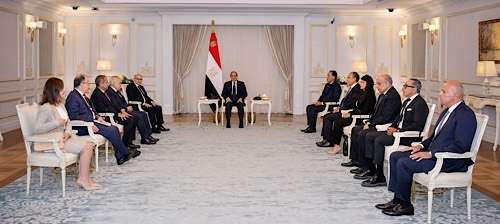
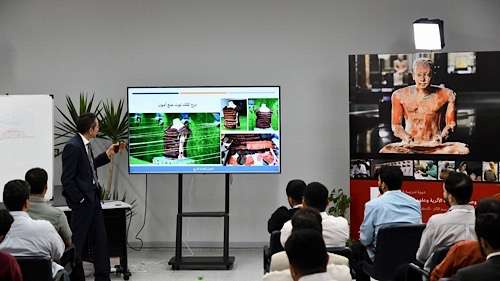
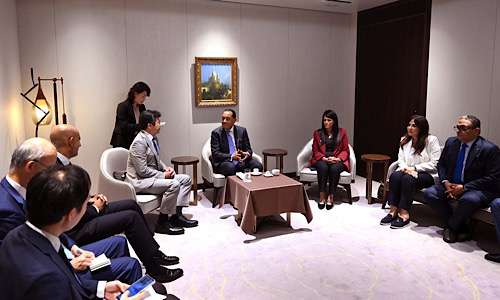
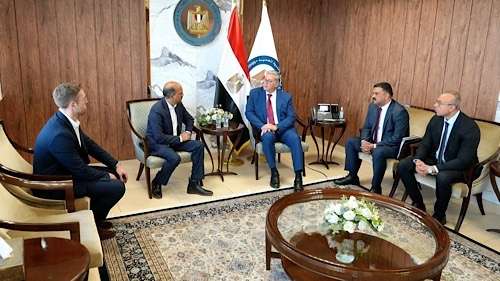
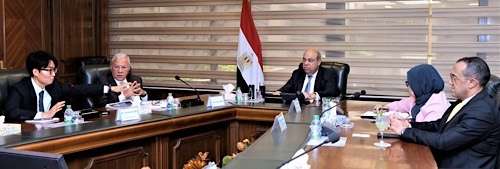
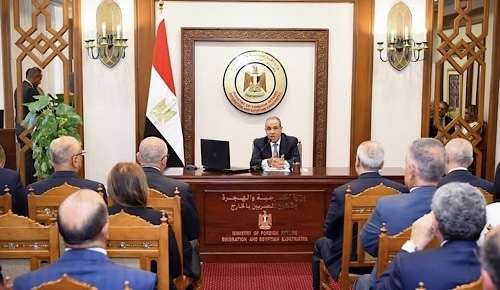
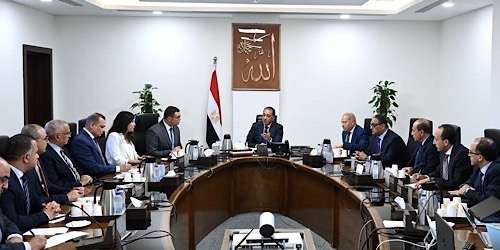
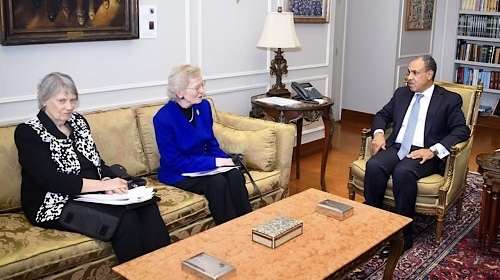
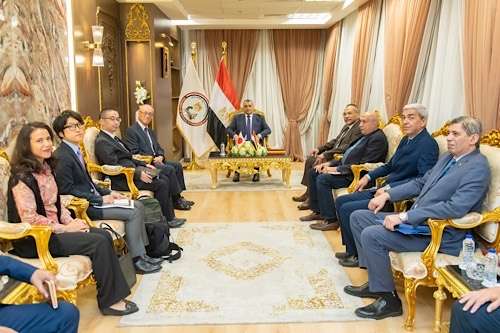
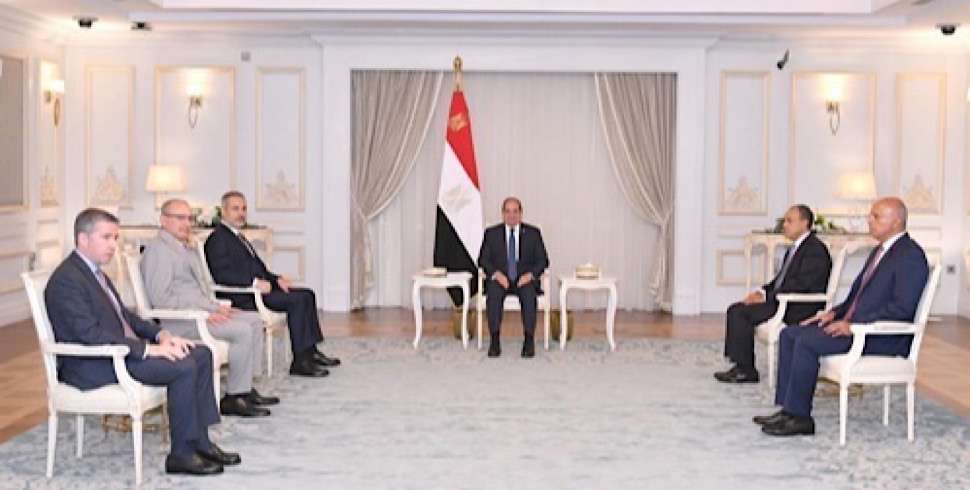
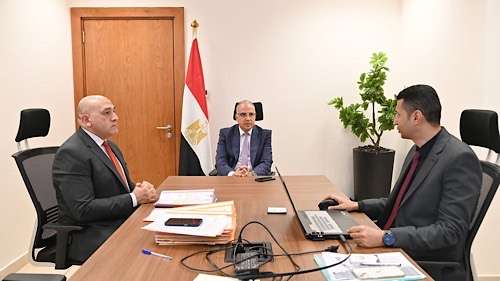
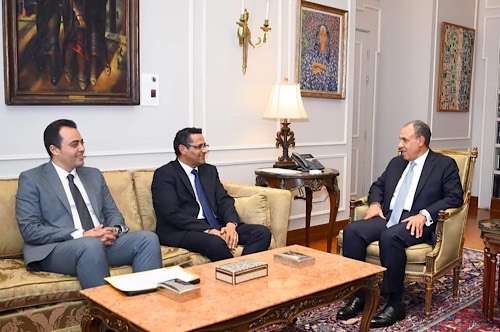
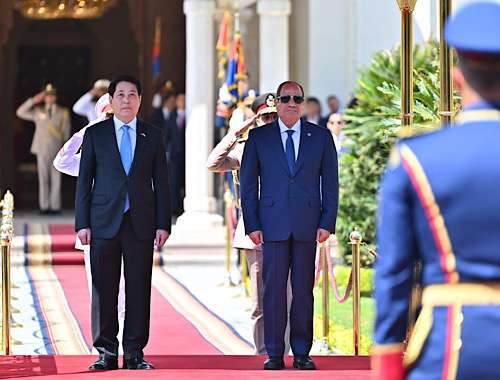
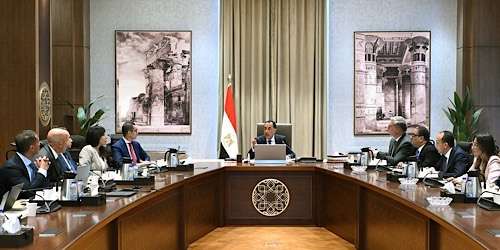
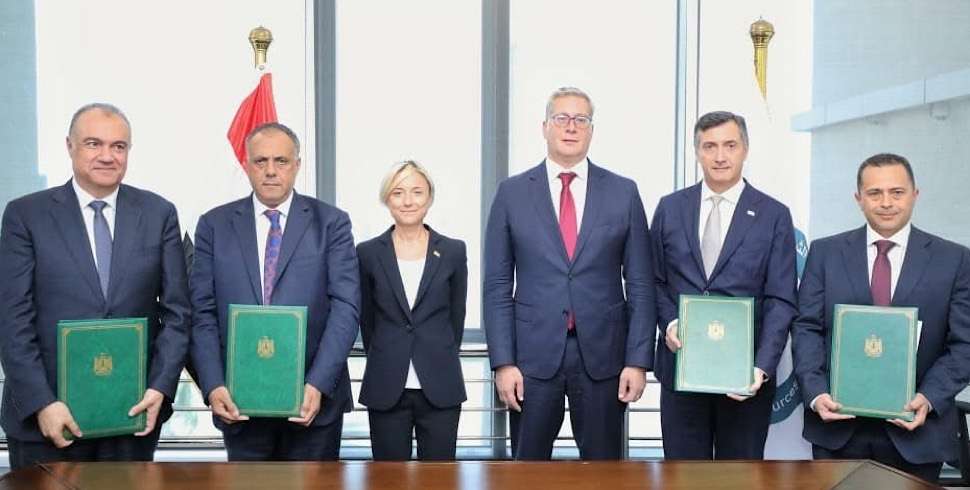
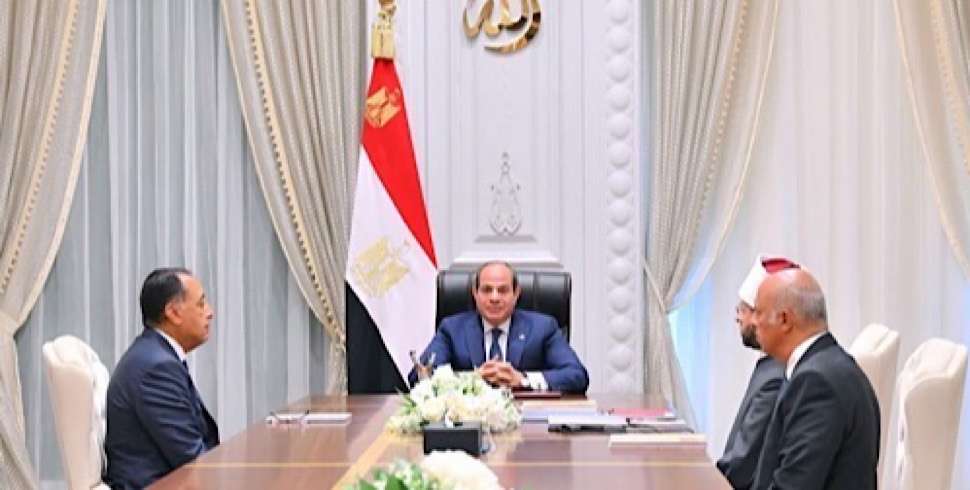
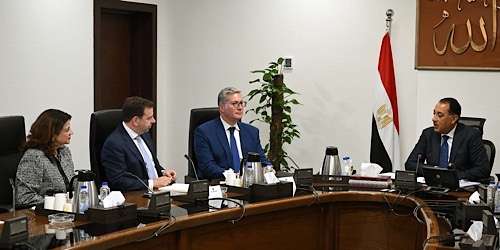
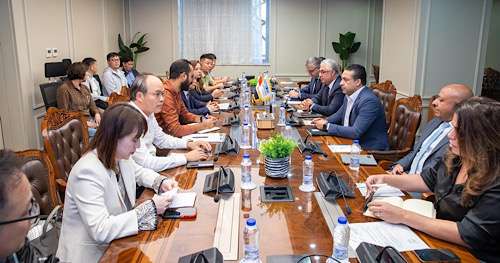
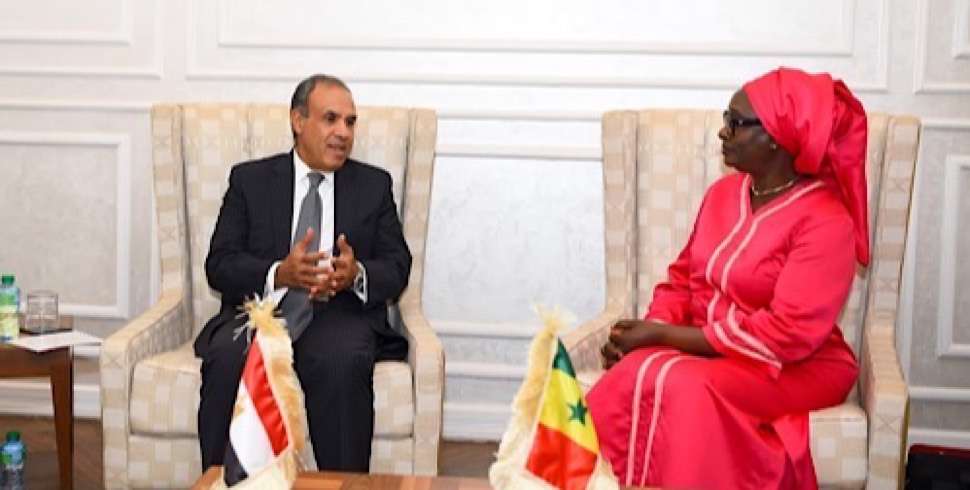
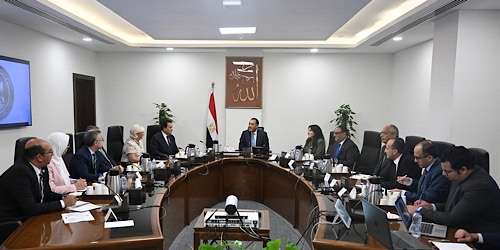
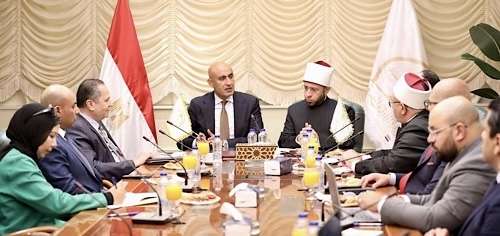
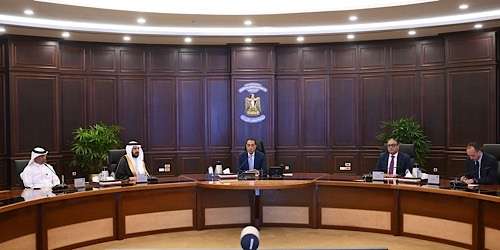
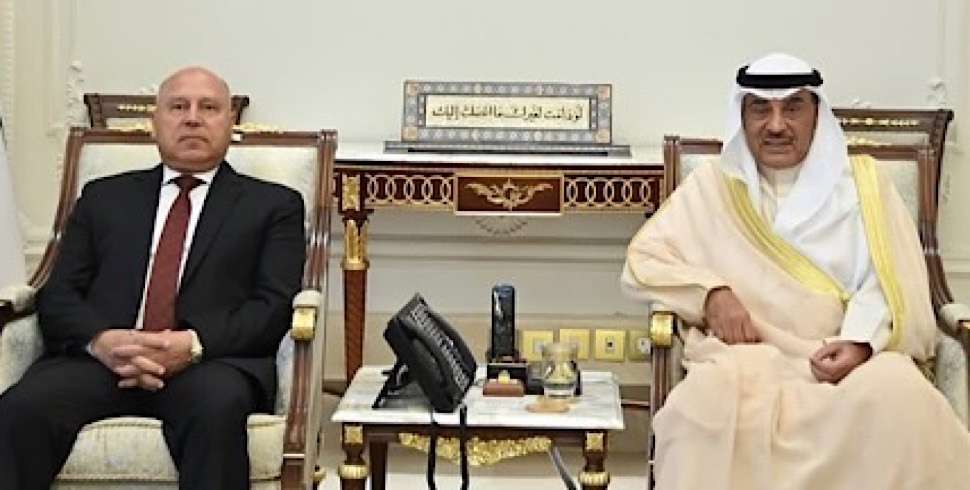
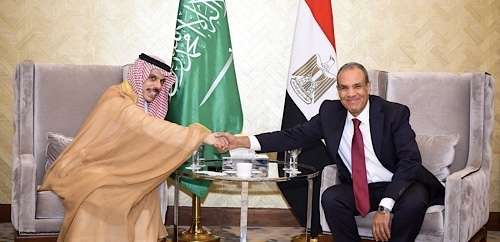
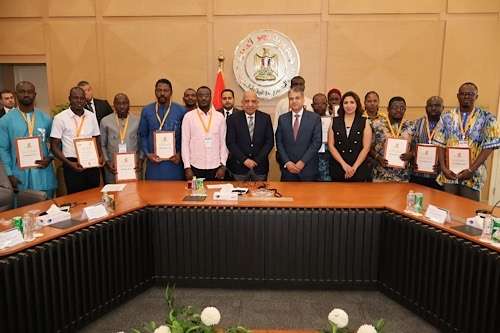
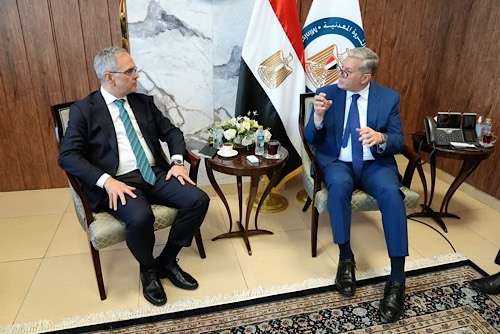
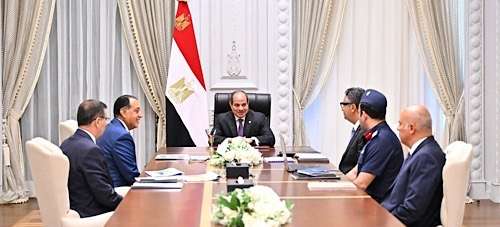
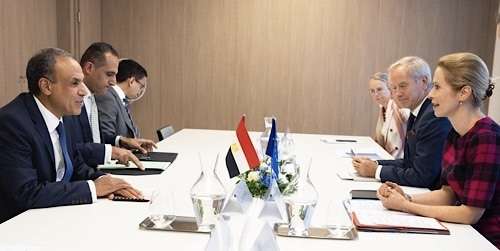
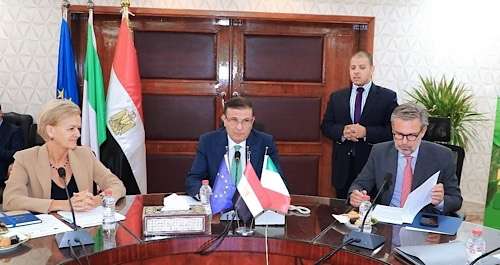
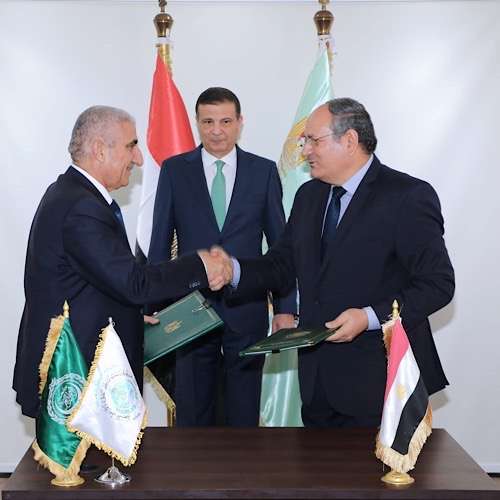
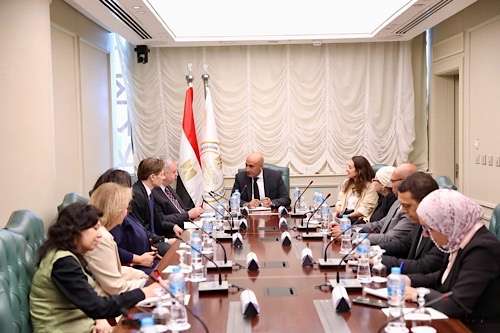
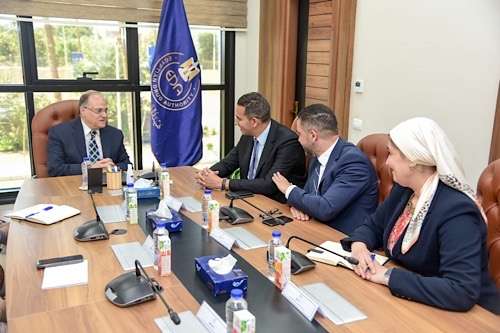
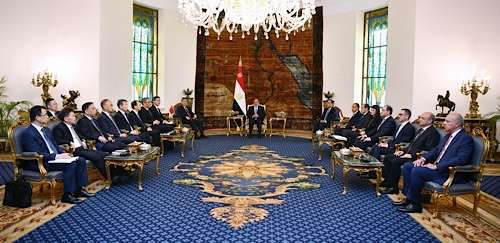
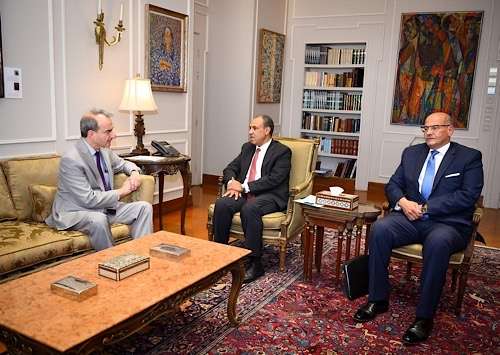
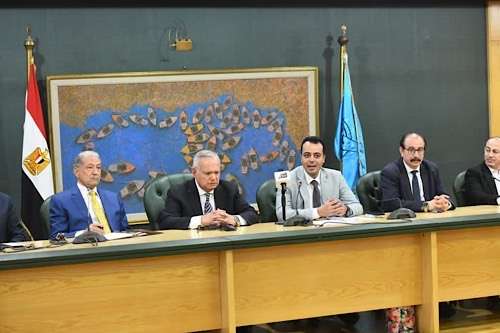
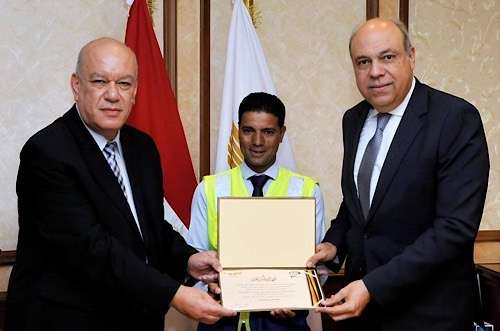
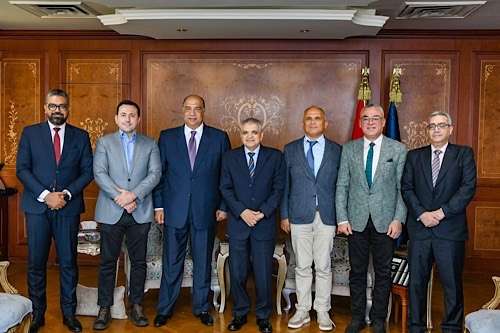
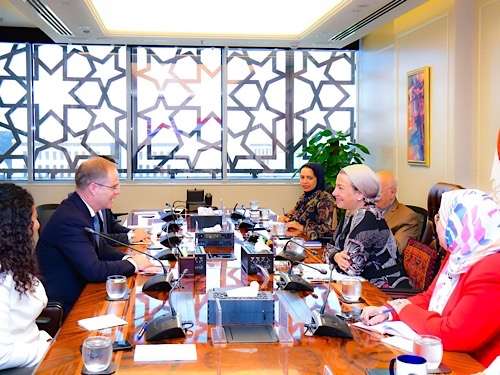
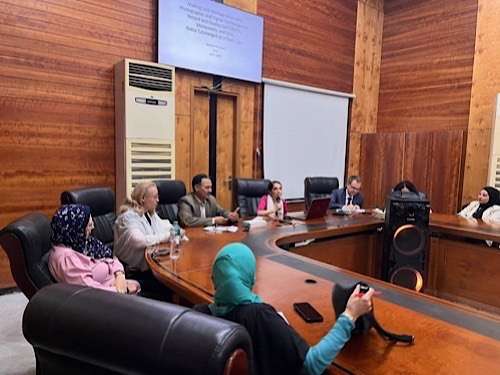
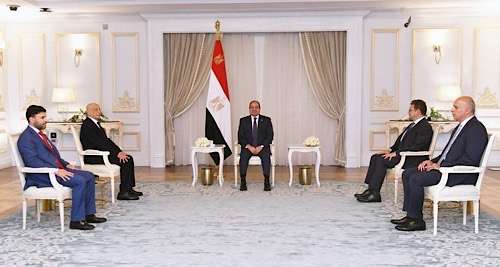
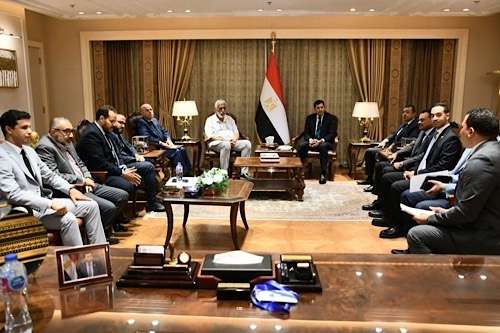
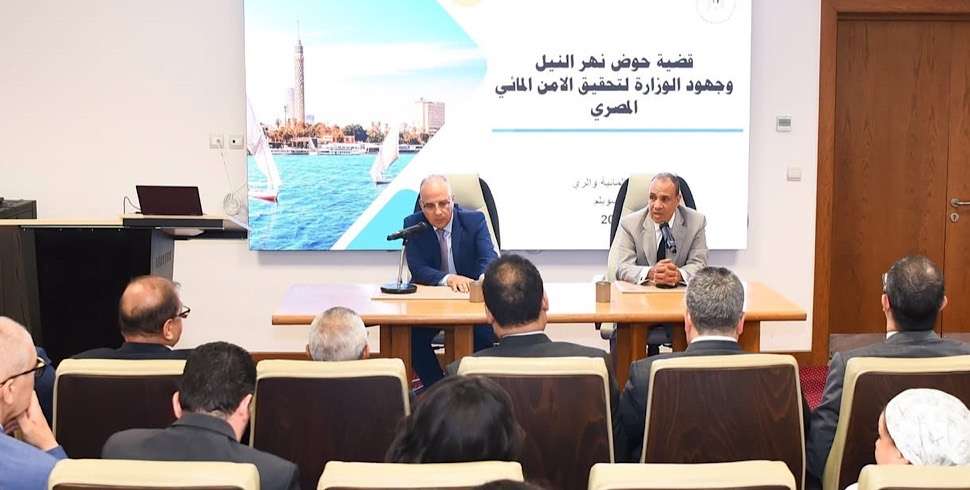
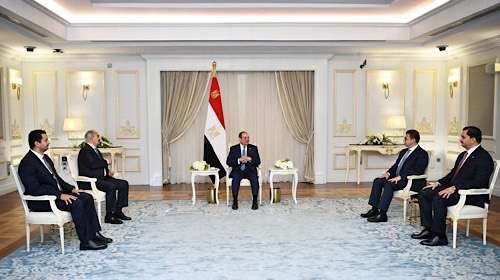
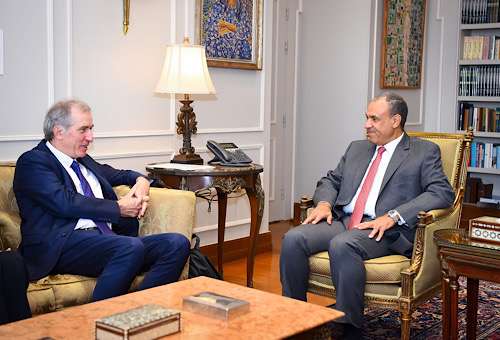
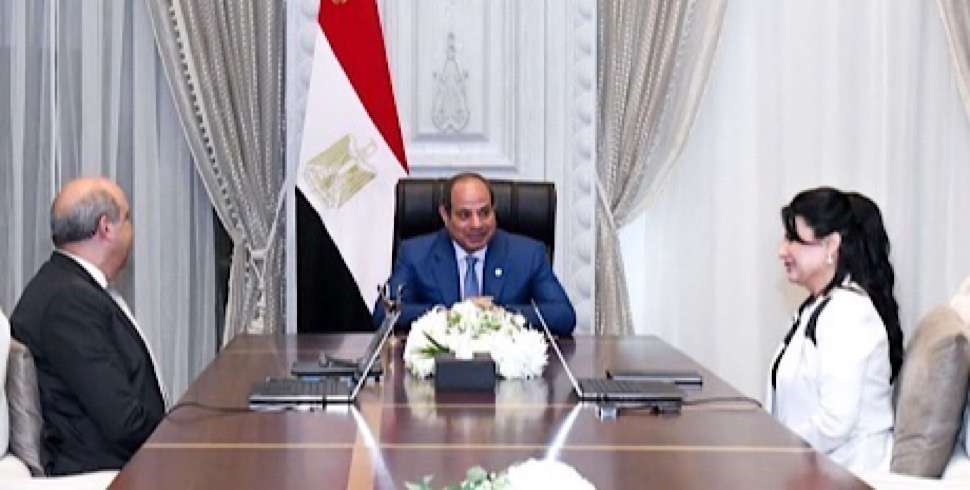
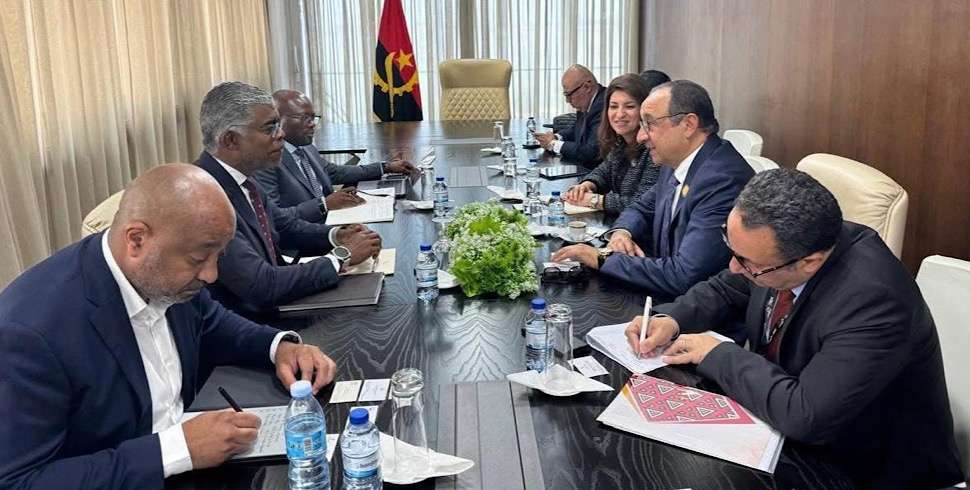
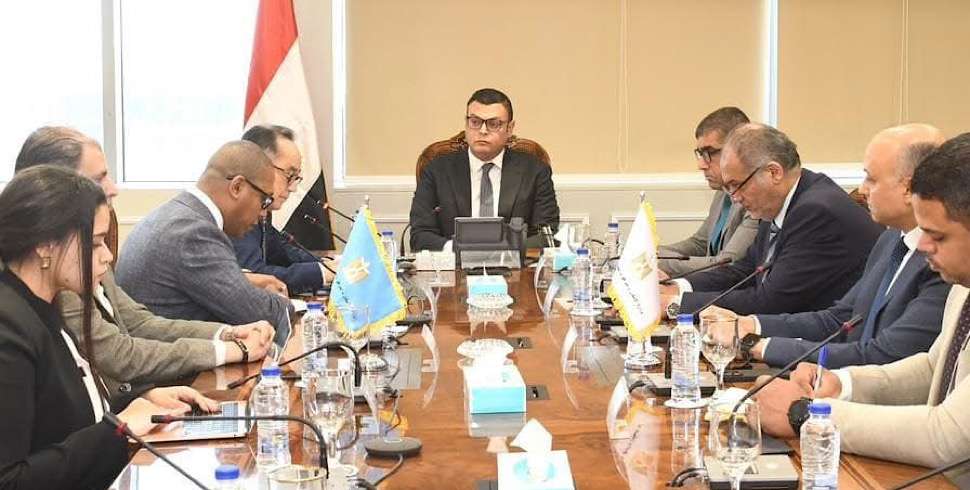
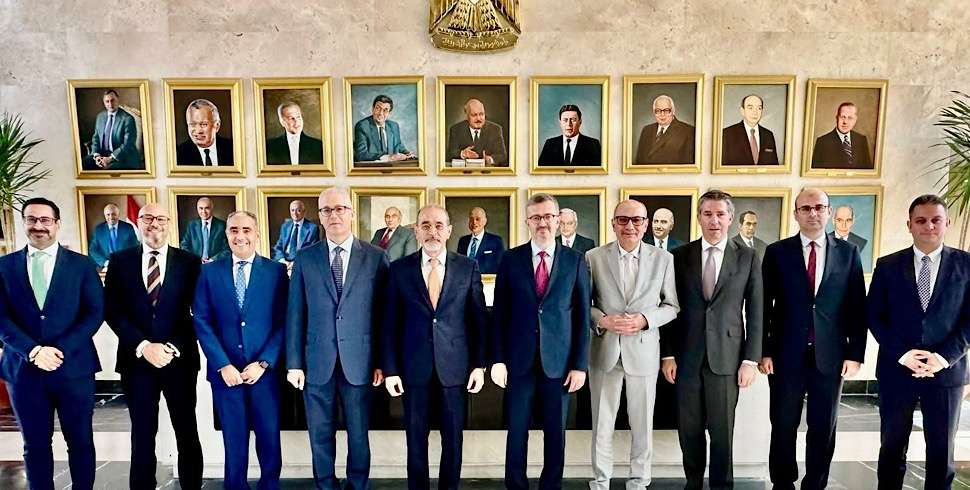
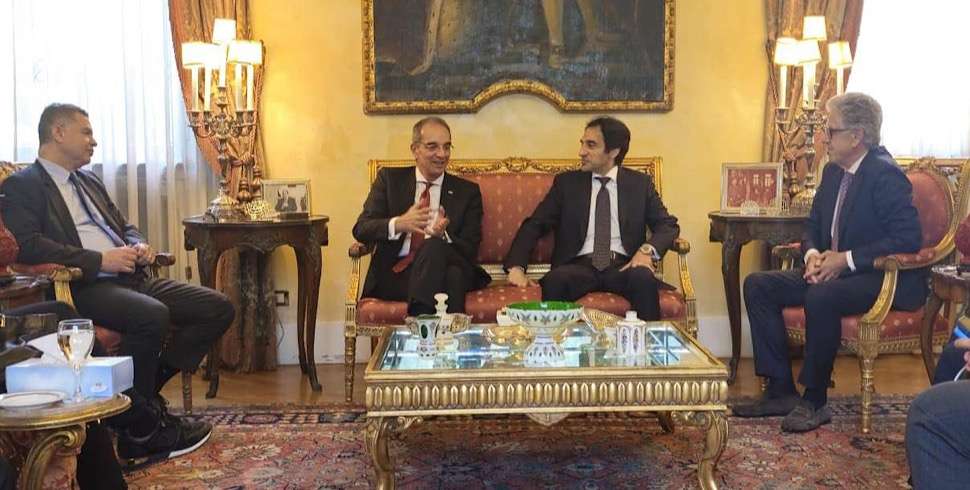
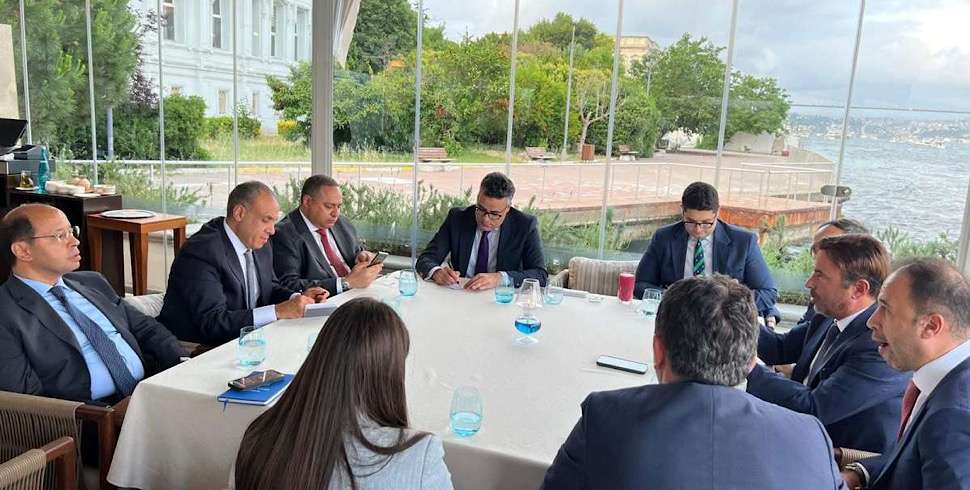
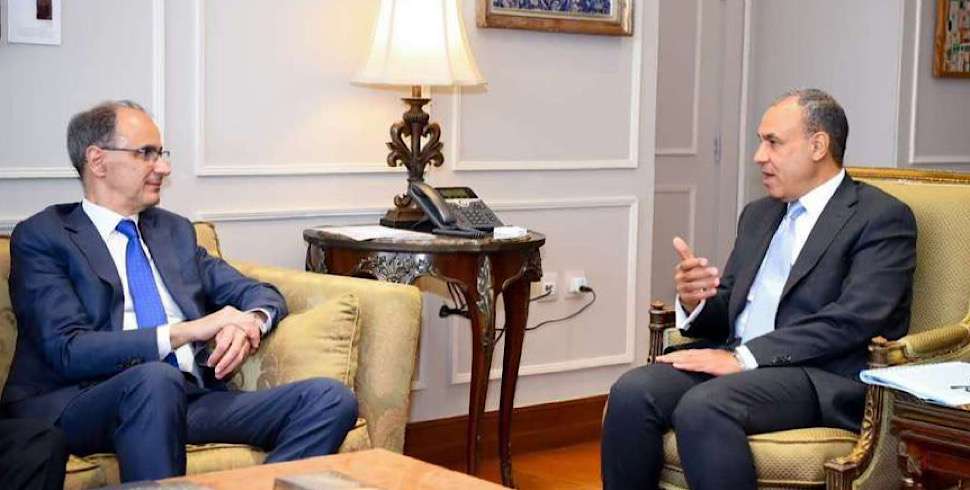
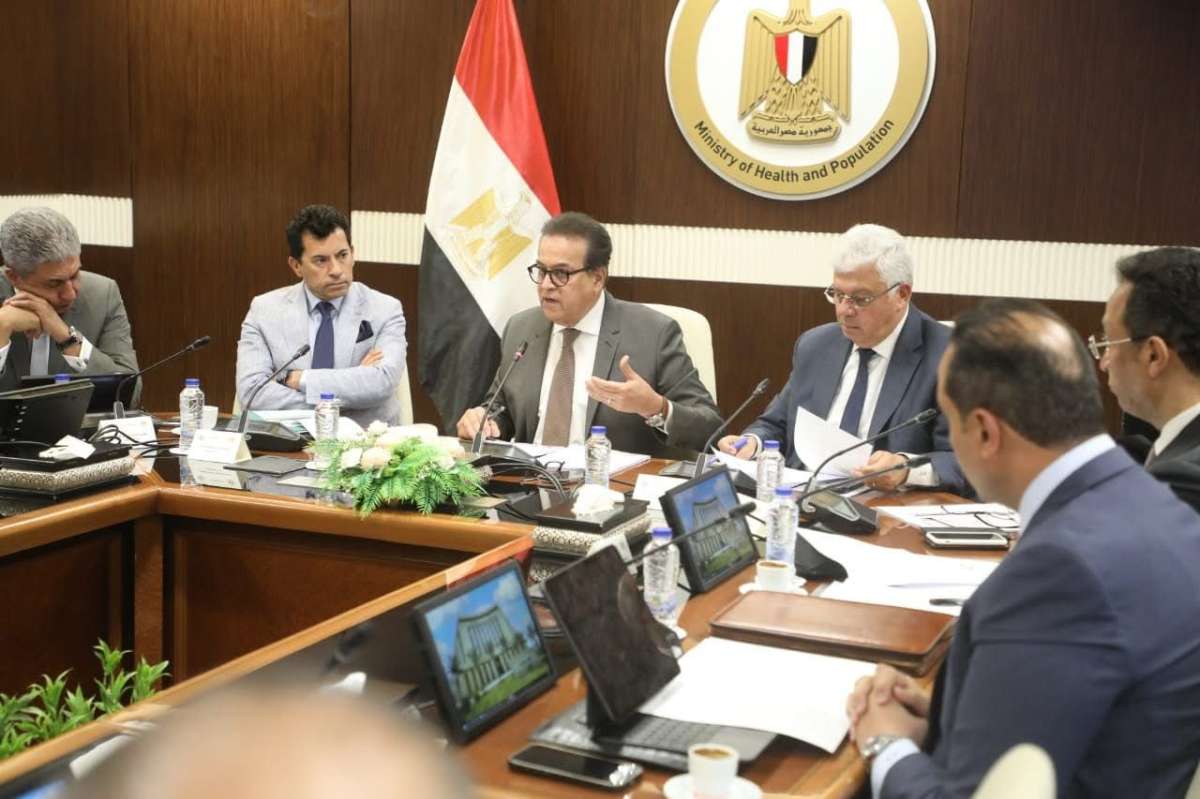
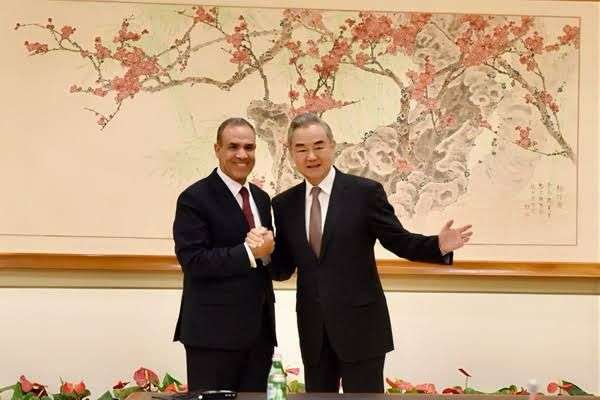
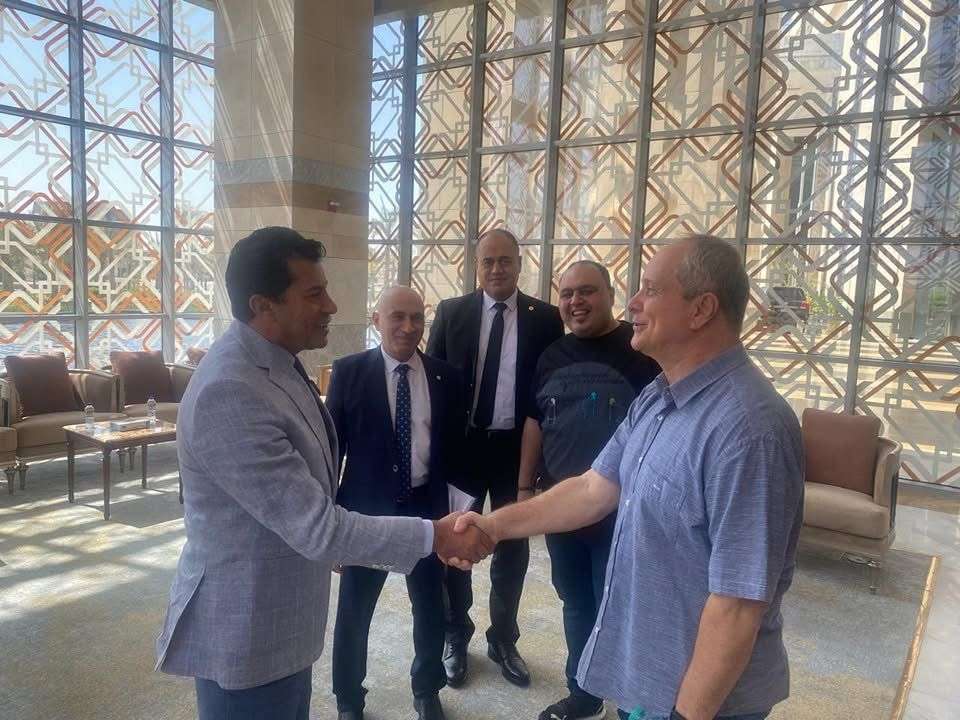
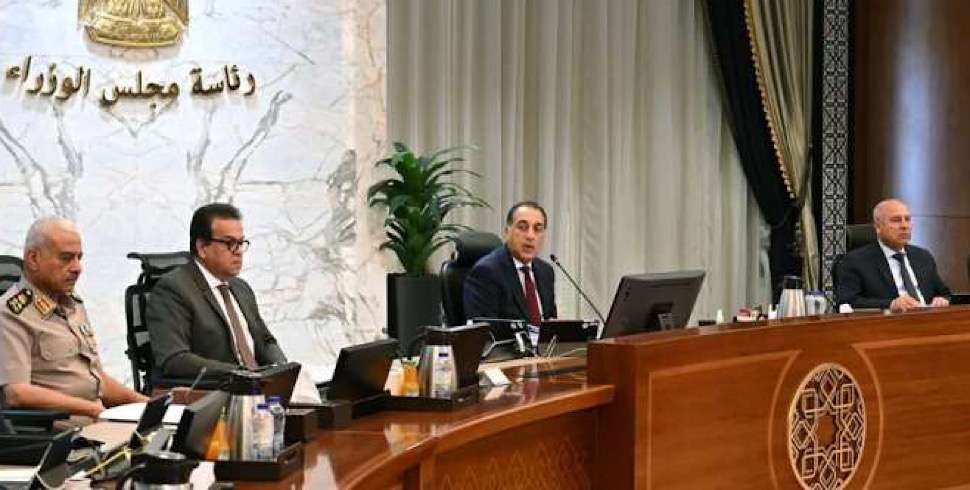
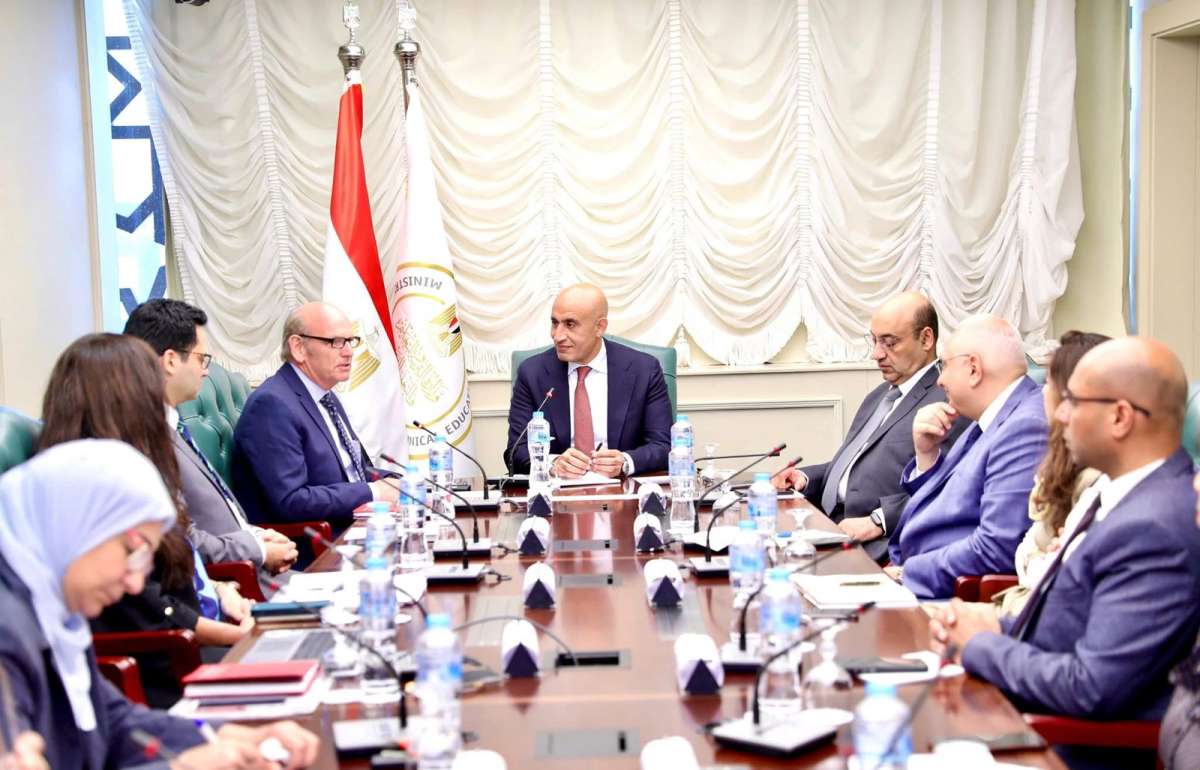
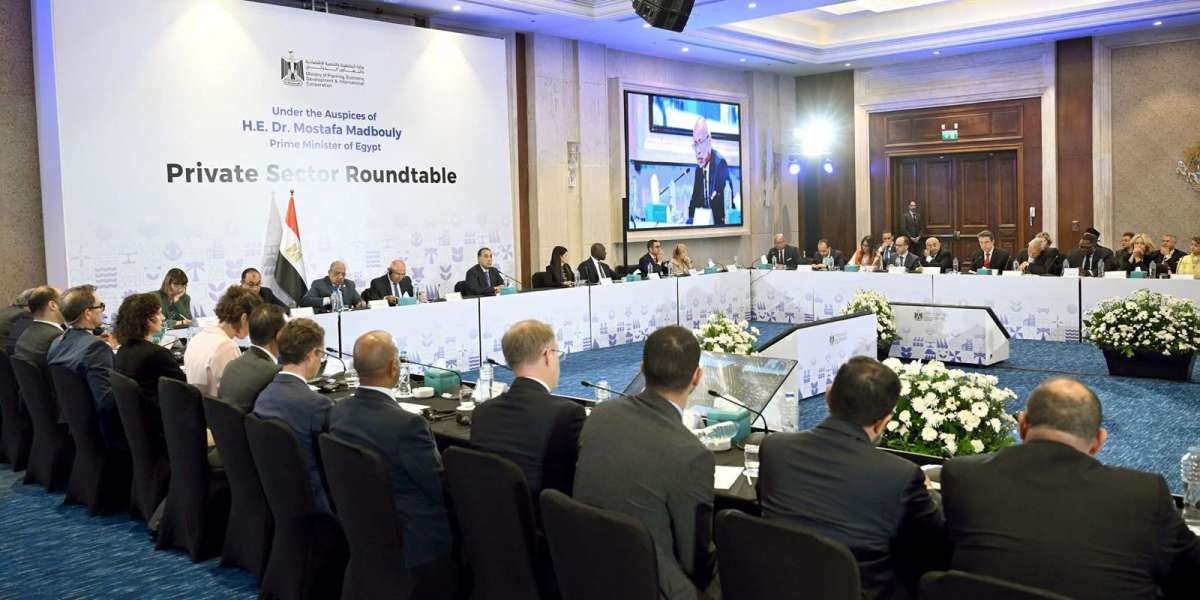
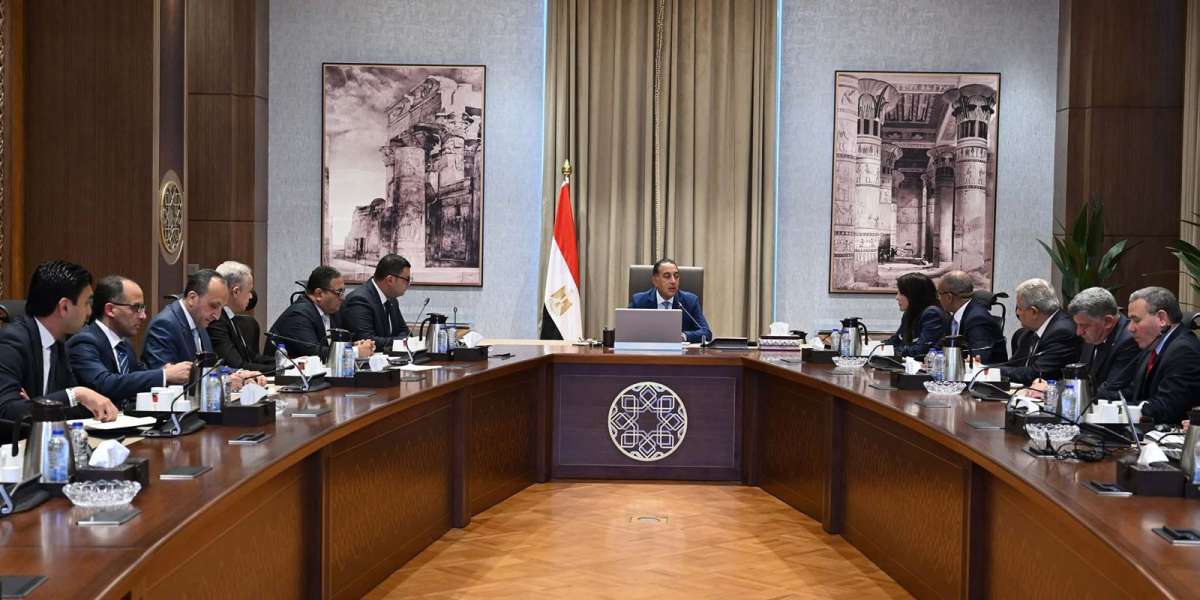
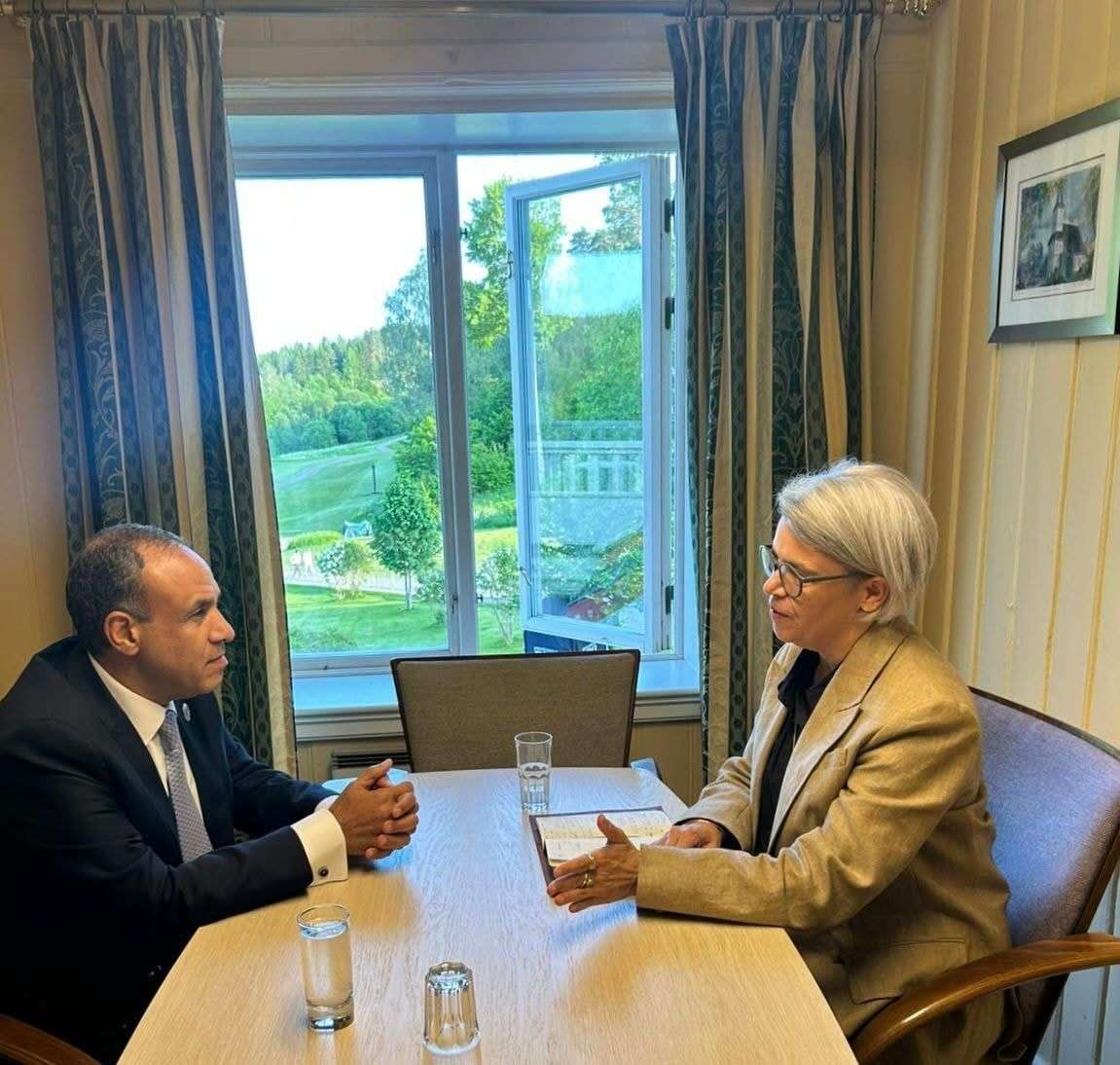
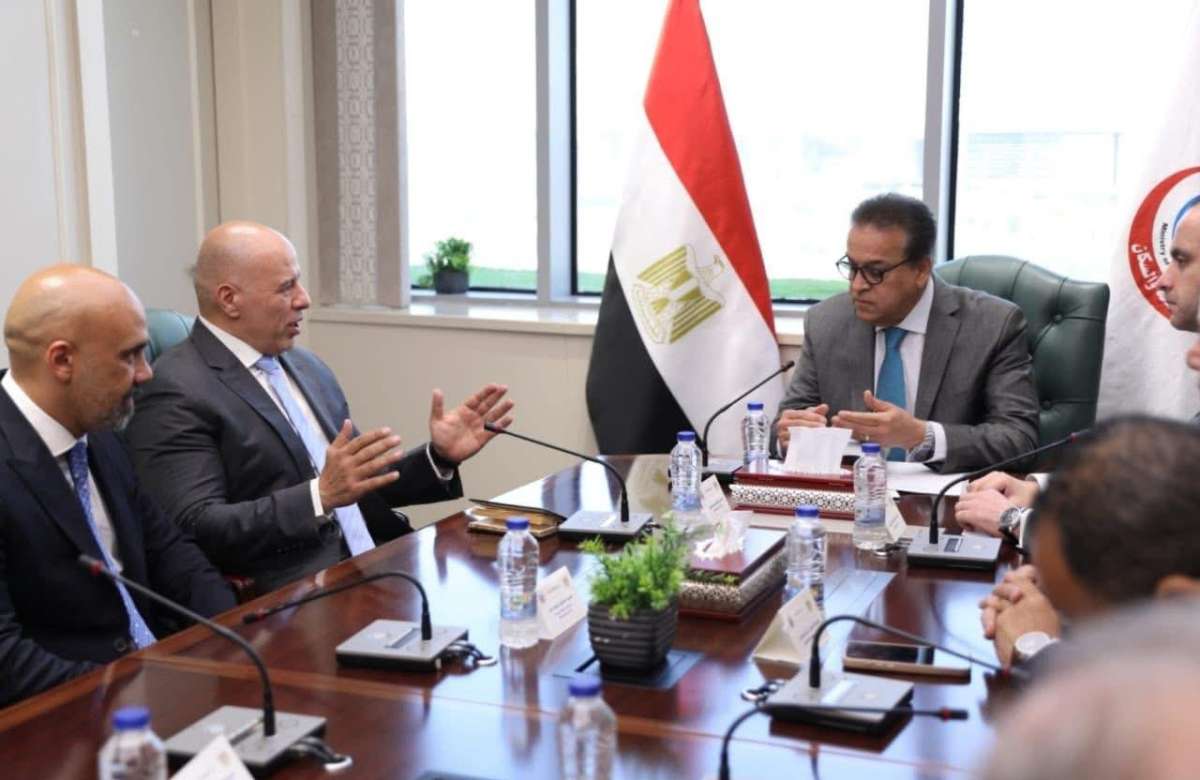
In a series of high-level meetings with Egyptian ambassadors appointed to head diplomatic missions abroad, Egypt’s leadership reaffirmed its position regarding the GERD and broader transboundary water management in the Nile Basin.
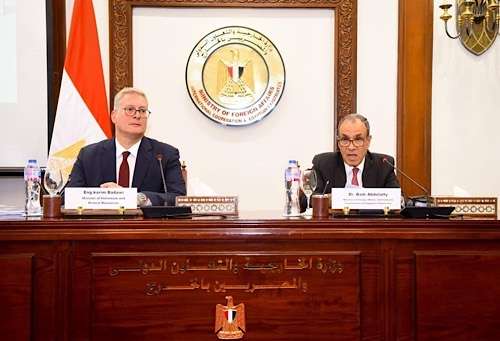
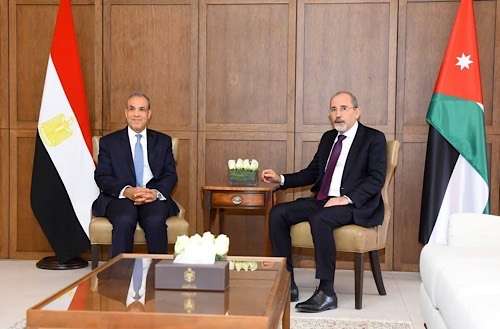
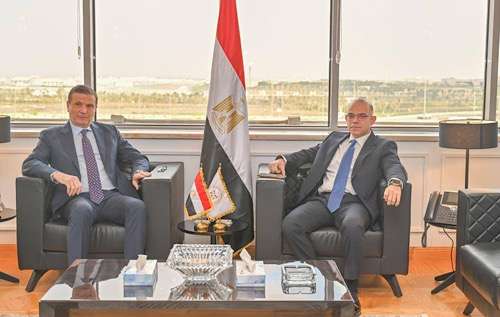
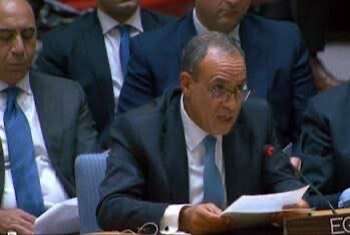
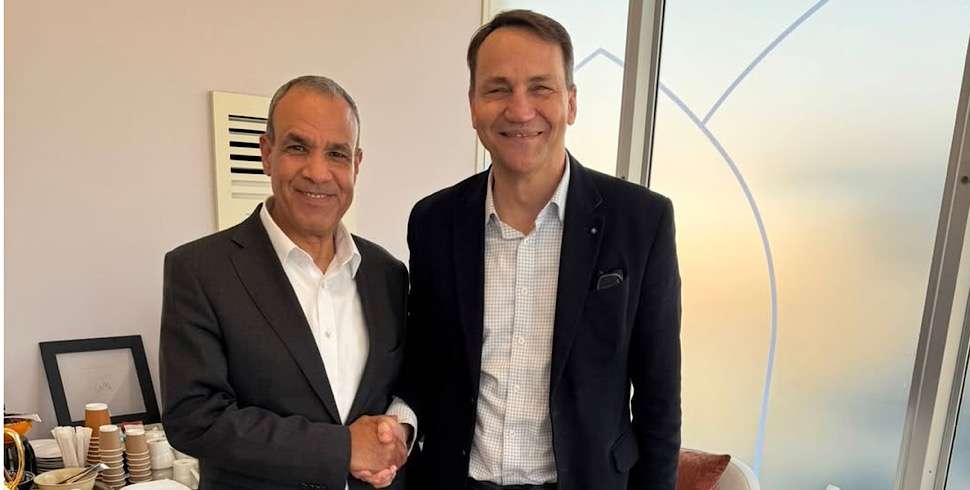
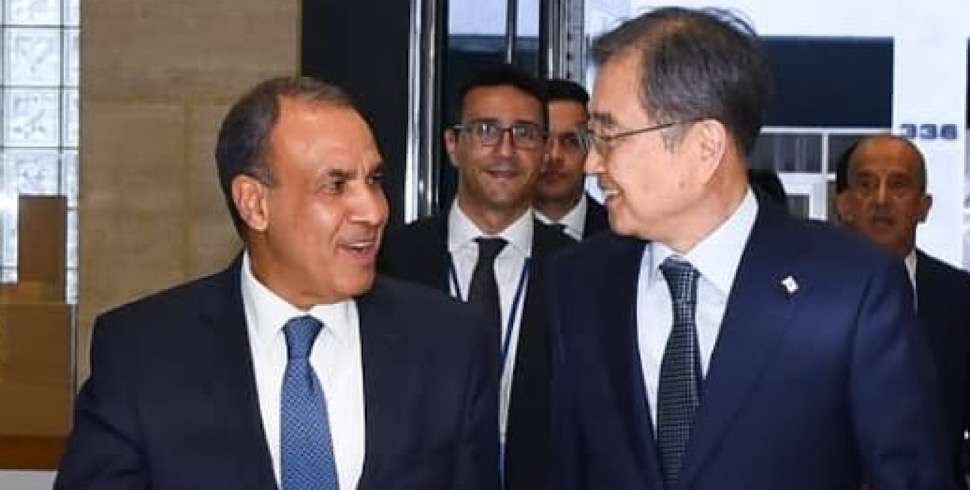
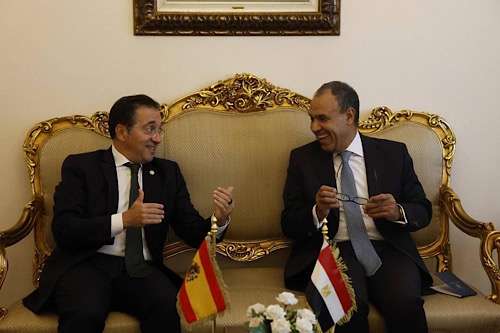
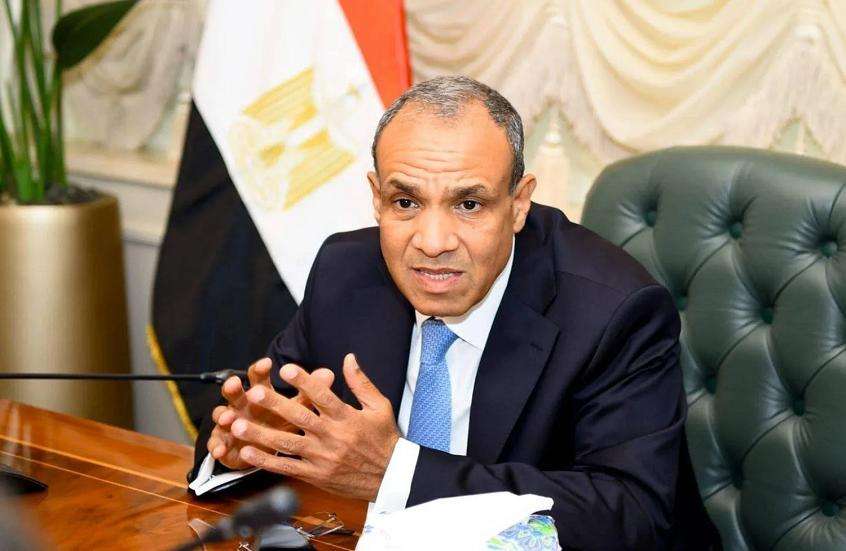
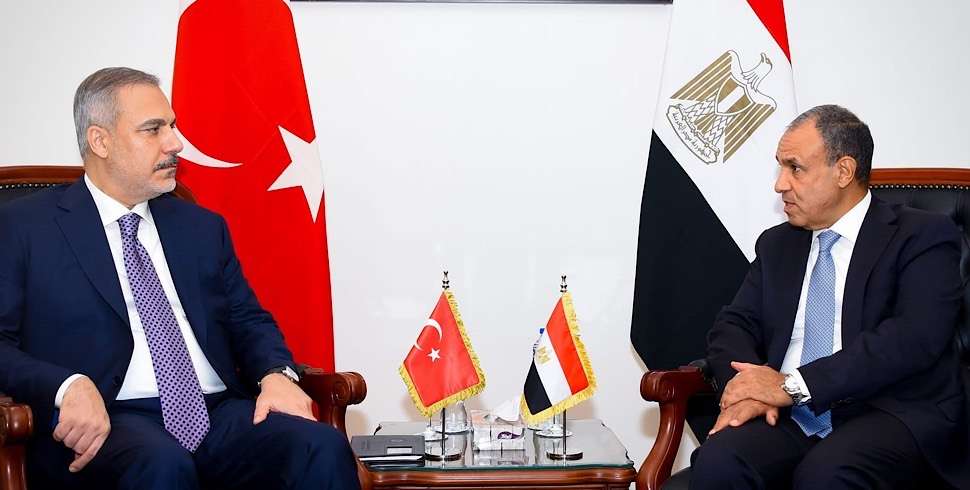
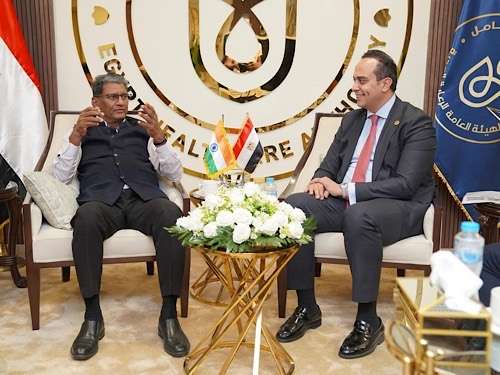
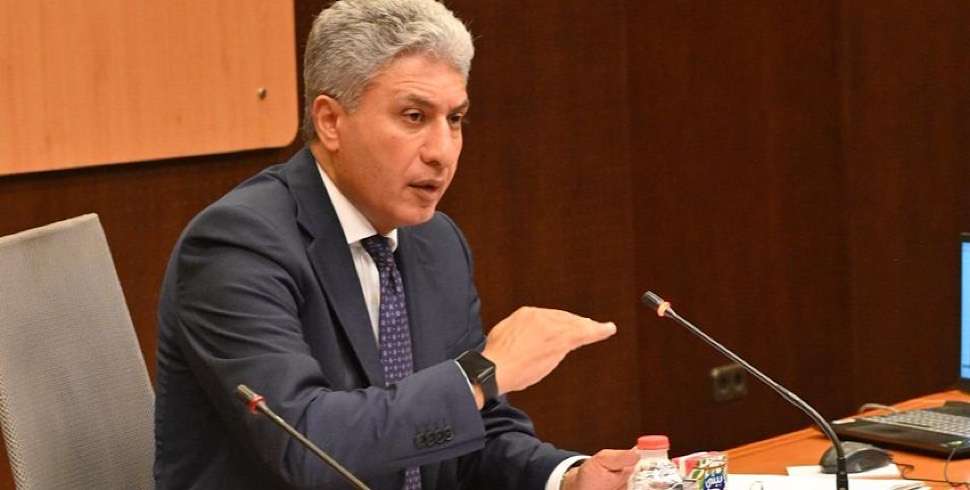
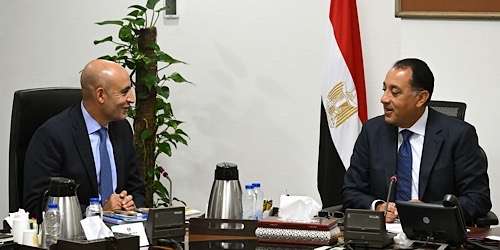
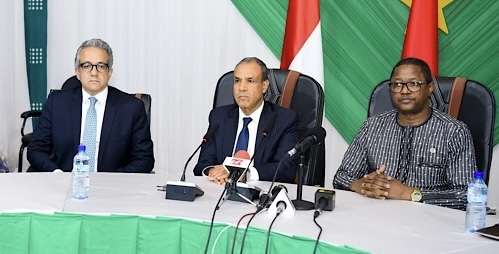
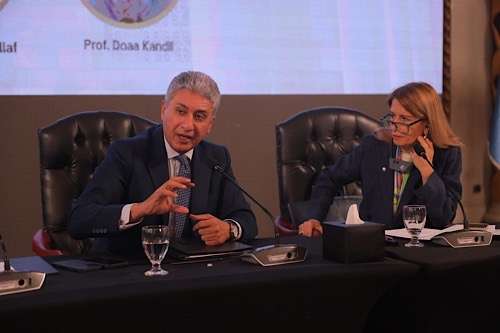
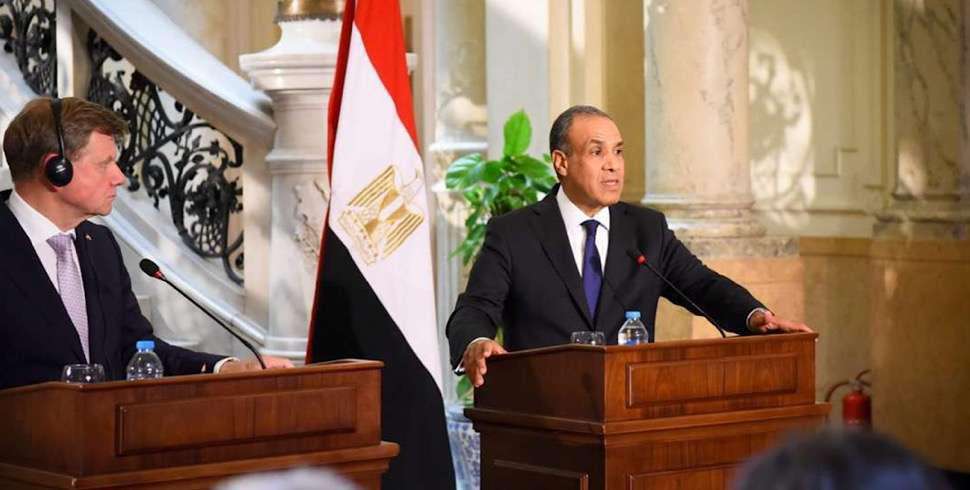
Egypt’s Minister of Water Resources and Irrigation, Dr. Hani Sewilam, alongside Foreign Minister Dr. Badr Abdel Aty, warned that Ethiopia’s continued unilateral actions threaten the interests and water security of downstream nations, namely Egypt and Sudan.
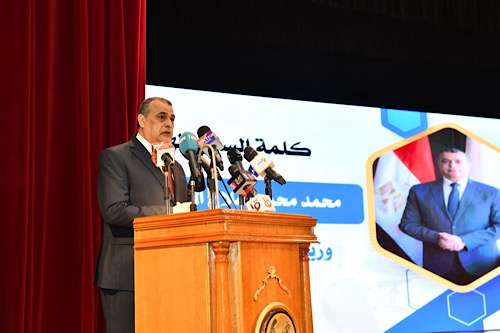
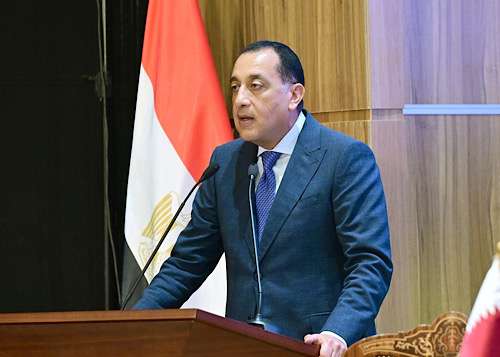
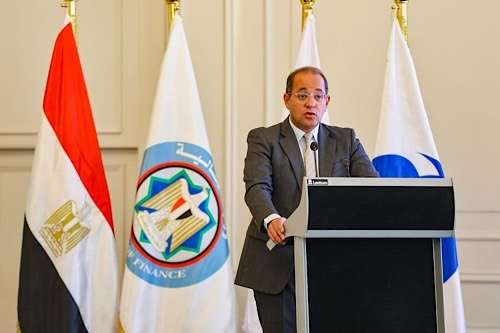
Dr. Sewilam stated, “Ethiopia’s insistence on moving forward with the construction and operation of the GERD without a binding agreement represents a clear violation of international law and disregards the legitimate concerns of Egypt and Sudan.”
He added, “The repeated promotion of the dam’s completion, absent consensus or an adequate legal framework, undermines the principles of cooperation and equitable use of shared water resources.”
The Egyptian government has long advocated for a trilateral, legally binding agreement to regulate the filling and operation of the dam, aiming to ensure mutual benefits and prevent harm to any Nile Basin country. Despite over thirteen years of negotiations, Egyptian officials allege that Ethiopia has shown little political will to genuinely resolve outstanding issues.
Egypt views water security as an integral part of its national security, citing its limited annual allocation of Nile water—just 55.5 billion cubic meters—against the needs of its large population and arid climate. Dr. Sewilam outlined comprehensive state strategies to close the water gap, including large-scale water treatment, improved irrigation systems, and robust climate adaptation initiatives.
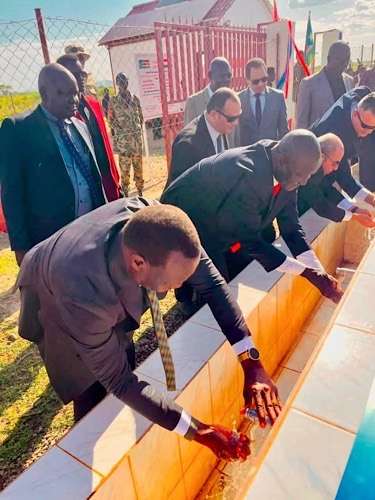
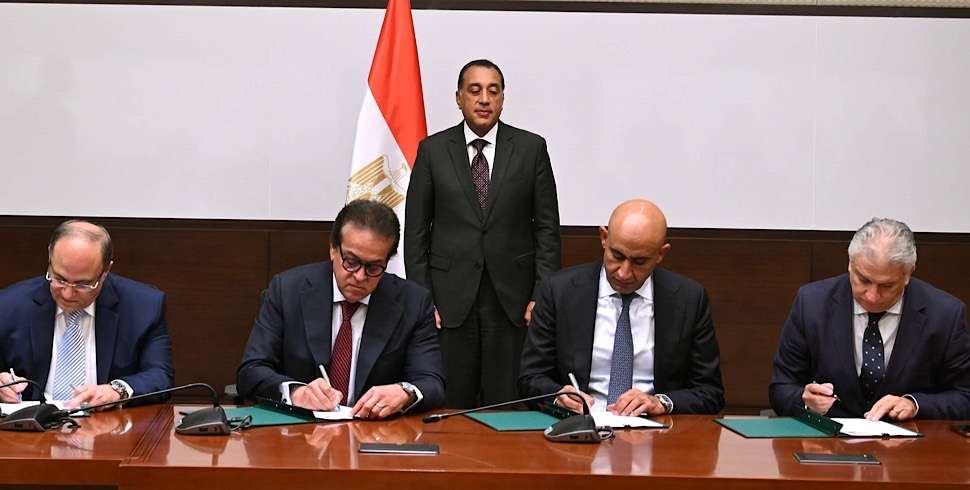
Despite the ongoing conflict, Egypt continues to emphasize its commitment to cooperation and solidarity with African nations, particularly fellow Nile Basin states. Egypt has introduced new funding mechanisms and technical assistance for infrastructure and water management in southern Nile countries, further demonstrating its willingness to share expertise and advance mutual development.
However, Cairo remains resolute in rejecting any approach that would allow development in upstream countries to come at the expense of the rights and security of downstream nations.
“Egypt will not accept—or allow—an approach that imposes ‘hydro-hegemony’ rather than fostering partnership and cooperation,” Dr. Sewilam affirmed.
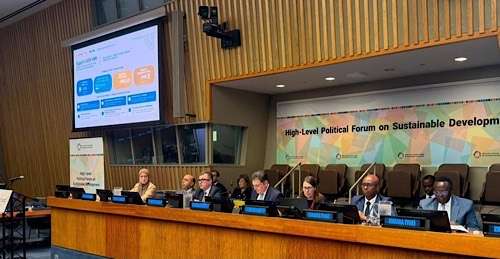
Egypt also highlighted its active role in raising water issues on the global climate agenda, such as through its Africa-led AWARe Initiative, designed to help developing countries adapt to water scarcity and climate change.
As international mediation and diplomatic pressure continue, Egypt called upon the global community to recognize the gravity of the current situation and support efforts for a fair, legal, and sustainable outcome—one that truly reflects the shared interests and future of all Nile Basin peoples.